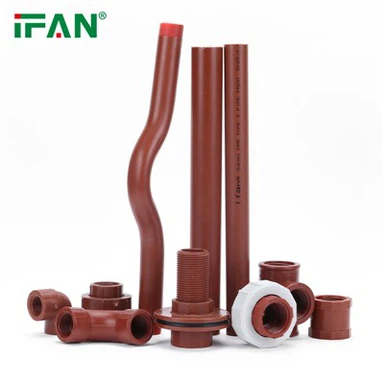

Are there size limitations for PPR fittings?
Dec 07, 2023
As a representative of IFAN, a manufacturer specializing in PPR fittings, I can provide detailed insights into the size limitations of PPR fittings. Polypropylene Random Copolymer (PPR) fittings are widely used in various piping applications due to their reliability, durability, and versatility. Understanding the size limitations of these fittings is crucial for proper application in plumbing, heating, and cooling systems.
Range of Sizes Available: PPR fittings are produced in a wide range of sizes to accommodate different piping needs. The size of PPR fittings typically ranges from small diameters, such as 20mm, to larger sizes, up to 110mm or more. This range ensures that they can be used in both residential and commercial applications.
Standardization and Compatibility: The sizes of PPR fittings are standardized to ensure compatibility with PPR pipes. This standardization is crucial for ensuring leak-proof and reliable connections in plumbing systems.
Impact of Size on Application: The size of the PPR fitting directly impacts its application. Smaller sizes are generally used in residential and light commercial settings, while larger fittings are reserved for industrial applications where higher flow rates are required.
Customization and Special Requirements: While there is a standard range of sizes, manufacturers like IFAN can produce customized fittings to meet specific requirements. This flexibility is important for projects with unique specifications or constraints.
Pressure Ratings and Size Correlation: The size of PPR fittings often correlates with their pressure rating. Larger fittings may have different pressure ratings compared to smaller ones, which is an important consideration in system design.
Installation Considerations: The size of the fittings affects the installation process. Larger fittings may require special tools and handling considerations due to their weight and size.
Thermal Expansion and Contraction: The size of PPR fittings can influence how they respond to thermal expansion and contraction. Larger fittings may have different expansion coefficients and may require specific installation techniques to accommodate these changes.
Transportation and Handling: The size of PPR fittings also affects transportation and handling. Larger sizes may pose logistical challenges and might require special transportation and handling methods.
Cost Implications: Generally, larger PPR fittings are more expensive due to the increased material and manufacturing costs. This cost factor is an important consideration in the planning and budgeting of a project.
Regulatory and Compliance Issues: Depending on the region, there may be regulatory limitations on the sizes of PPR fittings that can be used in certain types of construction. It is essential to be aware of and comply with these regulations.
In summary, while there is a broad range of sizes available for PPR fittings, understanding the specific needs of a project, the implications of different sizes, and the related installation and regulatory considerations is crucial. IFAN, as a manufacturer, provides a diverse range of sizes and can also accommodate custom requirements to meet the unique needs of various applications.