

Brass Press Fitting Cleaning and Disinfection Recommendations
Mar 19, 2025
Introduction
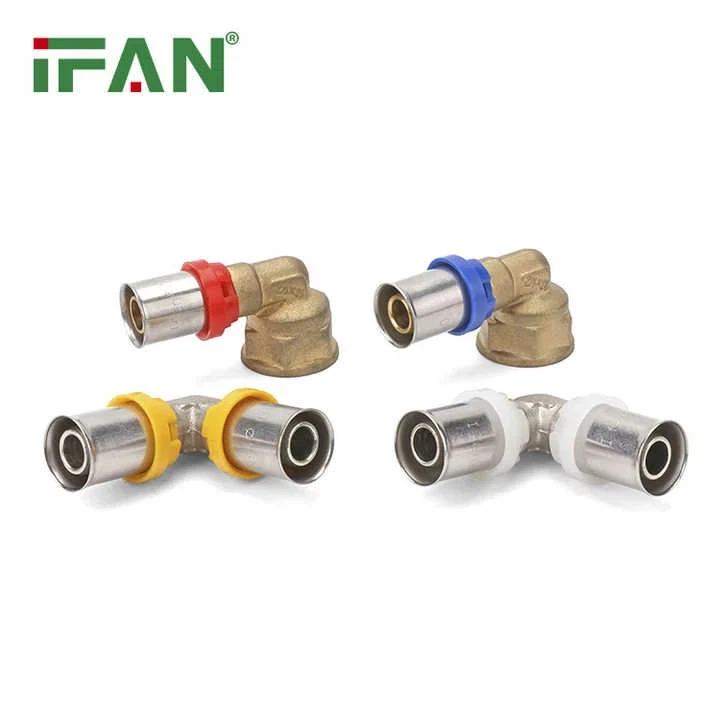
Brass press fittings are commonly used in various industries for connecting pipes and tubing due to their durability, corrosion resistance, and ability to withstand high pressures. However, to ensure the continued performance and safety of these fittings, regular cleaning and disinfection are essential. This article will provide comprehensive recommendations for cleaning and disinfecting brass press fittings, ensuring they remain in optimal condition.
Importance of Regular Cleaning and Disinfection
Sub-heading: Why It's Crucial
Regular cleaning and disinfection of brass press fittings are crucial for several reasons. Firstly, they help prevent the build-up of dirt, grease, and other contaminants that can lead to corrosion and reduced performance. Secondly, by removing harmful microorganisms, such as bacteria and fungi, regular disinfection ensures the safety of the fluid being transported, particularly in applications involving potable water or food processing. Additionally, maintaining clean fittings extends their lifespan and reduces the need for frequent replacements, which can be costly and disruptive to operations.

Preparation for Cleaning and Disinfection
Sub-heading: Safety and Material Compatibility
Before beginning the cleaning and disinfection process, it's essential to take necessary safety precautions. This includes wearing protective gloves, goggles, and a mask to avoid exposure to harsh chemicals. Additionally, it's crucial to check the compatibility of cleaning and disinfecting agents with brass. Some chemicals can react with brass, causing corrosion or discoloration. Therefore, it's advisable to consult the manufacturer's recommendations or conduct a patch test on a small, inconspicuous area before proceeding.
Cleaning Brass Press Fittings
Sub-heading: Steps for Effective Cleaning
Cleaning brass press fittings involves several steps. Start by removing any visible debris, such as dust or dirt, using a soft cloth or brush. Avoid using abrasive materials or tools that could scratch the surface. Next, use a mild, pH-balanced cleaner diluted with water. Apply the cleaner with a cloth or sponge, gently scrubbing the fitting until it's clean. Rinse thoroughly with clean water to remove any residue. For stubborn stains or deposits, consider using a specialized brass cleaner, but always follow the manufacturer's instructions to avoid damaging the fitting.
Disinfection of Brass Press Fittings
Sub-heading: Ensuring Microbial Control
Once the brass press fitting is clean, it's time to disinfect it. For general-purpose disinfection, a solution of bleach and water (usually a 1:10 ratio) can be effective against a wide range of microorganisms. However, ensure the solution is well-ventilated as bleach can produce harmful fumes. Alternatively, use a commercial disinfectant specifically formulated for use on metals. Apply the disinfectant using a cloth or sponge, ensuring thorough coverage of all surfaces. Allow the disinfectant to dwell on the fitting for the recommended contact time, typically 5-10 minutes, before rinsing thoroughly with clean water.
Post-Cleaning and Maintenance Tips
Sub-heading: Keeping Brass Fittings in Tip-Top Shape
After cleaning and disinfection, dry the brass press fitting thoroughly to prevent water spots and corrosion. Use a clean, soft cloth or air compressor to remove any remaining moisture. To maintain the shine and protect the brass from tarnishing, apply a thin coat of wax or polish designed for brass. This will also make future cleanings easier. Regularly inspect the fitting for signs of wear, corrosion, or leaks. Address any issues promptly to prevent them from escalating into more significant problems.
Conclusion
Regular cleaning and disinfection of brass press fittings are vital for maintaining their performance, safety, and longevity. By following the recommendations outlined in this article, you can ensure your brass press fittings remain in optimal condition, reducing the risk of contamination and extending their useful life. Always prioritize safety, check for material compatibility, and thoroughly clean and disinfect your fittings to keep your systems running smoothly and efficiently.


