

Choosing the Right PPR Fittings for Your Pressure Rating Needs
Jun 28, 2025
Understanding Pressure Ratings in PPR Systems
PPR fittings are classified by pressure ratings such as PN10, PN16, and PN20. "PN" stands for "Pressure Nominal" and indicates the maximum continuous operating pressure (in bars) at 20°C. For example, a PN16 fitting can safely operate at 16 bar pressure under standard temperature conditions. These ratings are essential for ensuring system safety and longevity. However, pressure capacity decreases as the operating temperature increases. Understanding the relationship between pressure and temperature is the first step in selecting the right fitting for your application.
Common Pressure Classes: PN10, PN16, and PN20
The most commonly available pressure classes for PPR fittings are PN10, PN16, and PN20:
PN10: Suitable for low-pressure cold water systems or non-pressurized applications.
PN16: Ideal for medium-pressure systems, both hot and cold water.
PN20: Designed for high-pressure and high-temperature applications like central heating and industrial fluid transport.
Each pressure class is manufactured with a different wall thickness to handle varying mechanical stress. Selecting the correct class ensures that the system maintains structural integrity during operation.
Matching Pressure Rating with Temperature Conditions
The pressure a PPR fitting can withstand decreases as temperature increases. For instance, a PN20 fitting rated at 20 bar at 20°C may only be safe at around 8–10 bar at 70°C. Manufacturers usually provide derating tables showing how allowable pressure reduces with temperature. It is essential to consider the highest expected water temperature in the system-especially for hot water or heating applications-and use the derating chart to choose a fitting that remains within the safe working pressure limits.
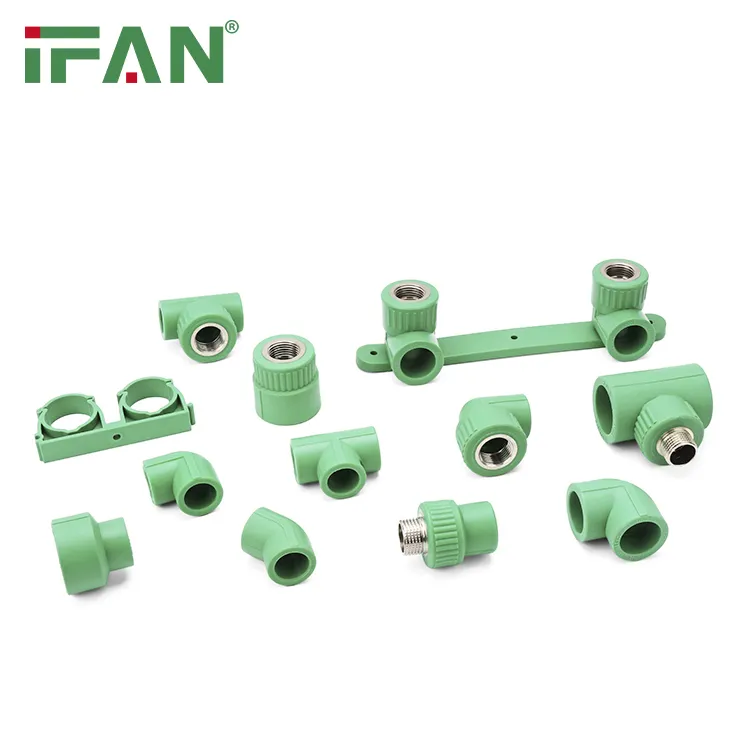
Application Type Determines Pressure Requirements
Different applications have unique demands. For example:
Residential cold water systems often require PN10 or PN16 fittings.
Hot water supply or central heating systems typically require PN20 fittings due to higher thermal and mechanical stress.
Commercial buildings with multiple stories or booster systems may also demand higher pressure ratings.
Industrial applications involving high temperatures or corrosive fluids may call for PN20 or even special-grade reinforced PPR.
Choosing fittings without considering the nature of the application may lead to underperformance or early system failure.
Importance of Pipe and Fitting Compatibility
Selecting a fitting with a higher pressure rating is not enough if the pipe connected to it is of a lower class. Always ensure that the pipe and fitting share the same pressure class and wall thickness category. Mismatched components can lead to uneven expansion, poor joint performance, or rupture. For example, pairing a PN20 fitting with a PN10 pipe could compromise the system under pressure, even if the fitting itself is capable of handling more stress.
Impact of Altitude and External Pressure
In high-rise buildings or installations at elevated altitudes, water pressure increases due to gravitational force. Similarly, external factors such as pump pressure or system height can affect the actual working pressure in the network. When designing piping layouts for such conditions, it is necessary to calculate the maximum static and dynamic pressure and select fittings accordingly. In many cases, PN16 may suffice for middle floors, while PN20 is necessary for upper levels or systems with strong pump support.
Considering System Lifespan and Safety Margins
When choosing PPR fittings, it's wise to incorporate a safety margin into your pressure rating selection. Instead of selecting fittings that match the system's maximum pressure exactly, choose a rating slightly above it to allow for fluctuations, surges, or unexpected system behavior. Over the expected lifespan of the installation-often long-term durability according to standards or more-this added margin can prevent stress-related failures, reduce maintenance needs, and enhance long-term performance. This is especially important in systems subject to frequent temperature or pressure changes.
Manufacturer Guidelines and Certification Standards
Reputable manufacturers provide detailed technical data sheets, pressure-temperature curves, and certification compliance information (e.g., ISO 15874, DIN 8077/8078). Always refer to this documentation before selecting fittings. Pressure rating alone is not sufficient-look for products tested under international standards for thermal aging, hydrostatic pressure, and fusion strength. Certified PPR fittings ensure consistent quality, traceability, and performance, especially in high-stakes or regulated environments like healthcare, laboratories, and public infrastructure.
Installation Practices Affect Pressure Performance
Even correctly rated fittings can fail if installation procedures are not followed properly. Poor fusion welding, misalignment, or excessive stress on joints can compromise pressure resistance. For example, heating time that's too short during thermal fusion may cause incomplete bonding, reducing joint strength. Ensure all joints are made with properly calibrated fusion tools, and follow manufacturer guidelines for heating and cooling times. Additionally, support pipes adequately to prevent sagging or pressure points that may strain fittings under load.

Real-World Examples of Pressure Rating Selection
Residential Homes: A single-family home with standard cold and hot water supply might use PN16 fittings for cold water and PN20 for hot water zones.
Apartment Complexes: For buildings over five stories, higher pressure zones or pump-assisted systems may require PN20 fittings throughout.
Industrial Boilers: In manufacturing plants or commercial heating systems with water temperatures above 70°C, PN20 fittings are standard, often combined with insulation for thermal retention.
These examples demonstrate how practical site conditions guide fitting selection based on pressure and temperature dynamics.
Upgrading or Retrofitting Existing Systems
When replacing parts in an older PPR system, always check the original pressure class before choosing replacements. Upgrading to a higher class (e.g., from PN10 to PN16) is generally safe but must be matched by the connected pipe and system design. Avoid mixing fittings of different pressure classes unless explicitly allowed by the system designer. During retrofitting, consider current usage patterns, water pressure changes, and modern appliances that might increase system demands.
Conclusion
Choosing the right PPR fittings based on pressure rating is fundamental to system reliability, safety, and performance. By understanding how temperature, application, compatibility, and environmental conditions affect pressure requirements, you can make informed decisions that extend system life and prevent costly failures. Always match fittings to the full system-pipes, usage patterns, and pressure loads-and rely on certified products from trusted manufacturers. With careful planning and adherence to best practices, PPR fittings can deliver decades of dependable service in a wide variety of settings.
Click here to watch more videos


