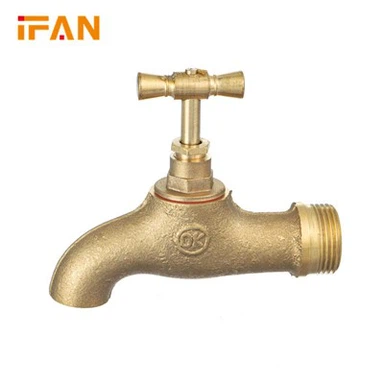

Frost-Proof Design of Brass Crimp Fittings for Outdoor Gas Pipelines
May 12, 2025
Introduction to Outdoor Gas Pipeline Challenges
Outdoor gas pipelines are exposed to harsh environmental conditions, including freezing temperatures, moisture, and thermal cycling. Brass crimp fittings, commonly used for their durability and corrosion resistance, must be specially designed to prevent frost-related failures. This article explores key frost-proof design strategies to ensure reliable performance in cold climates.
Risks of Freezing in Gas Pipeline Fittings
When temperatures drop below freezing, several issues can arise in brass crimp fittings:
Ice formation: Condensation inside fittings can freeze, leading to blockages or pressure buildup.
Material embrittlement: Brass may become brittle at low temperatures, increasing fracture risk.
Seal degradation: Elastomeric seals (O-rings, gaskets) lose flexibility, causing leaks.
Thermal contraction: Differential expansion between brass and connected pipes can loosen joints.
Material Selection for Low-Temperature Performance
Optimal brass alloys for frost-resistant fittings include:
Leaded brass (C36000): Improved machinability and cold resistance.
Silicon brass (C87850): Enhanced strength and corrosion resistance in freezing conditions.
Nickel-plated brass: Provides additional protection against moisture-induced corrosion.
Material testing (e.g., ASTM B36) ensures suitability for subzero environments.

Thermal Insulation and Heat Tracing Solutions
Passive and active frost-proofing methods include:
Foam insulation sleeves: Minimize heat loss and prevent ice accumulation (ASTM C335).
Electric heat tracing cables: Maintain temperature above freezing (IEEE 515 standards).
Steam or glycol jacketing: Used in extreme climates for continuous thermal regulation.
Proper insulation thickness is calculated based on regional climate data (ASHRAE guidelines).
Design Modifications to Prevent Ice Blockage
Key engineering adaptations:
Drainage vents: Allow condensation to escape before freezing.
Sloped fittings: Ensure gravity-assisted water runoff.
Internal coatings: Hydrophobic surfaces (e.g., PTFE) repel moisture.
Expansion chambers: Accommodate ice formation without pressure spikes.
Seal and Gasket Optimization for Cold Weather
Frost-resistant sealing solutions:
EPDM or FKM rubber: Retains elasticity at -40°C (ISO 2230 compliance).
Metal-to-metal seals: Eliminate polymer reliance in critical joints.
Compression limiter rings: Prevent over-tightening damage during thermal cycling.

Testing and Certification Standards
Industry validation protocols:
Thermal cycling tests (ISO 22407): Simulates seasonal temperature fluctuations.
Cold burst pressure tests (EN 1254): Verifies integrity at -30°C.
Salt spray testing (ASTM B117): Evaluates corrosion resistance in de-icing salt environments.
Case Studies and Future Innovations
Alaskan pipeline networks: Use heated brass fittings with redundant insulation.
Emerging technologies: Phase-change materials (PCMs) for passive thermal regulation.
Smart fittings: IoT-enabled sensors to monitor real-time temperature and seal integrity.
Conclusion
Frost-proof brass crimp fittings require a holistic approach combining material science, thermal management, and mechanical design. By adhering to international standards and leveraging advanced technologies, engineers can ensure reliable gas distribution in even the coldest environments. Future trends point toward self-regulating systems and predictive maintenance through embedded sensors.
Click here to watch more videos