
HDPE Electrofusion Fitting Simplifies Complex Pipeline Layouts
Oct 27, 2026

| Product Name | HDPE Electrofusion Fitting |
| Size | 50-630mm |
| Color | Black Color Or Customized |
| Connection | Electrofusion |
| MOQ | 100PCS |
| Sample | Sample Free |
| Contact |
Managing the Challenges of Modern Pipeline Design
Pipeline systems rarely follow a simple straight route from one point to another. In industrial facilities, municipal utility networks, commercial buildings, and water treatment plants, pipes must pass around structural columns, connect to existing equipment, cross different elevations, and branch toward multiple destinations. These requirements create layouts that demand careful coordination between engineering design and on-site installation.
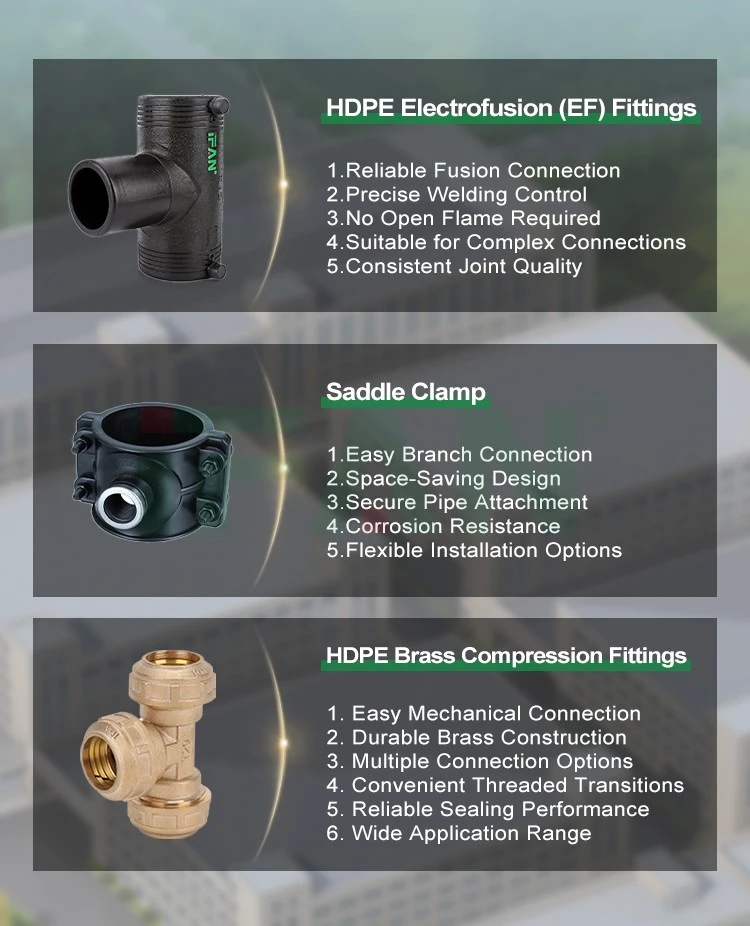
High-density polyethylene (HDPE) electrofusion fittings provide a practical joining solution for compatible polyethylene piping systems. By using electrically generated heat to fuse the fitting and pipe surfaces, this technology allows engineers to construct connections at selected points throughout a network. Different fitting configurations can accommodate directional changes, branch lines, diameter transitions, and pipe extensions.
The value of electrofusion becomes particularly apparent when a pipeline contains numerous connection points or must fit within a restricted installation area. Instead of treating every change in direction or branch as a separate design challenge, engineers can select fittings that correspond to the intended route. Successful implementation still requires accurate measurements, hydraulic calculations, and compliance with the manufacturer's installation procedures.
Creating Flexible Routes With Specialized Fittings
A complex pipeline layout may contain several types of connections, each serving a specific purpose. HDPE electrofusion fittings are available in configurations that help engineers organize these connections without introducing unnecessary complexity into the pipe arrangement.
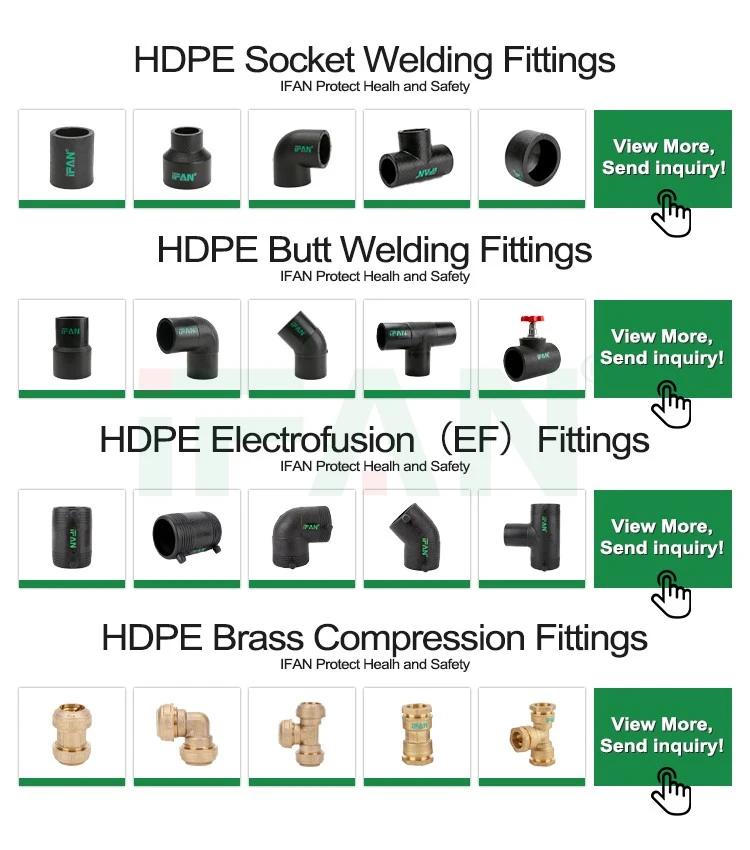
Couplers connect compatible pipe ends, while elbows allow the pipeline to change direction at a defined angle. Tees create branch connections, and reducers accommodate approved transitions between different pipe diameters. Other specialized fittings may be used where the system requires particular connection arrangements.
Consider an industrial water network that must supply three production areas from one main pipeline. A series of appropriately positioned tees can distribute the flow toward each area, while elbows guide the pipes around equipment foundations. Reducers can connect different pipe sizes where supported by the hydraulic design.
This approach allows the layout to follow the physical arrangement of the facility. However, fitting selection should be based on actual dimensions, pressure requirements, and flow conditions rather than convenience alone. Each component must be compatible with the pipe and suitable for the intended operating environment.
Connecting Multiple Branches in One Network
Distribution networks often need to supply several users or pieces of equipment from a common source. Examples include municipal water systems, agricultural irrigation networks, manufacturing plants, and wastewater treatment facilities. The number and location of branches influence both the pipeline geometry and the method used to control water distribution.
HDPE electrofusion tees can create branch points within compatible polyethylene networks. Their placement can be coordinated with the positions of valves, meters, pumps, and downstream equipment. This helps designers establish an organized structure in which each branch serves a defined operational purpose.
Branch layout must also account for hydraulic performance. When several outlets operate simultaneously, the available flow and pressure may change throughout the network. Pipe diameter, branch length, fitting geometry, and operating demand should therefore be evaluated during the design stage.
Engineers should also consider whether individual sections need to be isolated for maintenance. Appropriate valve locations can allow work on one branch without unnecessarily interrupting the entire system. Electrofusion fittings help establish the physical connections, while the overall network design determines how effectively the branches function together.
Navigating Restricted and Irregular Installation Areas
Existing infrastructure often limits the space available for new pipeline installations. Pipes may need to pass through narrow service corridors, around machinery, beneath roadways, or alongside other utilities. In renovation projects, the available route may be determined by structures that cannot easily be moved.
Electrofusion fittings provide options for creating controlled directional changes and branch connections in these settings. A suitable elbow may help a pipeline follow a wall or avoid a structural obstruction, while a compact branch arrangement can connect additional equipment without requiring a completely separate route.
Before installation, contractors should compare the proposed layout with actual site measurements. The fitting's overall dimensions, pipe insertion depth, and space required for preparation tools and fusion equipment must all be included in the plan.
Restricted access should never be treated as a reason to omit essential installation steps. Workers need enough room to prepare the pipe surface, align the components, connect the fusion equipment, and secure the assembly during cooling. Where necessary, the installation sequence should be adjusted to ensure that every joint can be completed correctly.
Simplifying Connections During Pipeline Expansion
Industrial facilities and public utility networks frequently change as operational requirements develop. A new production line may require additional water supply, a residential development may need an extended distribution network, or an existing facility may introduce new treatment equipment.
HDPE electrofusion fittings can support approved extensions by connecting compatible pipe sections and creating new branches. A coupler may be used to join an extension to a prepared pipe end, while a tee can provide a connection for an additional distribution line. The suitability of the existing pipe must be confirmed before any modification begins.
Expansion planning should include the capacity of the existing network. Adding a branch changes the flow requirements and may affect pressure at other points. Engineers should verify whether the current pipe diameter, pumping capacity, and control equipment can accommodate the proposed change.
The condition of the existing pipe also matters. Damaged, deformed, contaminated, or incompatible materials may not be suitable for electrofusion. A proper assessment helps determine whether the proposed connection can be completed as designed or whether a different modification method is required.
Improving Coordination Between Design and Installation Teams
Complex pipeline projects often involve engineers, contractors, equipment suppliers, and inspection personnel. Miscommunication between these groups can result in incorrect fitting orders, misplaced branches, and installation delays.
Detailed drawings should identify pipe routes, fitting types, dimensions, connection points, and relevant operating requirements. Where several pipe diameters or pressure classes are used, these specifications should be clearly distinguished to prevent incorrect component selection.
Before construction, the installation team should review the drawings against site conditions. Unexpected obstructions or differences in measured dimensions should be resolved through the appropriate design process rather than addressed through improvised pipe arrangements.
Organizing fittings by installation section can also help crews work systematically. Each component should be checked against the project specification before use, and installation records should identify the relevant connection locations. Clear documentation makes it easier to verify completed work and coordinate future modifications.
Maintaining Joint Quality Throughout Complex Installations
A complicated layout may involve numerous joints, increasing the importance of consistent installation practices. Even when the overall design is correct, an individual connection can be compromised by poor preparation, incorrect alignment, or movement during fusion.
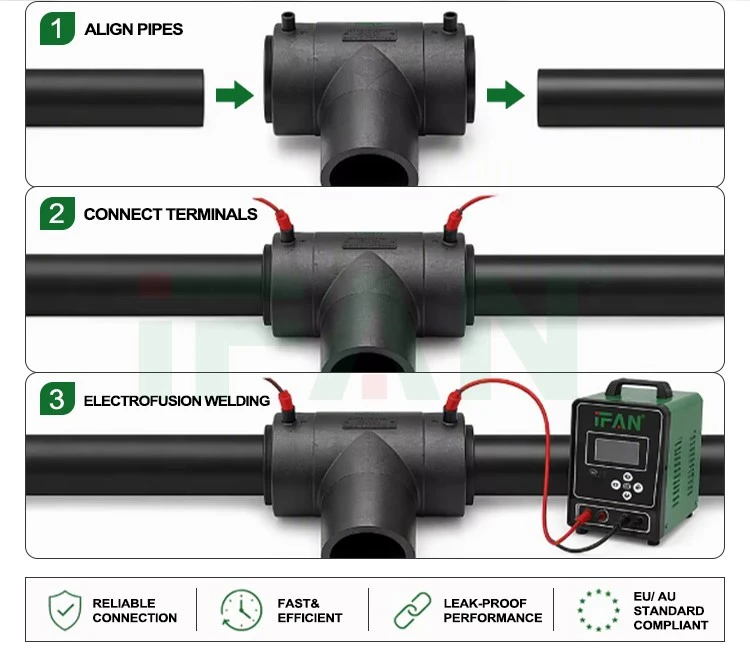
Installers must prepare the specified pipe surface, confirm insertion depth, and keep the fusion area free from contamination. The control unit must use the required parameters for the selected fitting, and the assembly must remain undisturbed throughout the specified cooling period.
After installation, the completed pipeline should undergo the inspections and testing required by the applicable standards and project specifications. Records of fitting identification, fusion procedures, and inspection results help establish traceability across the network.
Quality control should be incorporated into every stage of construction rather than postponed until the entire system has been assembled. This is especially important where connections will become difficult to access after the pipeline is enclosed or buried.