
Protect Water Quality With HDPE Electrofusion Fitting
Oct 27, 2026

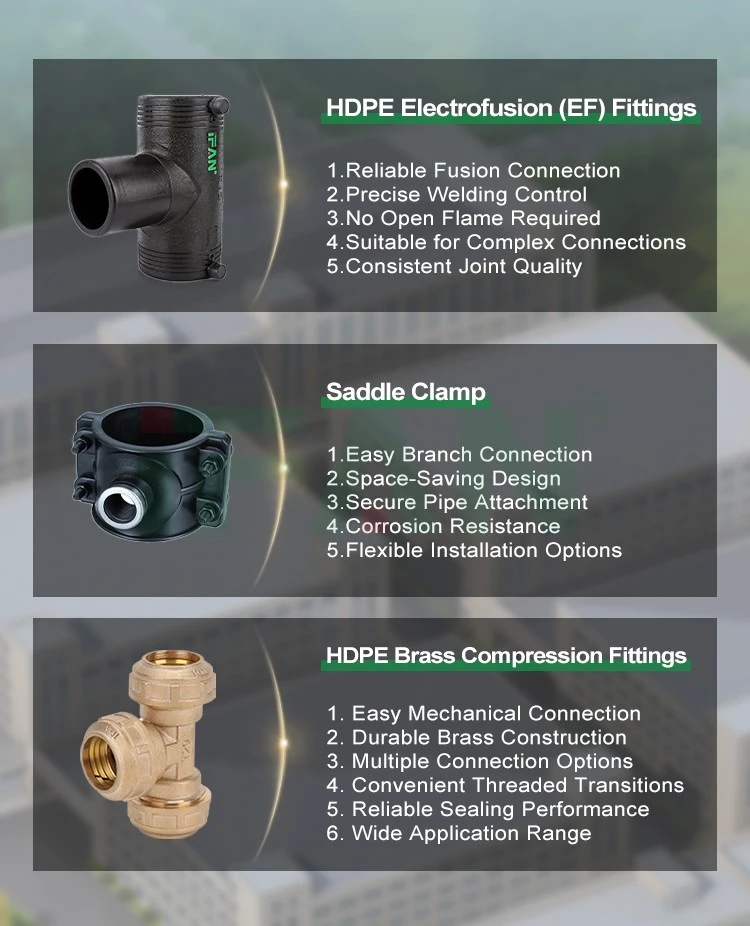
| Product Name | HDPE Electrofusion Fitting |
| Size | 50-630mm |
| Color | Black Color Or Customized |
| Connection | Electrofusion |
| MOQ | 100PCS |
| Sample | Sample Free |
| Contact |
The Importance of Clean Connections in Water Supply Networks
Maintaining water quality requires attention to every component involved in water collection, treatment, storage, and distribution. Although filtration and disinfection receive considerable attention, the materials used in pipelines and the methods used to connect them also influence the condition of the water reaching its destination. An unsuitable fitting, contaminated joining surface, or poorly controlled installation process can introduce unwanted substances or create conditions that compromise the integrity of a water supply system.
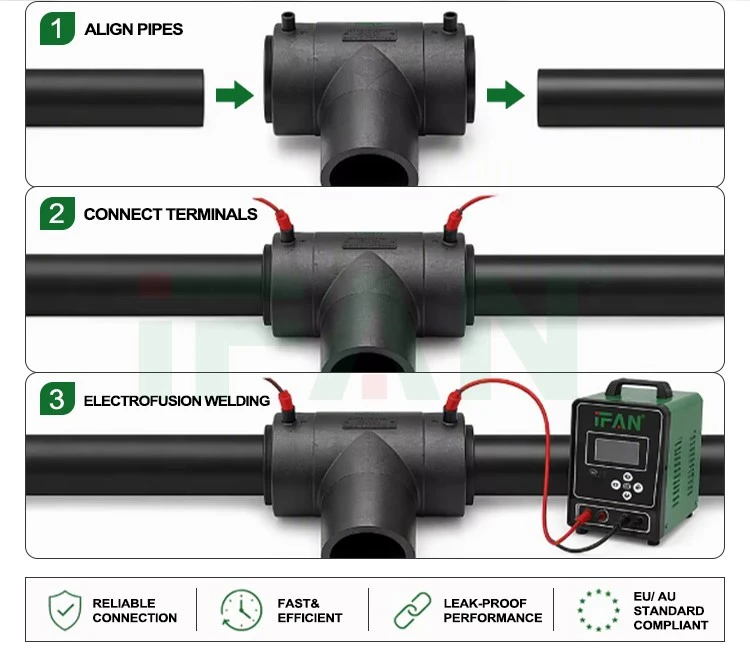
High-density polyethylene (HDPE) electrofusion fittings are used to connect compatible polyethylene pipes in various water distribution applications. These fittings use embedded electrical heating elements to fuse the fitting and pipe surfaces together. When installed according to the manufacturer's instructions, the resulting joint forms an integrated connection without requiring a conventional gasket at the fused interface.
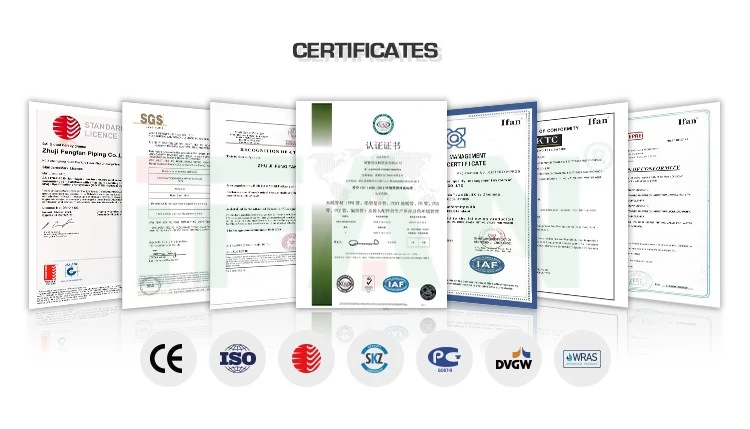
For drinking water systems, the selection of an electrofusion fitting must consider more than its dimensions and pressure rating. The product must also meet applicable potable-water requirements, and its materials must be suitable for contact with the intended water. Proper installation, hygienic handling, and appropriate commissioning procedures are equally important when the objective is to protect water quality throughout the distribution network.
Selecting Materials Suitable for Drinking Water
The first step in protecting water quality is confirming that every pipe and fitting is appropriate for its intended application. Drinking water may remain in contact with pipeline materials for extended periods, allowing certain substances to migrate from unsuitable materials into the water under particular conditions.
HDPE is widely used in water infrastructure because it does not rust like conventional carbon steel and can be manufactured for applications requiring contact with potable water. However, not every polyethylene fitting is automatically approved for drinking water. Product formulation, manufacturing controls, and applicable certification requirements must all be considered.
Before purchasing electrofusion fittings, project engineers should check the manufacturer's technical documentation and verify compliance with the relevant national or regional drinking water standards. They should also confirm that the fitting is approved for the intended operating pressure, temperature, and installation environment.
Material selection should cover the complete connection, including any transition fittings, seals, and associated components. Using one approved product within a system does not automatically establish the suitability of every other component. Clear specifications help contractors purchase compatible products and prevent unsuitable materials from entering the water distribution network.
Creating Connections Without Introducing Unwanted Substances
The joining process is an important part of water quality control. During electrofusion, an electrical control unit supplies energy to the resistance element embedded in the fitting. The resulting heat softens the prepared polyethylene surfaces, allowing the fitting and pipe to fuse together under controlled conditions.
Because the fused interface does not depend on a separate gasket between the pipe and fitting, the connection avoids the need for that type of sealing component at the joint itself. Nevertheless, the fitting's suitability for drinking water must be established through the appropriate product requirements rather than assumed from the joining method.
Clean installation practices help prevent soil, grease, dust, and other contaminants from entering the pipeline. Pipe ends should be protected during transportation and storage, while fitting packaging should remain intact until the component is ready for use. Prepared surfaces must be handled according to the manufacturer's procedure.
Workers should also prevent foreign materials from entering open pipe ends during assembly. Temporary covers can be used where appropriate to protect the interior of the pipeline between installation stages. These simple controls help keep construction debris out of the water system before commissioning.
Preventing Contamination During Installation
Water pipeline construction often takes place outdoors, where rain, mud, windblown dust, and nearby construction activities can affect cleanliness. Even when approved materials are used, careless handling can introduce contaminants that require additional cleaning or corrective work.
Before electrofusion begins, the installer must prepare the specified pipe surface using the approved scraping method. The required outer layer should be removed evenly, and the prepared area must remain clean until the fitting is assembled. Only cleaning products permitted by the manufacturer should be used.
The fitting must be positioned correctly, with the pipe inserted to the specified depth. The fusion cycle should follow the required electrical parameters, and the connection must remain undisturbed during cooling. These steps help establish a correctly formed joint and reduce the possibility of defects that could compromise pipeline integrity.
Construction teams should establish clear procedures for protecting open pipe sections at the end of each working period. Unused fittings and prepared pipe ends should not be left exposed unnecessarily. Maintaining an organized, clean work area is particularly important for municipal drinking water projects, where the pipeline may extend across several construction locations.
Reducing the Risk of External Contamination
A water distribution network must prevent contaminants from entering through damaged pipes, leaking connections, or compromised system boundaries. In certain circumstances, pressure loss can allow contaminated groundwater to enter a damaged section of a pipeline, particularly where external water pressure exceeds internal pressure.
A properly installed HDPE electrofusion joint is designed to maintain the connection between compatible pipe sections under specified operating conditions. The fused interface can help maintain the pipeline boundary when the joint is correctly prepared and tested.
However, water quality protection depends on the entire network. Pipe damage, faulty valves, cross-connections, inadequate backflow protection, and failures in storage or treatment facilities may create contamination risks unrelated to the fitting itself.
Engineers should therefore combine suitable jointing methods with pressure management, approved cross-connection controls, and routine system inspection. Buried pipelines should also be protected against excavation damage and excessive external loading. Maintaining the physical integrity of the distribution network is an essential part of protecting the water carried through it.
Supporting Hygienic Water Treatment and Distribution
HDPE electrofusion fittings can be used in compatible sections of water treatment and distribution systems, including selected connections between treatment equipment, storage facilities, and distribution pipelines. Their suitability depends on the particular product approval and the operating conditions of each application.
After construction, the pipeline must undergo the flushing, disinfection, sampling, and commissioning procedures required by the responsible water authority and applicable standards. These procedures address potential contamination introduced during manufacturing, transportation, storage, and installation.
Flushing helps remove loose debris, while disinfection is used to control microorganisms according to the approved procedure. Where required, water samples should be collected and evaluated against the relevant acceptance criteria before the system enters service.
The fitting itself cannot replace these water quality controls. Instead, it forms one part of a broader system that includes approved materials, hygienic construction practices, appropriate treatment processes, and verification before public use.
Inspection and Documentation for Water Quality Assurance
Maintaining water quality requires traceability throughout the construction process. Project records should identify the fittings used, their specifications, installation locations, and relevant fusion information. These records help quality assurance teams confirm that the specified products were installed in the correct sections of the network.
Inspection should include checks for visible damage, incorrect fitting placement, and evidence of installation problems. Pressure testing and other required verification procedures must follow the project's approved requirements. Any suspected defect should be investigated before the pipeline is placed into service.
After commissioning, operators should monitor relevant indicators such as turbidity, disinfectant residual, pressure, and microbiological results according to the system's water quality management plan. Unusual results should trigger an appropriate investigation rather than being attributed automatically to a particular fitting.