

Identifying and Preventing Issues with PPR Pipe Fittings
Feb 08, 2025
Introduction: The Crucial Role of PPR Pipe Fittings
In the realm of modern plumbing, PPR (Polypropylene Random Copolymer) pipe fittings are extensively utilized due to their numerous advantages. However, like any other plumbing component, they can encounter issues that may disrupt the efficient functioning of a water system. This article aims to provide comprehensive knowledge on identifying these potential problems and implementing preventive measures, ensuring the longevity and reliability of PPR pipe fittings.
Common Installation Problems: Spotting the Glitches
Installation errors are a frequent source of trouble. One common issue is improper fitting connections. If the pipes and fittings are not joined with the correct technique, such as insufficient heat fusion during the welding process, leaks can occur. For example, in a DIY home plumbing project, an inexperienced installer might not apply the right amount of heat for the recommended duration, leading to weak joints. Another problem is incorrect sizing. Using fittings that don't match the pipe diameter precisely can cause stress on the connection points, potentially resulting in cracks over time. It's essential to double-check the compatibility of all components before installation to avoid these pitfalls. IFAN factory 30+ years manufacture experience support color /size customization support free sample.Welcome to consult for catalog and free samples.This is our Facebook Website:www.facebook.com,Click to watch IFAN's product video.Our IFAN products from quality to price are your best choice, welcome to buy!
Temperature-Related Concerns: Coping with Extremes
PPR pipe fittings are designed to handle a wide temperature range, but exceeding their limits can spell trouble. Prolonged exposure to extremely high temperatures, beyond the recommended threshold, can cause the material to soften and deform. In a commercial building with a malfunctioning hot water thermostat, if the water temperature spikes, PPR fittings near the hot water source may start to lose their shape. On the flip side, in freezing conditions, if proper insulation isn't in place, the water inside the pipes can freeze and expand, leading to burst fittings. Monitoring and controlling the water temperature, as well as providing adequate insulation, are key preventive steps.

Chemical Compatibility: Guarding Against Corrosion
The chemical composition of the water flowing through PPR fittings matters. Although PPR is generally resistant to many substances, certain aggressive chemicals can cause corrosion or degradation. For instance, in areas with highly chlorinated water or industrial effluents in the water supply, the fittings might gradually deteriorate. To prevent this, it's advisable to test the water quality and, if necessary, install filtration systems. Additionally, using PPR fittings that are specifically formulated to withstand harsher chemical environments can enhance durability.
Aging and Wear: Signs to Watch For
Over time, even with proper installation and usage, PPR pipe fittings will experience some degree of aging and wear. One sign to look out for is a roughened inner surface, which can impede water flow and lead to scale buildup. External signs like discoloration or brittleness can also indicate that the fittings are nearing the end of their lifespan. Regular visual inspections, especially in critical plumbing areas, can help detect these issues early. Replacing worn fittings promptly can prevent more serious problems, such as leaks or complete system failures. IFAN PPR Pipe Fittings are not only compliant with the ISO 15874 series standards but also adhere to a broad range of international standards, including EN 15874, ASTM F2389, DIN 8077/8078, GB/T 18742, and NBR 15884. This extensive compatibility ensures that IFAN products meet the highest quality and performance requirements across various global markets, providing reliable solutions for diverse plumbing and piping applications.
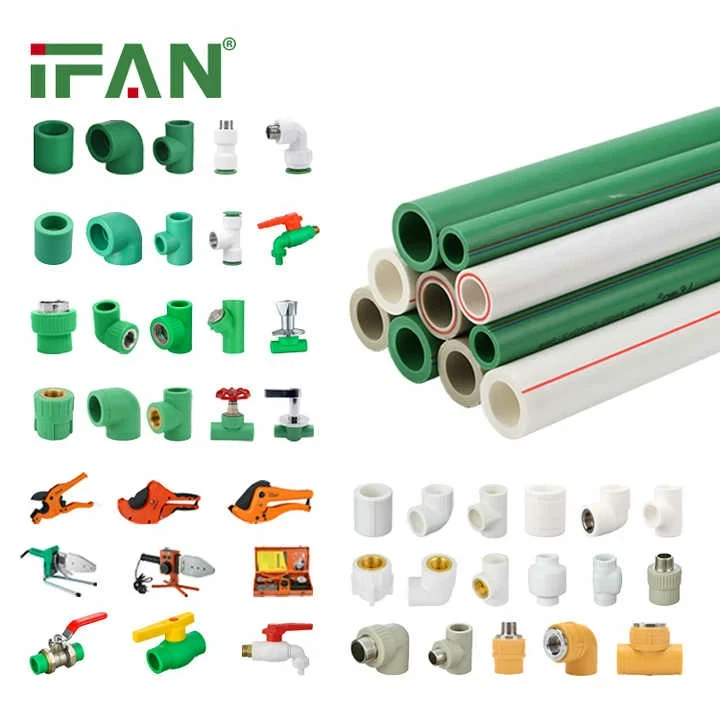
Preventive Maintenance: Prolonging Lifespan
To keep PPR pipe fittings in optimal condition, a proactive approach to maintenance is essential. This includes routine cleaning to remove any sediment or debris that could clog the fittings. Flushing the system periodically can also help maintain water flow. Additionally, checking for any loose connections or signs of damage during regular inspections and tightening or replacing parts as needed can significantly extend the life of the fittings. By investing in preventive maintenance, homeowners and plumbers can avoid costly repairs and ensure the continued efficient operation of the water system.
Conclusion: Ensuring Long-Term Performance
In conclusion, while PPR pipe fittings offer remarkable benefits for plumbing systems, being aware of potential issues and taking preventive action is vital. By carefully addressing installation errors, temperature extremes, chemical compatibility, aging, and implementing regular maintenance, we can safeguard the integrity of these fittings. This not only ensures the smooth running of our water systems but also provides peace of mind, knowing that our plumbing infrastructure will stand the test of time. As the plumbing industry evolves, staying informed about best practices for PPR pipe fittings will remain crucial.


