
Industrial Applications Trust Brass Pipe Fittings Daily
Jun 29, 2026

| Product Name | Brass Pipe Fittings |
| Color | Yellow,Sliver or Customized |
| Size | 1/2"-2" |
| Brand | IFAN or Customized |
| OEM |
Support |
| Sample | Free |
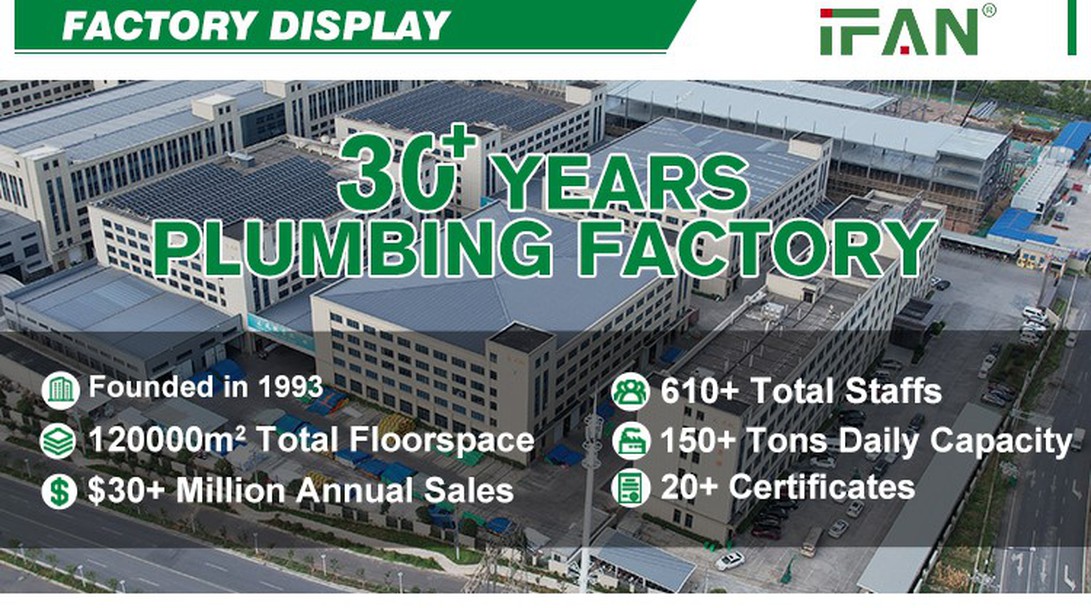
| Experience | 30+Years |
| Contact Us | Click HERE to contact us now! |
Welcome to contact IFAN, we are online 24 hours a day to answer your questions!
Demanding Environments Require Proven Materials
Industrial environments place some of the toughest demands on plumbing and fluid transport systems. Unlike standard building applications, industrial facilities often deal with continuous operation, variable pressure loads, and exposure to different chemicals or process fluids. In these conditions, even small weaknesses in piping systems can lead to production delays or safety concerns.
Brass pipe fittings are commonly selected in industrial applications because they provide dependable mechanical performance under challenging conditions. Their combination of strength, stability, and resistance to wear makes them suitable for systems that must operate continuously. In many factories and processing plants, brass fittings are not just an option but a standard component of reliable infrastructure design.
Reliable Performance in Continuous Operation
Industrial systems rarely shut down. Equipment may run for extended shifts or operate around the clock, which means piping systems must maintain consistent performance without interruption. Any failure in a fitting can disrupt operations and lead to costly downtime.
Brass fittings are valued for their ability to maintain stable connections during long periods of continuous use. Their solid structure helps them resist loosening or deformation caused by constant flow conditions. This reliability ensures that fluid transport systems remain operational even under sustained workloads, making brass a practical choice for industries where uptime is critical.
Strength Under Pressure and Mechanical Stress
Many industrial processes involve elevated pressure levels, especially in systems that transport water, air, oil, or process fluids. These conditions place ongoing mechanical stress on every connection within the system.
Brass pipe fittings are designed to withstand these pressure conditions without losing integrity. Their rigid construction helps maintain secure joints even when internal forces fluctuate. This resistance to mechanical stress reduces the risk of sudden failures, which is essential in industrial environments where system stability directly affects production safety and efficiency.
Stability in Diverse Industrial Fluids
Industrial applications often involve more than just clean water. Systems may carry lubricants, cooling fluids, compressed air, or mildly aggressive chemicals depending on the process requirements. Each type of fluid can interact differently with piping materials over time.
Brass performs well across a wide range of these operating conditions. Its material composition allows it to maintain structural stability without rapid degradation in many standard industrial fluid systems. This versatility makes brass fittings suitable for multi-purpose facilities where different fluid lines must operate within the same infrastructure.
Reducing Downtime Through Reliable Connections
Downtime is one of the most expensive challenges in industrial operations. When production stops due to maintenance or unexpected failure, the financial impact can be significant. For this reason, industries prioritize components that reduce the likelihood of system interruptions.
Brass pipe fittings contribute to lower downtime by providing stable and long-lasting connections. Their resistance to wear and deformation helps reduce the frequency of repairs. Fewer connection failures mean fewer emergency shutdowns, allowing industrial facilities to maintain consistent production schedules and improve overall operational efficiency.
Integration into Complex Industrial Systems
Industrial piping networks are often highly complex, involving multiple branches, equipment connections, and control points. Designing such systems requires fittings that can integrate reliably into different configurations without compromising performance.
Brass fittings are widely used because they are compatible with a variety of piping layouts and system designs. Whether used in straight runs, branching lines, or equipment interfaces, they provide dependable connection points that support system stability. This flexibility allows engineers to design efficient industrial networks without limiting operational requirements.
Maintenance Efficiency in High-Demand Facilities
Maintenance management is a critical aspect of industrial operations. Facilities aim to minimize the time and resources spent on system repairs while maximizing equipment uptime. Components that require frequent servicing can significantly increase operational costs.
Brass fittings help improve maintenance efficiency due to their durability and long service life. Their resistance to wear and corrosion reduces the likelihood of frequent replacements or repairs. As a result, maintenance teams can focus more on scheduled inspections rather than emergency interventions, improving overall workflow efficiency within the facility.
Importance of Professional Installation Standards
Even in industrial environments where equipment quality is high, proper installation remains essential. Incorrect assembly or poor sealing practices can compromise system reliability regardless of material strength.
Brass pipe fittings must be installed using appropriate techniques, including correct alignment, proper sealing materials, and controlled tightening procedures. Professional installation ensures that each connection performs as designed under industrial operating conditions. When installed correctly, brass fittings provide stable performance that supports long-term system reliability.