

Dimensional standards and selection guide for PPR pipe tees
Jul 16, 2024

Dimensional Standards and Selection Guide for PPR Pipe Tees
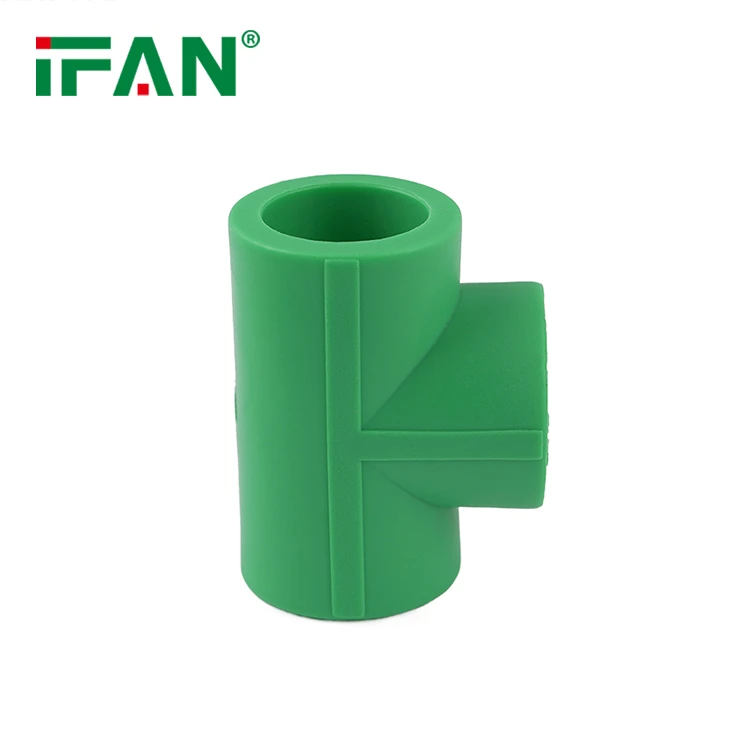
PPR pipe tees are crucial components in plumbing systems, facilitating the branching of pipelines while maintaining structural integrity. Understanding their dimensional standards and selecting the appropriate tees is essential for efficient and reliable plumbing installations.
Importance of Dimensional Standards
Dimensional standards ensure compatibility and uniformity in plumbing systems. For PPR pipe tees, adherence to standards such as DIN 16962 ensures that tees fit seamlessly with other PPR components like pipes and fittings. These standards specify dimensions such as diameter, length, and angles, crucial for proper fitting and functionality.
Types of PPR Pipe Tees
PPR pipe tees come in various types to suit different plumbing needs. Common types include equal tees, where all three openings are of the same diameter, and reducing tees, which allow for connection of pipes of different diameters. Choosing the correct type depends on the specific requirements of the plumbing layout.
Dimensional Specifications
PPR pipe tees are manufactured according to precise dimensional specifications. These specifications include the outer diameter of the pipe and the sizes of the branches, ensuring a secure fit and preventing leaks. For example, a 25 mm PPR pipe tee might have branch sizes of 20 mm, maintaining uniformity in flow and pressure throughout the system.
Material Considerations
PPR pipe tees are typically made from polypropylene, a durable and corrosion-resistant material suitable for plumbing applications. The material's properties ensure longevity and reliability, even in varying environmental conditions. Understanding the material's characteristics aids in selecting tees that meet both performance and durability requirements.
Application and Installation
In plumbing installations, PPR pipe tees are used to create junctions without compromising the integrity of the pipeline. Proper installation techniques, such as solvent welding or mechanical joining, ensure leak-free connections. Following manufacturer guidelines and local plumbing codes is crucial for safe and effective installation.
Factors Influencing Selection
Several factors influence the selection of PPR pipe tees, including pipe diameter, operating pressure, and temperature. Assessing these factors ensures that the chosen tees can handle the demands of the plumbing system without risk of failure. For instance, high-temperature applications require tees capable of withstanding elevated temperatures without deformation.
Compatibility with Other Components
PPR pipe tees must be compatible with other PPR components used in the plumbing system, such as pipes, elbows, and valves. Ensuring compatibility avoids issues during installation and operation, promoting seamless flow and minimizing maintenance requirements. Manufacturers often provide compatibility charts or guidelines to aid in component selection.
Conclusion
In conclusion, understanding dimensional standards and selecting the appropriate PPR pipe tees are critical steps in plumbing system design and installation. By adhering to standards, considering dimensional specifications, and evaluating material properties, plumbers and designers can ensure efficient and reliable plumbing installations. Proper selection not only enhances system performance but also extends the lifespan of the plumbing infrastructure, providing long-term benefits in terms of reliability and cost-effectiveness.


