
PEX Gas Pipes: Revolutionize the Gas Industry
Oct 31, 2023
PEX Gas Pipes: Revolutionizing the Gas Distribution Industry
Introduction:
PEX (cross-linked polyethylene) gas pipes have emerged as a game-changer in the gas distribution industry. Traditionally, steel and copper pipes were the primary materials used for gas distribution. However, PEX gas pipes offer numerous advantages that are driving their adoption in this sector. In this article, we will explore the key aspects of PEX gas pipes and their impact on the gas distribution industry.
What is PEX?
PEX is a versatile polymer material known for its exceptional flexibility, durability, and resistance to corrosion and scaling. It is manufactured through a cross-linking process that enhances its molecular structure, making it suitable for various applications, including plumbing and gas distribution.
Advantages of PEX Gas Pipes:
1. Corrosion Resistance: PEX gas pipes do not corrode, unlike traditional steel pipes, which are susceptible to rust. This resistance to corrosion ensures a longer service life, reducing maintenance costs and the risk of gas leaks.
2. Flexibility: PEX gas pipes are highly flexible, allowing for easy installation in tight spaces and around obstacles. Their flexibility also makes them less prone to cracking or damage due to ground movement or freezing temperatures.
3. Lightweight: PEX pipes are significantly lighter than steel pipes, making transportation, handling, and installation more convenient and cost-effective.
4. Durability: PEX gas pipes have a long lifespan, often exceeding long-term durability according to standards, which reduces the need for replacements and repairs.
5. Cost-Effective: The installation of PEX gas pipes is typically less expensive than that of traditional materials. The reduced labor and material costs, coupled with the pipes' longevity, result in long-term cost savings.
6. Resistance to Scaling: PEX pipes are resistant to scaling, which can lead to reduced gas flow in traditional steel pipes over time.
7. Improved Safety: PEX gas pipes are safer to handle during installation, as they do not require welding or soldering, eliminating the associated fire hazards. Additionally, their flexibility reduces the risk of leaks caused by joint failures.
Applications:
PEX gas pipes are used in various gas distribution applications, including residential, commercial, and industrial settings. They are suitable for both underground and aboveground installations and can be used for natural gas and propane distribution.
Challenges and Considerations:
While PEX gas pipes offer numerous benefits, there are some important considerations:
1. Codes and Regulations: It's crucial to ensure compliance with local building codes and regulations when using PEX gas pipes.
2. UV Exposure: PEX pipes are sensitive to UV light and should not be exposed to direct sunlight, so they are typically installed underground or enclosed.
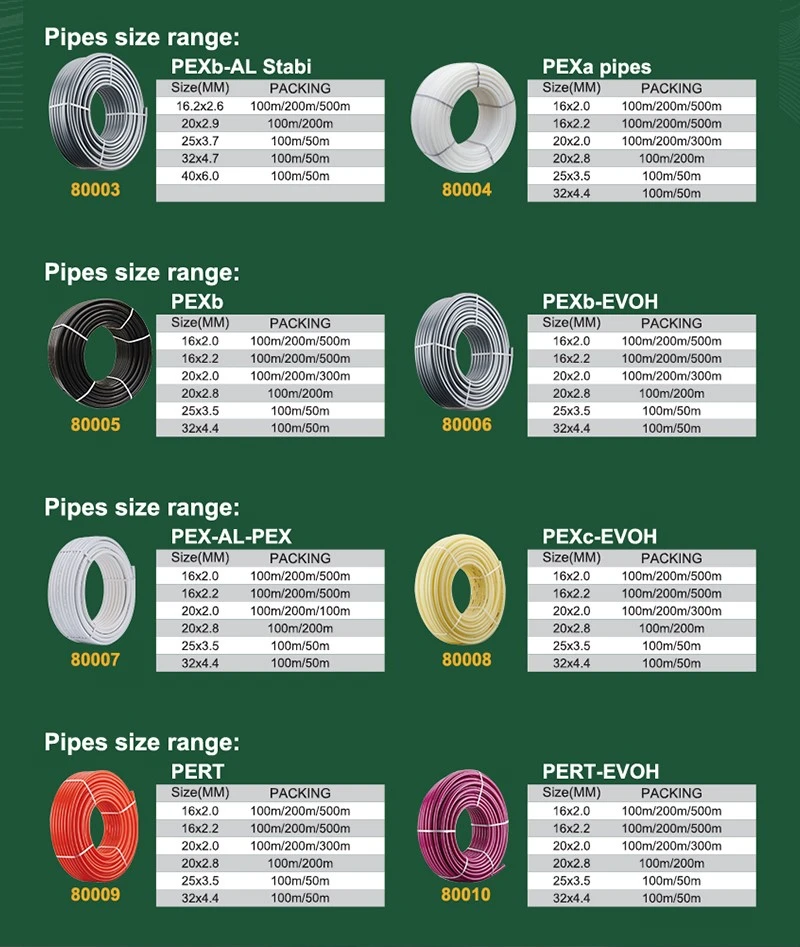
3. Temperature and Pressure Ratings: PEX pipes come in different types, each with specific temperature and pressure ratings. Choosing the right type is essential for safety and performance.
Conclusion:
PEX gas pipes have revolutionized the gas distribution industry by providing a cost-effective, durable, and corrosion-resistant alternative to traditional materials. As the industry continues to evolve, PEX is likely to play an increasingly important role in ensuring safe and efficient gas distribution systems. However, it is essential to adhere to local regulations and best practices to maximize the benefits of PEX gas pipes while maintaining safety and reliability.