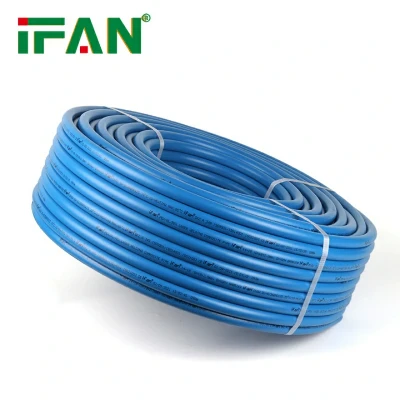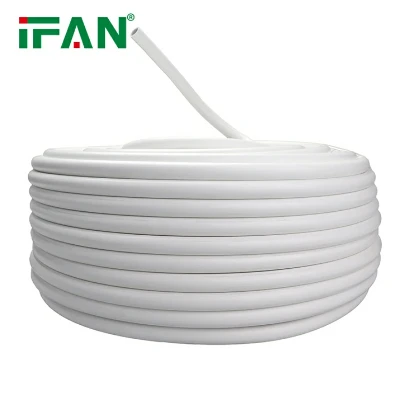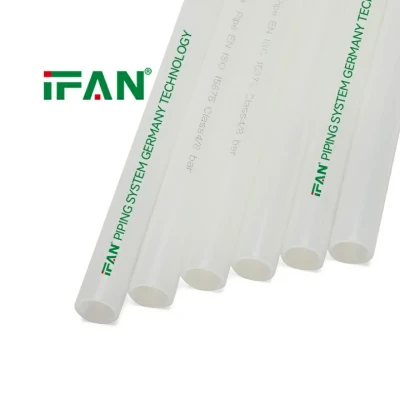

Pex Press Fittings Enable Faster Assembly
Nov 24, 2026

| Product Name | Pex Press Fittings |
| Color | White,Red,Blue,Yellow or Customized |
| Size | 16-32mm |
| Brand | IFAN or Customized |
| OEM |
Support |
| Sample | Free |
| Experience | 30+Years |
| Contact Us | Click HERE to contact us now! |
Welcome to contact IFAN, we are online 24 hours a day to answer your questions!
Introduction
In today's plumbing industry, installation speed has become an important consideration for contractors, construction companies, and project managers. Tight construction schedules require plumbing components that are easy to handle, straightforward to assemble, and capable of delivering dependable results. Traditional pipe connection methods can involve several preparation stages, specialized techniques, and additional equipment, which may slow down progress when numerous joints need to be completed. PEX press fittings offer a more direct approach by using mechanical pressure to connect compatible PEX pipes and fitting components. This assembly method helps simplify repetitive installation tasks and allows workers to organize their activities more efficiently. From residential developments to large commercial buildings, the ability to complete connections through a consistent procedure can make a meaningful difference to project productivity. Understanding how PEX press fittings accelerate assembly also helps explain their growing role in modern plumbing applications.
A Connection Method Designed for Efficiency
The main advantage of PEX press fittings lies in their mechanical assembly process. Instead of relying on soldering, threading, or other traditional joining procedures, installers use a specialized pressing tool to secure compatible components together.
The process generally begins with measuring and cutting the PEX pipe to the required length. After preparing the pipe according to the manufacturer's instructions, the installer positions it correctly within the fitting assembly. A suitable pressing tool is then used to complete the connection.
This sequence eliminates certain operations associated with conventional plumbing methods. Workers do not need to prepare a flame-based joining area or wait for soldered connections to cool. As a result, the overall workflow can become more straightforward, particularly when several similar connections must be completed during one installation session.
Reducing Repetitive Installation Tasks
Large plumbing projects often involve hundreds or even thousands of individual connections. Although the time required for one joint may appear insignificant, repeated installation tasks can account for a substantial portion of total working hours.
PEX press fittings help simplify these repetitive operations through a relatively standardized assembly procedure. Once installers become familiar with the selected connection system, they can follow the same basic sequence throughout the project.
This consistency can reduce unnecessary changes between different joining techniques and make it easier to maintain a steady working pace. It also helps supervisors organize installation teams because workers can be assigned specific preparation, assembly, and inspection responsibilities.
For contractors managing large developments, reducing unnecessary handling and repeated preparation can improve the use of available labor without sacrificing the importance of proper workmanship.
Faster Work in Restricted Installation Areas
Plumbing installations do not always take place in convenient working environments. Pipes may need to pass through narrow ceiling spaces, wall cavities, utility cabinets, and other locations where movement is restricted.
Traditional soldering can be difficult in these areas because workers must consider flame clearance, surrounding materials, and appropriate fire precautions. PEX press fittings provide an alternative that does not require an open flame during connection assembly.
This can make certain installation tasks easier to organize in confined environments. Workers can avoid some heat-related preparation and focus on positioning the pipe and operating the compatible pressing equipment.
PEX piping also offers routing flexibility, allowing installers to plan practical paths around building structures. When the pipe layout is designed correctly, this flexibility may reduce unnecessary connections and simplify the overall assembly process.
Supporting Better Construction Scheduling
Construction projects involve multiple trades that must complete their work in a coordinated sequence. Plumbing delays can affect wall closure, flooring installation, equipment positioning, and final building inspections.
PEX press fittings can help contractors make installation schedules more predictable because the mechanical joining process follows a defined procedure. Once the required tools and materials are available, teams can organize connection work according to the planned pipe layout.
For example, installers working on a residential development can prepare pipe sections and fitting components before moving into individual rooms. This approach reduces unnecessary movement between work areas and helps maintain a more organized installation sequence.
Although actual assembly times vary according to pipe size, accessibility, and worker experience, a repeatable connection method can make project planning more manageable.
The Importance of Suitable Tools and Equipment
Fast assembly depends on more than the design of the fitting. The pressing equipment must be compatible with the selected connection system and capable of producing the required pressing operation.
Different manufacturers may use different fitting profiles, dimensions, and tool requirements. Using equipment that is not approved for a particular product can result in an incomplete or defective connection.
Before starting work, contractors should check the technical documentation and ensure that the necessary tools are available. Pressing jaws should be inspected regularly, and equipment must be maintained according to the manufacturer's recommendations.
Having properly prepared tools at each workstation can prevent unnecessary interruptions. It also reduces the risk of workers improvising with unsuitable equipment when installation schedules become tight.
Improving Coordination Between Installation Teams
A successful plumbing project depends on cooperation between different members of the installation team. When connection procedures are complicated or inconsistent, workers may need additional supervision and coordination.
PEX press fittings can support a more organized division of work. One worker may prepare and measure pipes, another may position the fittings, while a trained installer completes the pressing operation. A separate inspection stage can then verify that connections have been assembled correctly.
This division of responsibilities is particularly useful on larger projects where several installation teams operate simultaneously.
Standardized working procedures also make progress easier to monitor. Supervisors can identify unfinished sections, check material availability, and arrange equipment distribution without disrupting the entire workflow.
Maintaining Quality While Increasing Assembly Speed
Speed should never become the only objective of a plumbing installation. A connection that is assembled quickly but incorrectly may lead to leakage, expensive repairs, and project delays.
Before pressing, installers should inspect the pipe for damage and ensure that it has been cut cleanly. The fitting must be compatible with the pipe, and the required insertion depth and alignment must be maintained.
After assembly, every connection should receive the inspection recommended by the manufacturer. The completed plumbing network must also undergo the required pressure or leak testing before pipes are concealed.
Training is equally important. Workers who understand the correct procedure are more likely to maintain consistent quality while completing tasks efficiently.