
Pex Press Fittings Optimize Commercial Plumbing
Nov 24, 2026

| Product Name | Pex Press Fittings |
| Color | White,Red,Blue,Yellow or Customized |
| Size | 16-32mm |
| Brand | IFAN or Customized |
| OEM |
Support |
| Sample | Free |
| Experience | 30+Years |
| Contact Us | Click HERE to contact us now! |
Welcome to contact IFAN, we are online 24 hours a day to answer your questions!
Introduction
Commercial plumbing systems are often more demanding than residential installations. Office buildings, hotels, shopping centers, hospitals, and industrial facilities may contain extensive pipe networks that serve hundreds of fixtures and operate throughout the day. In these environments, connection reliability, installation efficiency, and maintenance accessibility all influence the overall performance of the plumbing infrastructure. PEX press fittings provide a practical connection option for compatible PEX piping systems, helping contractors address the challenges associated with large-scale installations. Their mechanical joining method supports organized pipe assembly without requiring traditional soldering procedures. More importantly, their versatility allows plumbing professionals to adapt distribution networks to different building layouts and operational requirements. When selected and installed correctly, PEX press fittings can contribute to better project coordination, more manageable maintenance, and efficient commercial water distribution.
Meeting the Demands of Large Commercial Buildings
Commercial properties typically have complicated water distribution requirements. A hotel may need to supply guest bathrooms, kitchens, laundry facilities, and public areas simultaneously. An office building may contain multiple floors with independent plumbing branches, while healthcare facilities often require carefully planned water distribution for different departments.
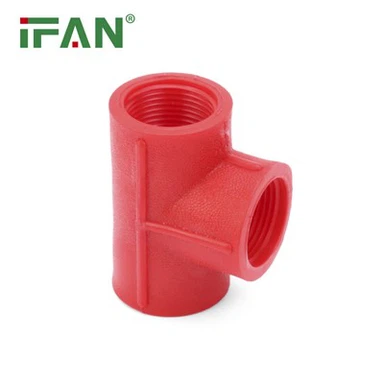
PEX press fittings are available in different configurations, allowing contractors to create connections suited to these varied layouts. Straight connectors, elbows, tees, and transition fittings can be incorporated into properly designed networks to connect supply lines and distribution branches.
Their compatibility with flexible PEX piping also provides additional design possibilities. Installers can plan routes around structural elements and service areas while maintaining the required pipe support and bending conditions. This adaptability is particularly useful when coordinating plumbing installations with electrical, ventilation, and other building systems.
Improving Construction Project Efficiency
Time management is a major consideration in commercial construction. Delays in plumbing installation can affect other trades, postpone inspections, and interfere with the overall project completion schedule.
PEX press fittings help simplify certain connection operations through a mechanical assembly process. Once the pipe is prepared and positioned correctly, a compatible pressing tool completes the connection according to the manufacturer's specifications.
Because this process does not require open-flame soldering, contractors can avoid some of the additional preparation associated with hot-work activities. This can be beneficial in buildings where multiple construction teams operate simultaneously or where combustible materials are present.
For large projects involving extensive piping networks, a standardized connection method can also make installation planning more predictable. Contractors can organize work areas, prepare the necessary equipment, and allocate personnel according to the expected number of connections.
Supporting Efficient Water Distribution
A commercial plumbing network must deliver sufficient water to multiple service points without creating excessive pressure losses. Poor pipe sizing, unsuitable fitting dimensions, and unnecessary changes in direction can negatively affect hydraulic performance.
PEX press fittings contribute to the overall distribution design by providing connection options for different pipe arrangements. However, their internal dimensions should be considered carefully because individual fitting designs may create different levels of flow resistance.
Professional designers should evaluate expected water demand, pipe diameter, system pressure, building height, and simultaneous fixture usage. These factors help determine the appropriate configuration for each distribution branch.
In facilities with substantial water consumption, hydraulic calculations are particularly important. Selecting suitable fittings as part of a complete engineering design helps ensure that the network can meet operational requirements without placing unnecessary demands on pumps or pressure-control equipment.
Adapting to Renovation and Building Upgrades
Commercial buildings frequently undergo renovations to accommodate new tenants, expanded facilities, or changes in business operations. These modifications may require existing water distribution systems to be extended, relocated, or partially replaced.
PEX press fittings can be useful in selected renovation projects because their mechanical joining process does not depend on soldering. This may simplify certain installation tasks in occupied buildings, where controlling heat, noise, and construction disruption is important.
For example, contractors upgrading office washrooms or hotel service areas may need to modify existing compatible PEX pipework while keeping other building services operational.
When connecting PEX to copper, steel, or other piping materials, appropriate transition components must be used. Contractors should also inspect the existing system and confirm that the new installation meets current plumbing regulations. Careful planning helps avoid compatibility issues and unnecessary replacement work.
Material Selection for Commercial Applications
Commercial plumbing systems must often operate under demanding conditions for extended periods. The choice of fitting material therefore deserves particular attention.
PEX press fittings may be manufactured from engineered polymers, brass alloys, stainless steel, or other materials depending on the product design. Each option has different characteristics relating to corrosion resistance, mechanical strength, temperature tolerance, and water compatibility.
Brass fittings are commonly used in many plumbing applications, while engineered polymer alternatives can provide nonmetallic connection options. The appropriate choice depends on the water chemistry, operating environment, pressure requirements, and product approvals.
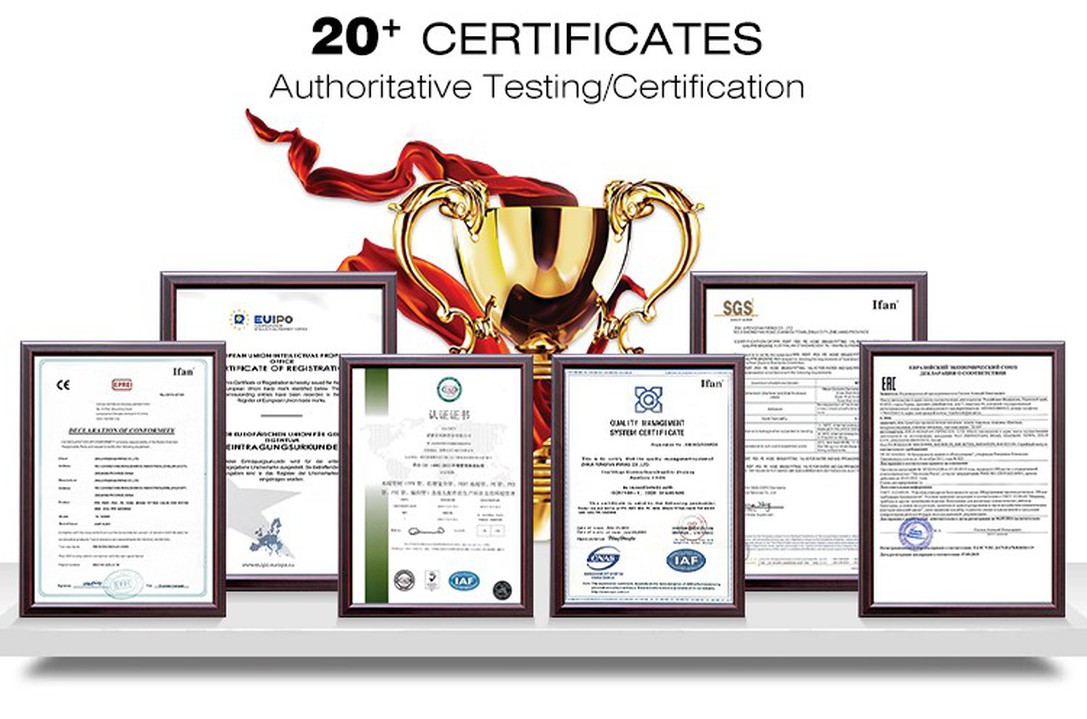
For facilities such as hotels, restaurants, and healthcare buildings, components that contact drinking water must meet applicable health and safety standards. Contractors should always verify certifications and technical documentation before specifying products for commercial use.
Making Maintenance More Manageable
Unexpected plumbing repairs can be particularly disruptive in commercial properties. A leaking connection may affect office operations, hotel rooms, retail spaces, or other areas that depend on continuous water service.
Properly selected and installed PEX press fittings can help create dependable connection points within a commercial network. Their standardized assembly process also makes it easier for maintenance teams to identify the relevant product specifications when future modifications are necessary.
System documentation is especially valuable in large facilities. Records should include pipe sizes, fitting models, installation locations, pressure-test results, and maintenance history.
Accessible isolation valves and clearly organized pipe routes can further simplify repair work. Rather than treating maintenance as an afterthought, commercial building managers should consider future access requirements during the original plumbing design.
Installation Standards and Quality Management
The performance of commercial plumbing depends heavily on installation quality. Incorrect assembly can undermine even the most carefully selected products.
Before installation, contractors should confirm that the pipe, fittings, and pressing tools belong to a compatible system. Pipe ends must be prepared correctly, and the specified insertion depth and pressing procedure must be followed.
Large commercial projects should also establish consistent quality-control procedures. Supervisors can inspect completed connections, verify tool condition, and maintain records of installation checks. The finished network must undergo the required pressure testing before concealed sections are closed.
Following manufacturer instructions, project specifications, and local plumbing codes helps reduce installation defects and supports long-term operational reliability.