
Recommended Tools for Brass Threaded Fittings Installation: Essential Tools and Usage Tips
Feb 15, 2025
Installing brass threaded fittings requires the right tools and techniques to ensure a secure and leak-free connection. Whether you're a professional plumber or a DIY enthusiast, having the proper tools can make the process smoother and more efficient. This article provides a comprehensive guide to the essential tools and practical tips for installing brass threaded fittings.
Pipe Wrench: The Foundation of Installation
A pipe wrench is indispensable for tightening and loosening brass threaded fittings. Its adjustable jaws provide a firm grip on the fitting, preventing slippage. For example, a 14-inch pipe wrench is ideal for most residential plumbing tasks. Always use a second wrench to hold the pipe steady while tightening to avoid twisting.
Teflon Tape and Pipe Dope: Ensuring a Tight Seal
Teflon tape and pipe joint compound (pipe dope) are essential for creating a leak-free seal. Wrap Teflon tape clockwise around the male threads, covering them completely. For instance, two to three layers of tape are usually sufficient. Alternatively, apply pipe dope evenly to the threads for a more robust seal, especially in high-pressure systems.
Thread Cutter and Die: Repairing Damaged Threads
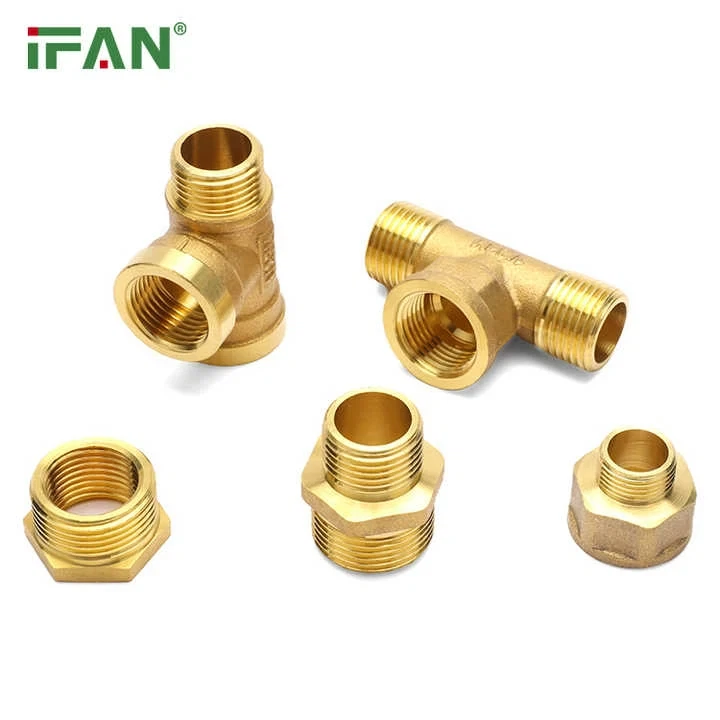
A thread cutter and die set is crucial for repairing or creating new threads on pipes. If the threads are damaged, use the cutter to clean them up. For example, a 1/2-inch die is commonly used for standard plumbing pipes. Always lubricate the cutter with oil to ensure smooth operation and prevent thread damage. IFAN factory 30+ years manufacture experience support color /size customization support free sample.Welcome to consult for catalog and free samples.This is our Facebook Website:www.facebook.com,Click to watch IFAN's product video.Our IFAN products from quality to price are your best choice, welcome to buy!
Deburring Tool: Smoothing Pipe Ends
After cutting a pipe, use a deburring tool to remove rough edges and burrs. This ensures a proper fit and prevents damage to the fitting's threads. For instance, a handheld deburring tool with a rotating blade can quickly smooth the pipe end, making it ready for installation.
Torque Wrench: Precision Tightening
A torque wrench is recommended for achieving the correct tightness without over-tightening. Over-tightening can strip the threads or crack the fitting. For example, set the torque wrench to the manufacturer's recommended setting (usually 15-20 ft-lbs for brass fittings) to ensure a secure connection without damage.
Inspection Mirror and Flashlight: Checking Hard-to-See Areas
An inspection mirror and flashlight are invaluable for checking the installation in tight or dark spaces. These tools help identify potential issues, such as misaligned threads or incomplete connections. For example, a flexible LED flashlight can illuminate hidden areas, ensuring a thorough inspection.
Tips for Successful Installation
Always follow the manufacturer's instructions for installing brass threaded fittings. Test the system for leaks by pressurizing it with water or air. For example, a pressure gauge can help monitor the system during testing. Regular maintenance and inspections can further ensure long-term reliability.
Conclusion
Using the right tools and techniques is essential for a successful brass threaded fitting installation. By investing in quality tools and following best practices, you can achieve a durable and leak-free piping system. Whether for residential or commercial projects, proper installation ensures optimal performance and peace of mind.