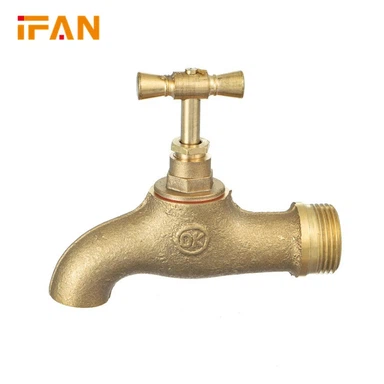
The Role of Brass Press Fitting in HVAC Systems
Mar 19, 2025
Introduction: The Significance of Brass Press Fittings
In the intricate world of Heating, Ventilation, and Air Conditioning (HVAC) systems, every component plays a crucial role in ensuring optimal performance and efficiency. Among these components, brass press fittings stand out due to their durability, reliability, and ease of installation. Brass, a composed primarily of copper and zinc, offers exceptional corrosion resistance and strength, making it ideal for applications that involve the transfer of fluids under varying pressures and temperatures. This article delves into the significance of brass press fittings in HVAC systems, exploring their unique properties, installation processes, performance benefits, and the critical role they play in maintaining system integrity.
Corrosion Resistance and Durability
Sub-heading: Brass's Natural Protection Against Environmental Degradation
HVAC systems often operate in harsh environments, exposed to varying temperatures, humidity levels, and potential contaminants. Brass press fittings, with their inherent corrosion resistance, provide a robust solution against these environmental challenges. Brass's composition creates a protective oxide layer on its surface, which acts as a barrier against rust and other forms of corrosion. This natural protection extends the lifespan of the fittings, reducing the need for frequent maintenance and replacements. Additionally, brass's resistance to dezincification, a process where zinc is selectively removed from brass alloys, ensures long-term structural integrity, maintaining the fitting's tight seal and preventing leaks.
Ease of Installation and Cost Efficiency
Sub-heading: Streamlining HVAC System Assembly
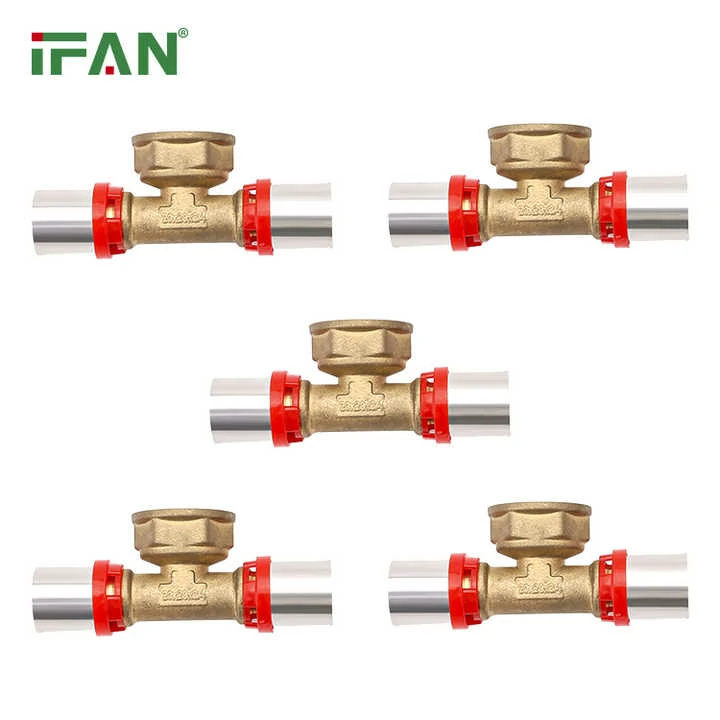
The installation of HVAC systems is a complex process that requires precision and efficiency. Brass press fittings significantly streamline this process by eliminating the need for soldering or welding, which can be time-consuming and labor-intensive. Instead, press fittings utilize a mechanical connection that requires only a press tool to secure the joint. This method not only reduces installation time but also minimizes the risk of fire hazards associated with soldering. Furthermore, the cost-efficiency of brass press fittings becomes apparent when considering the reduction in labor costs and the elimination of specialized tools and materials required for traditional soldering processes.
Optimal Fluid Flow and Energy Efficiency
Sub-heading: Enhancing HVAC System Performance
In HVAC systems, the efficient transfer of fluids such as refrigerants, water, and glycol solutions is paramount. Brass press fittings are designed to minimize fluid resistance, ensuring smooth and uninterrupted flow. The smooth interior surfaces of brass fittings reduce turbulence and pressure drop, which translates to improved system efficiency and reduced energy consumption. This is particularly important in large-scale HVAC installations where even minor inefficiencies can lead to significant energy waste and increased operational costs. By optimizing fluid flow, brass press fittings contribute to the overall sustainability of HVAC systems, aligning with modern trends towards energy-efficient building practices.
Versatility and Compatibility with Various HVAC Components
Sub-heading: Brass Press Fittings as the Universal Connector
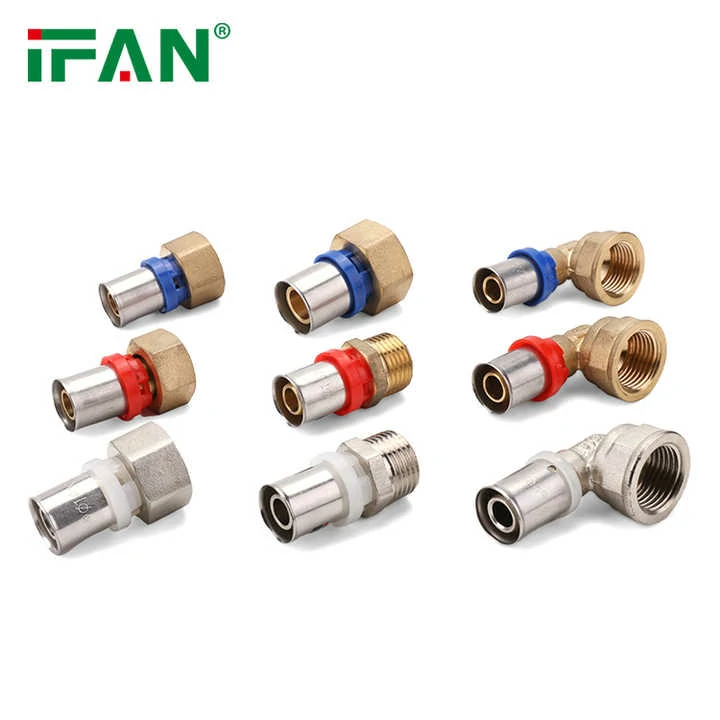
HVAC systems encompass a wide range of components, including pipes, valves, coils, and pumps, each requiring specific connection points. Brass press fittings offer unparalleled versatility, compatible with a variety of pipe materials including copper, stainless steel, and plastic-coated pipes. This compatibility ensures seamless integration within HVAC systems, allowing for flexible design configurations that cater to specific project requirements. Whether it's a residential HVAC setup or a large-scale commercial application, brass press fittings provide a reliable and adaptable solution that meets the diverse needs of HVAC installations.
Conclusion: Brass Press Fittings as the Backbone of HVAC Systems
In conclusion, brass press fittings play an indispensable role in HVAC systems, combining durability, ease of installation, cost efficiency, optimal fluid flow, and versatility. Their corrosion-resistant properties ensure long-term reliability, while their mechanical connection method simplifies installation processes and reduces safety risks. By enhancing system performance and contributing to energy efficiency, brass press fittings align with the evolving demands of modern HVAC technology. As HVAC systems continue to evolve, brass press fittings will remain a cornerstone of these critical building infrastructures, ensuring optimal comfort, efficiency, and reliability in both residential and commercial settings.