
Upgrade Plumbing Systems Using CPVC Pipe Fittings
Jun 29, 2026

| Product Name | CPVC Pipe Fittings |
| Color | Yellow or Customized |
| Size | 1/2"-2" |
| Brand | IFAN or Customized |
| OEM |
Support |
| Sample | Free |
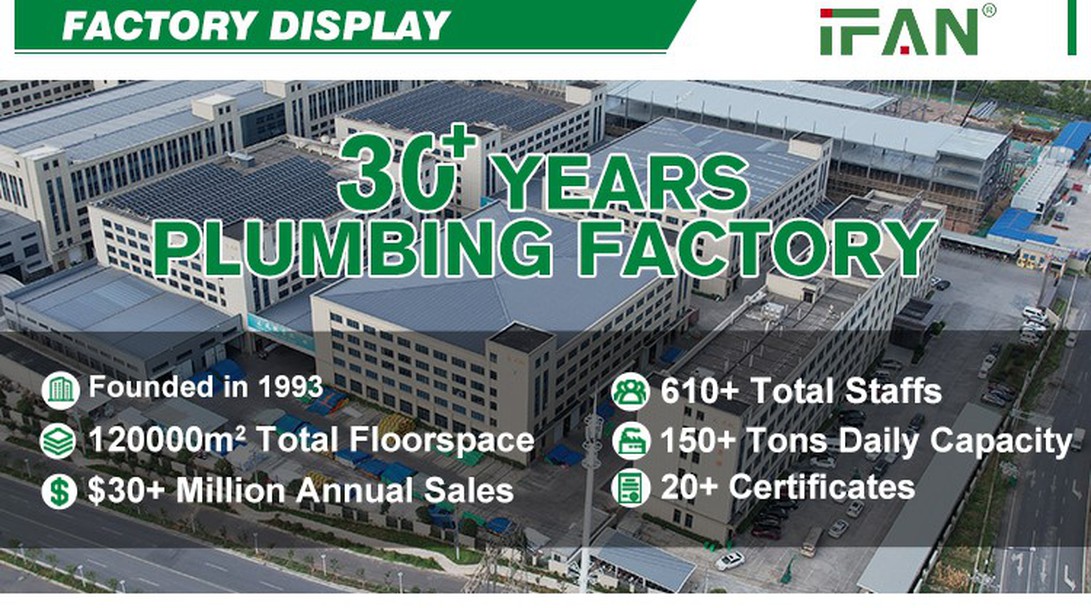
| Experience | 30+Years |
| Contact Us | Click HERE to contact us now! |
Welcome to contact IFAN, we are online 24 hours a day to answer your questions!
The Need for Modern Plumbing System Upgrades
Plumbing systems in many buildings were designed decades ago, when performance expectations, material standards, and building usage patterns were different from today. As buildings age, these systems often begin to show signs of inefficiency, frequent maintenance needs, or limited compatibility with modern water usage demands. Upgrading becomes necessary to improve reliability and extend service life.
CPVC pipe fittings are increasingly used in plumbing system upgrades because they provide a practical way to modernize existing infrastructure. Their adaptability allows them to integrate into replacement or renovation projects without requiring complete system redesigns. This makes them a practical solution for improving older plumbing networks in residential, commercial, and institutional buildings.
Transitioning from Outdated Materials to CPVC
Older plumbing systems often rely on materials that may be prone to corrosion, scaling, or reduced performance over time. These issues can lead to inconsistent water flow, leaks, or reduced system efficiency. Replacing such systems entirely can be expensive and disruptive.
CPVC fittings offer a smoother transition from outdated materials because they can be incorporated into partial or full system upgrades. In many cases, sections of old piping can be replaced incrementally, allowing the system to remain partially operational during renovation. This flexibility reduces downtime and makes upgrading more manageable for building owners and contractors.
Improving System Reliability During Upgrades
One of the main goals of any plumbing upgrade is to improve overall system reliability. Aging systems often experience unpredictable performance, requiring frequent repairs and increasing maintenance costs. A modernized system should reduce these issues and provide more stable operation.
CPVC pipe fittings help improve reliability by offering consistent performance once installed. Their resistance to common plumbing issues such as corrosion and material degradation ensures that upgraded sections of the system remain stable over time. This contributes to a more dependable plumbing network after renovation is completed.
Enhancing Flow Performance in Existing Networks
Older plumbing systems may suffer from reduced flow efficiency due to internal buildup, pipe wear, or outdated design configurations. These limitations can affect water pressure and overall system performance throughout a building.
By integrating CPVC fittings into upgraded systems, flow pathways can be improved through smoother internal surfaces and more consistent connections. This helps restore balanced water distribution and reduces resistance within the pipeline. As a result, upgraded systems often deliver noticeably improved performance compared to older configurations.
Simplifying Renovation Work in Occupied Buildings
Many plumbing upgrades take place in occupied buildings such as residential complexes, office spaces, or public facilities. In these environments, minimizing disruption is a key priority. Full system shutdowns or extended construction periods can negatively impact occupants.
CPVC pipe fittings support phased renovation approaches, allowing installers to work on specific sections of the system without shutting down the entire network. Their lightweight nature and simple installation process also reduce on-site disruption. This makes them suitable for upgrade projects where continuous building operation must be maintained.
Reducing Long-Term Maintenance After Upgrades
A major reason for upgrading plumbing systems is to reduce long-term maintenance requirements. Older systems often require frequent repairs due to wear and material degradation, increasing operational costs over time.
CPVC fittings contribute to lower maintenance needs by providing durable and stable connections that resist common failure mechanisms. Once installed correctly, they require minimal intervention, allowing building operators to focus on preventive maintenance rather than constant repairs. This improves overall system efficiency and reduces long-term maintenance expenses.
Compatibility with Modern Plumbing Requirements
Modern buildings often have higher expectations for plumbing performance, including stable water pressure, efficient distribution, and compatibility with updated fixtures. Older systems may struggle to meet these requirements without modification.
CPVC pipe fittings help bridge this gap by supporting modern plumbing standards. Their design allows them to integrate into updated system layouts and support improved water distribution strategies. This compatibility makes them a practical choice for bringing older buildings up to current performance expectations.
Supporting Cost-Effective System Modernization
Full plumbing system replacement can be expensive and time-consuming. In many cases, building owners look for cost-effective alternatives that still deliver meaningful performance improvements.
CPVC fittings offer a balanced approach by enabling partial or staged upgrades. This reduces material costs, labor requirements, and overall project duration compared to complete system replacement. At the same time, the upgraded system benefits from improved durability and efficiency, making it a cost-effective modernization solution.
Importance of Proper Upgrade Planning and Installation
Successful plumbing system upgrades depend not only on material selection but also on careful planning and proper installation. Integration with existing infrastructure must be handled correctly to ensure long-term system stability.
CPVC pipe fittings require correct joining techniques and proper system design alignment to perform effectively in upgraded systems. When installed according to recommended practices, they create reliable connections that support long-term operation. Proper execution ensures that the benefits of the upgrade are fully realized.