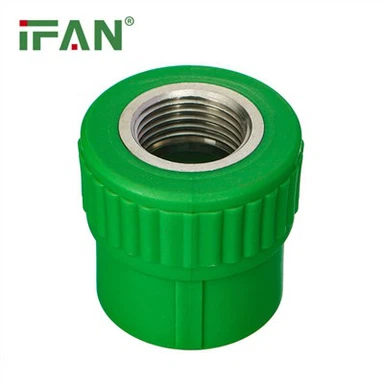

UPVC pipe fittings production technology and quality control methods
Jul 20, 2024
UPVC Pipe Fittings Production Technology and Quality Control Methods
UPVC pipe fittings are integral components in plumbing and construction industries, known for their durability and resistance to corrosion. Understanding the production technology and quality control methods ensures their reliability and performance.

Raw Material Selection and Preparation
The production of UPVC pipe fittings begins with meticulous raw material selection. Unplasticized Polyvinyl Chloride (UPVC), a rigid polymer, is chosen for its chemical stability and strength. Manufacturers carefully source additives and stabilizers to enhance UV resistance and impact strength. Quality starts with high-grade raw materials to ensure the longevity and performance of UPVC pipe fittings.
Extrusion Process
Extrusion is the primary manufacturing method for UPVC pipe fittings. Granular UPVC resin and additives are melted and homogenized in an extruder. The molten material is forced through a die to shape the fittings, such as couplings, elbows, and tees. Precision control of extrusion parameters like temperature and pressure is critical to achieving uniform wall thickness and dimensional accuracy.
Injection Molding for Complex Shapes
For intricate UPVC fittings like valves and connectors, injection molding is employed. This process involves injecting molten UPVC into a mold cavity under high pressure. Injection molding allows for precise control over part geometry and surface finish. Cooling rates are carefully monitored to prevent warping and ensure structural integrity.
Assembly and Joining Techniques
Once individual components are produced, assembly and joining techniques are crucial. Solvent cement bonding is a common method for joining UPVC fittings to pipes. Proper surface preparation and application of solvent cement ensure leak-proof joints. Additionally, mechanical joining methods such as threaded connections or compression fittings offer flexibility in installation and maintenance.
Quality Control Measures in Production
Quality control begins at every stage of UPVC pipe fittings production. Raw material inspections verify compliance with industry standards and specifications. During extrusion and molding, continuous monitoring of process parameters ensures consistency in product dimensions and mechanical properties. Comprehensive testing for pressure resistance, chemical resistance, and dimensional accuracy is conducted to meet stringent quality standards.
Testing and Certification
Before UPVC pipe fittings reach the market, rigorous testing and certification processes validate their performance and safety. Testing includes hydrostatic pressure tests to assess strength under operating conditions. Chemical resistance tests evaluate resistance to acids, alkalis, and other corrosive substances. Certifications from regulatory bodies ensure compliance with national and international standards, reassuring customers of product reliability.
Environmental Considerations
UPVC pipe fittings are recognized for their environmental benefits. Being recyclable and non-toxic, they contribute to sustainable building practices. Manufacturers adhere to eco-friendly production practices and promote the use of recycled UPVC materials. Innovations in recycling technologies further enhance the lifecycle sustainability of UPVC pipe fittings.

Continuous Improvement and Innovation
To meet evolving market demands, manufacturers invest in research and development. Innovations focus on enhancing UPVC pipe fittings' performance, durability, and ease of installation. Advancements in material technology and manufacturing processes aim to expand application possibilities and improve overall efficiency in plumbing and construction projects.
In conclusion, the production technology and quality control methods of UPVC pipe fittings are critical to ensuring their reliability and performance in diverse applications. From raw material selection to rigorous testing and certification, each step in the manufacturing process contributes to delivering high-quality fittings that meet industry standards and customer expectations. As technology advances and environmental considerations grow, UPVC pipe fittings continue to play a pivotal role in sustainable infrastructure development worldwide.