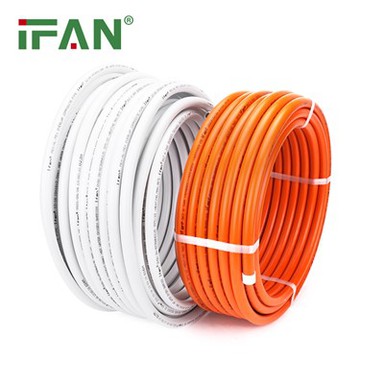

What does PPR stand for in PPR pipes?
Nov 30, 2023
PPR in PPR pipes stands for Polypropylene Random Copolymer. This term describes the specific type of polymer material used to manufacture these pipes, and it highlights several key characteristics:
**1. Polypropylene (PP)**:
- This is the base material used in the production of PPR pipes. Polypropylene is a thermoplastic polymer known for its strength, chemical resistance, and versatility.
**2. Random Copolymer**:
- The term 'random copolymer' refers to the molecular structure of the polypropylene. In PPR, polypropylene is combined with random chains of ethylene molecules. This copolymerization process enhances the material's physical properties, such as increased flexibility, improved impact resistance, and better thermal stability compared to standard polypropylene.
**3. Implications for Use**:
- The composition of PPR makes these pipes suitable for a wide range of applications. They are commonly used in hot and cold water plumbing systems, heating systems, and in the transport of various chemicals, owing to their durability, resistance to high temperatures, and minimal reactivity with most chemicals.
**4. Advantages**:
- PPR pipes offer several advantages, including ease of installation, long service life, resistance to corrosion and scaling, and low maintenance requirements. Their suitability for both hot and cold water systems makes them a versatile choice for residential and commercial plumbing.
**5. Environmental and Health Considerations**:
- PPR is also recognized for being eco-friendly and safe for potable water systems, as it does not leach harmful substances.
In summary, PPR in PPR pipes stands for Polypropylene Random Copolymer, indicating the material's unique composition and properties that make it suitable for a variety of plumbing applications. At IFAN, we utilize this material to manufacture pipes that meet high standards of quality, performance, and safety.