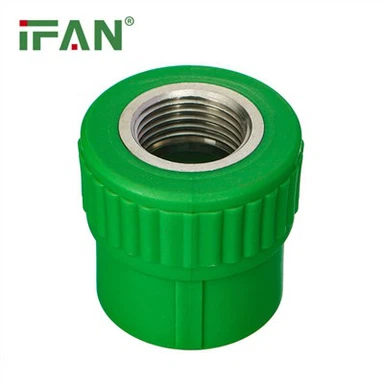

What safety measures should be considered when working with PPR fittings?
Dec 07, 2023
As an IFAN representative, I would highlight the following safety measures when working with PPR fittings:
Proper Training: Ensure personnel are trained in PPR fitting installation techniques and safety protocols.
Use of Appropriate Tools: Utilize specific tools designed for PPR fitting installation to avoid damage and ensure proper connections.
Personal Protective Equipment (PPE): Wear appropriate PPE such as gloves, goggles, and masks to protect against cuts, burns, and fume inhalation.
Secure Working Environment: Maintain a clean, well-lit, and organized workspace to prevent accidents.
Temperature Caution: Be cautious when using heat fusion tools; overheating can damage fittings and underheating can lead to weak joints.
Proper Ventilation: Ensure adequate ventilation when working indoors to avoid inhaling toxic fumes from heating tools.
Avoiding Contamination: Keep fittings clean and free from contaminants to ensure a secure and hygienic connection.
Regular Tool Maintenance: Regularly inspect and maintain installation tools to ensure they are in good working condition.
Compliance with Standards: Adhere to all relevant standards and regulations for PPR fitting installation.
Emergency Procedures: Have clear emergency procedures in place in case of accidents or injuries.
These measures are vital for the safety of personnel and the integrity of the PPR piping system.