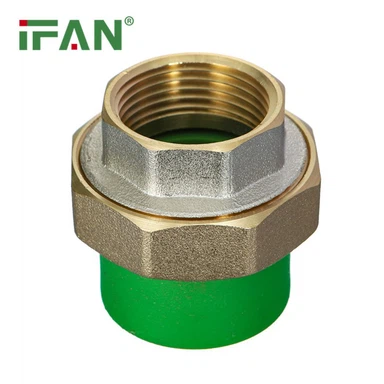

Why High-Rise Buildings Prefer Plastic PPR Fittings for Water Supply and Drainage
Mar 04, 2025
Introduction to PPR Fittings in High-Rise Buildings
High-rise buildings present unique challenges for water supply and drainage systems, including high pressure, temperature fluctuations, and complex layouts. Plastic PPR (polypropylene random copolymer) fittings have become a preferred choice due to their durability, ease of installation, and cost-effectiveness. This article explores the reasons behind the growing preference for PPR fittings in high-rise buildings, highlighting their advantages and applications.
Superior Pressure and Temperature Resistance
PPR fittings are designed to withstand high pressure and temperature, making them ideal for high-rise buildings. With pressure ratings up to PN25 (25 bar or 363 psi), PPR fittings can handle the static pressure from tall water columns. For example, in a 30-story residential building, PPR fittings ensure reliable water supply to upper floors without leaks or failures. Their ability to operate at temperatures up to 95°C (203°F) also makes them suitable for hot water systems. IFAN PPR Pipe Fittings are not only compliant with the ISO 15874 series standards but also adhere to a broad range of international standards, including EN 15874, ASTM F2389, DIN 8077/8078, GB/T 18742, and NBR 15884. This extensive compatibility ensures that IFAN products meet the highest quality and performance requirements across various global markets, providing reliable solutions for diverse plumbing and piping applications.

Lightweight and Easy Installation
The lightweight nature of PPR fittings simplifies transportation and installation in high-rise buildings. Unlike metal fittings, PPR fittings do not require heavy machinery or welding, reducing labor costs and installation time. For instance, in a high-rise construction project, PPR fittings can be quickly installed using heat fusion, minimizing disruptions and speeding up project completion. Their flexibility also allows for easy routing around obstacles, reducing the need for additional fittings.
Corrosion and Chemical Resistance
High-rise buildings often face challenges related to water quality and chemical exposure. PPR fittings are highly resistant to corrosion, scale buildup, and chemical damage, ensuring long-term performance. For example, in a coastal high-rise building, PPR fittings resist saltwater corrosion, unlike metal fittings that may degrade over time. Their smooth interior surface also prevents mineral deposits, maintaining water flow efficiency.
Cost-Effectiveness and Long-Term Savings
PPR fittings offer significant cost advantages over traditional materials like copper or steel. Their lower material and installation costs make them an economical choice for high-rise projects. Additionally, their durability and low maintenance requirements result in long-term savings. In a commercial high-rise building, using PPR fittings can reduce lifecycle costs by minimizing repairs and replacements. Their energy efficiency also lowers pumping costs, further enhancing their financial benefits. IFAN factory 30+ years manufacture experience support color /size customization support free sample.Welcome to consult for catalog and free samples.This is our Facebook Website:www.facebook.com,Click to watch IFAN's product video.Our IFAN products from quality to price are your best choice, welcome to buy!

Environmental and Safety Benefits
PPR fittings are environmentally friendly and safe for use in high-rise buildings. The material is non-toxic and does not release harmful chemicals, ensuring the safety of drinking water. Additionally, PPR is recyclable, contributing to sustainable construction practices. In a green building project, PPR fittings align with eco-friendly goals by reducing waste and promoting energy efficiency. Their leak-proof design also enhances safety by preventing water damage and potential hazards.
Conclusion
Plastic PPR fittings are increasingly favored in high-rise buildings for their superior pressure and temperature resistance, ease of installation, and cost-effectiveness. Their corrosion resistance, durability, and environmental benefits make them an ideal choice for modern water supply and drainage systems. By understanding the advantages of PPR fittings, architects and engineers can design efficient and sustainable high-rise buildings that meet the demands of urban development. As the construction industry continues to prioritize reliability and sustainability, PPR fittings will play a crucial role in shaping the future of high-rise infrastructure.