

Brass Fittings Resist Corrosion And Wear
May 28, 2026
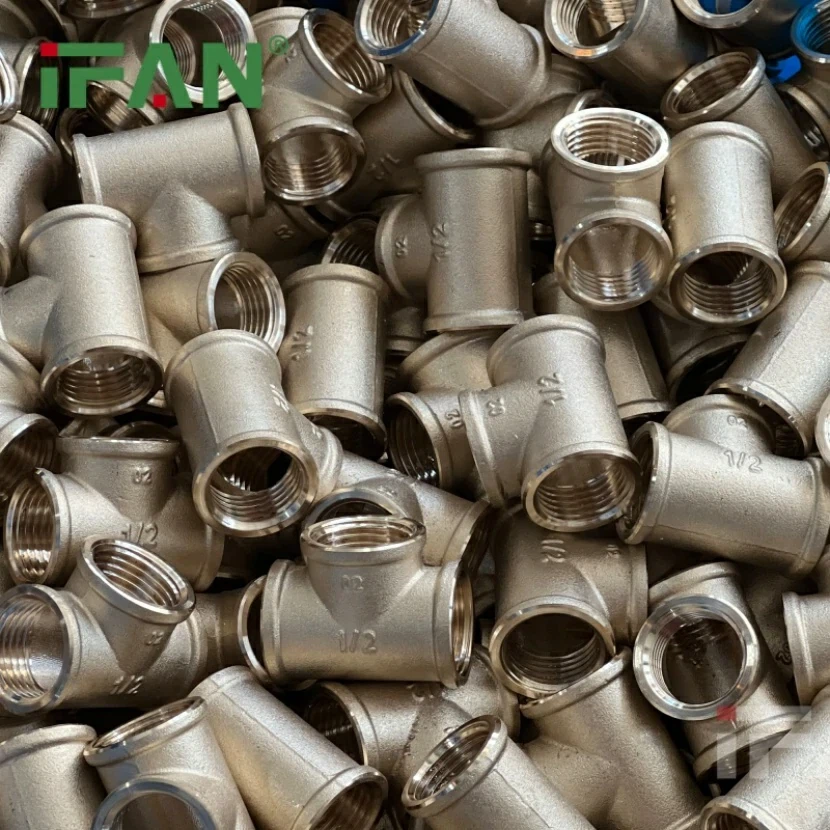
Introduction to Brass Fittings
Brass fittings are a popular choice in plumbing, heating, and industrial piping systems due to their exceptional durability and reliability. Made from a copper and zinc alloy, brass combines strength with resistance to corrosion and wear, making it ideal for long-term use. These fittings are designed to maintain structural integrity under constant water flow, pressure fluctuations, and varying temperatures. One of the key reasons for their widespread adoption is their ability to resist corrosion and mechanical wear, ensuring consistent performance over time.
Corrosion Resistance
Corrosion is a common problem in piping systems, particularly in water supply networks where metal components are exposed to moisture and minerals. Brass naturally resists oxidation and chemical reactions that can degrade other metals like iron or steel. This property prevents rust formation and reduces the buildup of scale inside the pipe, which could otherwise restrict water flow. Corrosion resistance ensures that brass fittings continue to function effectively, maintaining a secure seal and preventing leaks, even in challenging environments with varying water quality.
Wear Resistance and Mechanical Strength
In addition to corrosion resistance, brass fittings exhibit excellent wear resistance. The alloy's mechanical strength allows it to withstand repeated pressure cycles, vibrations, and physical stress without deforming or cracking. Unlike plastic or softer metal fittings that may weaken over time, brass maintains its shape and integrity, ensuring long-term reliability. This durability is crucial for systems subjected to high water pressure or frequent use, where joints and connections can otherwise become points of failure.
Longevity and Low Maintenance
The combination of corrosion and wear resistance directly contributes to the long lifespan of brass fittings. They require minimal maintenance, as they are less likely to develop leaks or need replacement compared to other materials. This reliability reduces system downtime and repair costs, making brass fittings a cost-effective solution in the long run. In both residential and industrial settings, this durability ensures that plumbing and piping systems continue to operate efficiently for years without major issues.
Conclusion
Brass fittings resist corrosion and wear, making them a durable and reliable choice for modern piping systems. Their natural resistance to rust, combined with mechanical strength, ensures long-term performance and minimal maintenance. By providing secure, leak-free connections over extended periods, brass fittings remain a preferred solution for engineers, contractors, and homeowners who prioritize longevity and system reliability.


