

HDPE Pipe Fittings Offer Superior Chemical Resistance
May 28, 2026
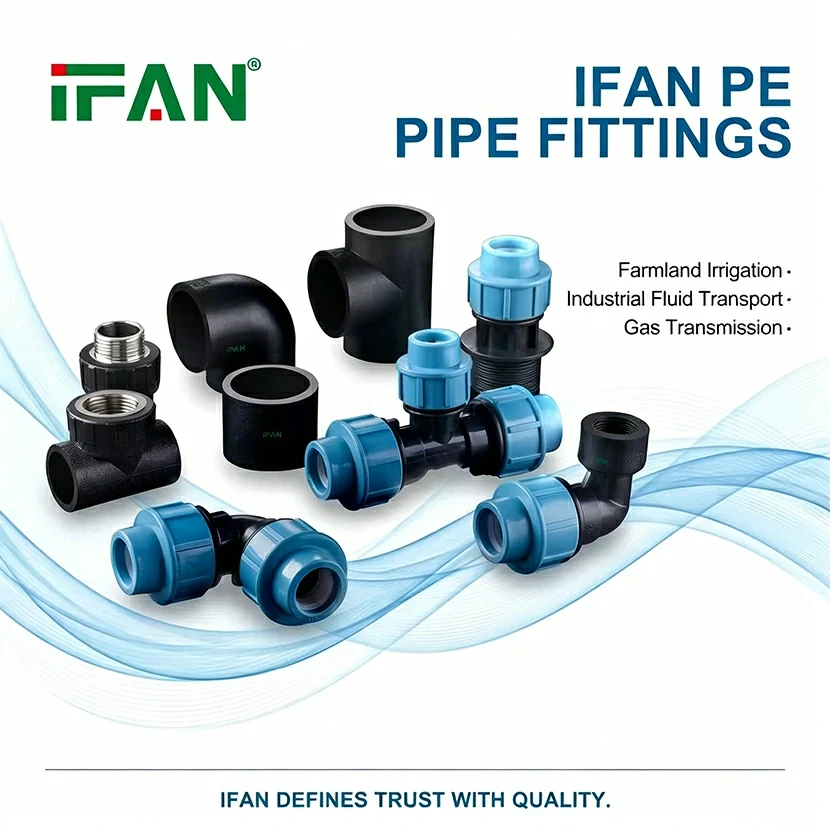
Introduction to HDPE Pipe Fittings
High-Density Polyethylene (HDPE) pipe fittings have become an essential component in modern piping systems, particularly in industries where chemical exposure is a concern. Known for their durability, flexibility, and ease of installation, HDPE fittings provide a reliable solution for handling fluids safely. One of the most significant advantages of these fittings is their superior resistance to a wide range of chemicals. This property ensures that pipelines remain safe, efficient, and long-lasting, even in challenging industrial environments.
Resistance to Corrosive Chemicals
A primary factor behind the chemical resistance of HDPE pipe fittings is the inherent nature of the material. Unlike metal fittings, which can corrode or degrade when exposed to acids, bases, or other reactive chemicals, HDPE remains unaffected. This makes it ideal for transporting corrosive liquids without the risk of leaks or structural failures. In chemical processing plants, wastewater treatment facilities, and industrial water systems, HDPE fittings ensure that pipelines maintain integrity and operational efficiency over extended periods.
Protection Against Contamination
HDPE's chemical resistance also helps maintain the purity and safety of the transported fluids. Since the material does not react with chemicals or release harmful substances, it prevents contamination that could compromise industrial processes or water quality. This property is especially important in food processing, pharmaceutical, and water supply applications, where even minor chemical interactions can lead to safety concerns. Using HDPE fittings ensures consistent chemical compatibility and maintains the integrity of the fluid system.
Durability Under Harsh Conditions
In addition to chemical resistance, HDPE pipe fittings are known for their durability under harsh environmental and mechanical conditions. They can withstand fluctuating pressures, temperature changes, and external stresses without compromising their chemical performance. This combination of strength and chemical stability allows HDPE fittings to deliver long-term reliability, reducing maintenance needs and minimizing the risk of pipeline failures in industrial settings.
Conclusion
HDPE pipe fittings offer superior chemical resistance, making them an ideal choice for industries handling corrosive or reactive fluids. Their ability to prevent corrosion, contamination, and degradation ensures that pipelines remain safe, durable, and efficient over time. Combined with their flexibility and mechanical strength, HDPE fittings provide a reliable, cost-effective solution for modern industrial and water systems, supporting long-lasting and trouble-free operations.


