

HDPE Pipe Fittings Support Durable Water Pipelines
May 28, 2026
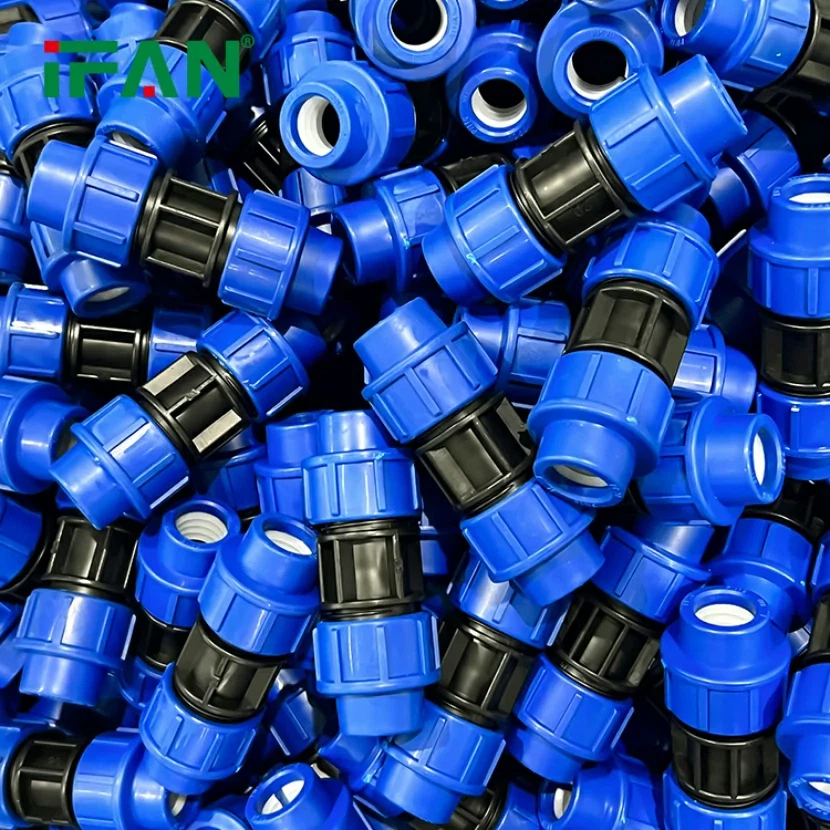
Introduction to HDPE Pipe Fittings
HDPE (High-Density Polyethylene) pipe fittings have become a preferred solution for constructing durable water pipelines. Known for their strength, flexibility, and chemical resistance, these fittings provide reliable connections that can withstand the demands of both residential and industrial water systems. Unlike traditional metal fittings, HDPE fittings are lightweight and easier to handle while maintaining a high level of durability. Their ability to support long-lasting pipeline performance makes them an essential component in modern water infrastructure.
Corrosion and Chemical Resistance
A major factor that contributes to the durability of water pipelines with HDPE fittings is their resistance to corrosion and chemical damage. Metal fittings can rust or degrade over time, particularly in environments with hard water or aggressive chemicals. HDPE, on the other hand, is chemically inert and does not corrode, ensuring that pipelines maintain their structural integrity. This property also prevents contamination of water supply, making HDPE fittings ideal for potable water systems and long-term infrastructure projects.
Strength and Flexibility
HDPE pipe fittings combine strength with flexibility, allowing them to handle pressure fluctuations and external stresses without cracking or failing. Their ability to absorb minor ground movements or vibrations reduces the risk of joint failure, which is a common issue in rigid piping systems. This mechanical resilience ensures that water pipelines remain operational under a variety of conditions, from seasonal soil shifts to high-pressure distribution networks, contributing to overall system reliability.
Leak-Free and Reliable Connections
Another reason HDPE fittings support durable water pipelines is their excellent sealing capability. Using methods such as heat fusion or mechanical compression, HDPE fittings create leak-free connections that maintain integrity over time. Unlike some traditional fittings that may loosen or degrade, HDPE joints remain secure even after years of continuous use. This reliability reduces maintenance needs and minimizes potential water loss, supporting efficient pipeline operation over the long term.
Conclusion
HDPE pipe fittings play a crucial role in supporting durable water pipelines. Their corrosion resistance, chemical stability, mechanical strength, and leak-free connections ensure long-lasting performance and reliability. By reducing maintenance needs and protecting water quality, HDPE fittings offer an effective, cost-efficient solution for modern water distribution systems, making them a preferred choice for engineers and infrastructure planners worldwide.


