
HDPE Pipe Fittings Simplify Industrial Pipeline Installation
May 28, 2026
Introduction to HDPE Pipe Fittings
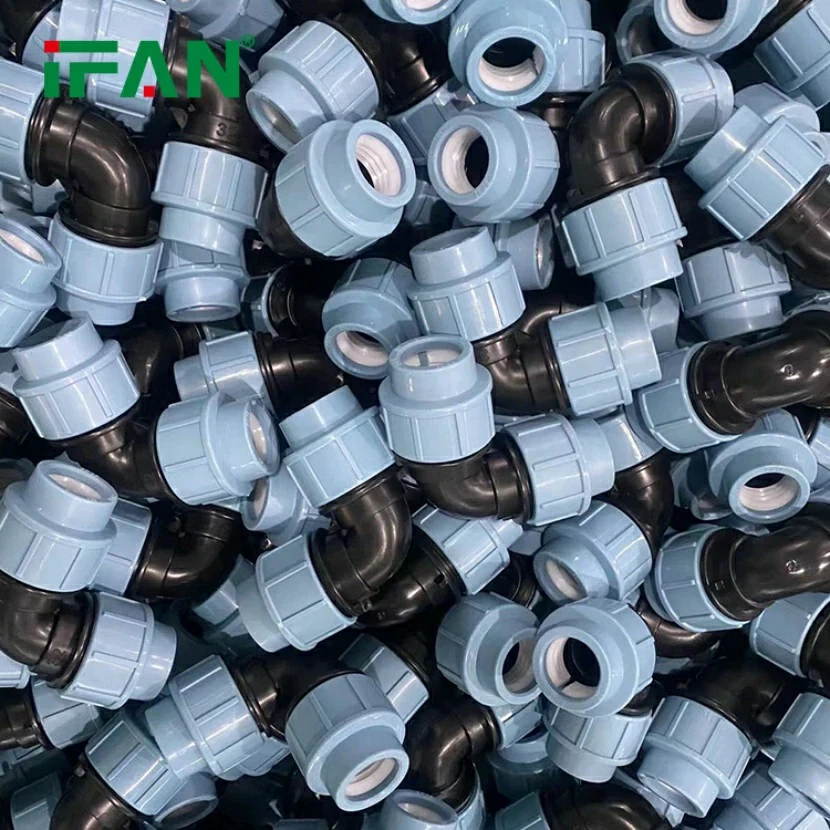
HDPE (High-Density Polyethylene) pipe fittings have become a popular choice in industrial pipeline installations due to their durability, flexibility, and ease of use. Designed to connect HDPE pipes securely, these fittings allow for efficient assembly without the complexities associated with metal piping systems. Their combination of strength and adaptability makes them ideal for industrial environments where time, precision, and reliability are critical. One of the main benefits of HDPE fittings is how they simplify the overall installation process while maintaining robust performance.
Easy and Efficient Installation
One of the key advantages of HDPE pipe fittings is the simplicity of their installation. Unlike metal fittings that may require welding, threading, or specialized tools, HDPE fittings can be joined using techniques such as heat fusion or mechanical compression. These methods reduce installation time and minimize the risk of errors, allowing pipelines to be assembled quickly and accurately. For industrial projects where large-scale pipelines need to be installed under tight schedules, this efficiency translates into significant labor and cost savings.
Flexibility and Adaptability
HDPE pipe fittings are highly flexible, which allows them to accommodate minor misalignments or shifts during installation. This flexibility simplifies the connection of pipes in complex or uneven industrial layouts, reducing the need for additional adapters or elbows. By adapting easily to pipeline geometry, HDPE fittings help streamline the installation process, especially in environments with space constraints or irregular surfaces. This adaptability also reduces stress on the joints, contributing to long-term system reliability.
Reduced Risk of Leaks and Failures
Another factor that simplifies pipeline installation is the reliable sealing provided by HDPE fittings. Their precise manufacturing and strong connection methods create leak-proof joints that do not require frequent adjustments. This reduces the need for post-installation inspection or maintenance, which can be costly and time-consuming in industrial settings. The secure connections offered by HDPE fittings ensure that pipelines are operational immediately after installation, supporting uninterrupted industrial operations.
Long-Term Efficiency
In addition to simplifying installation, HDPE pipe fittings support long-term efficiency. Their resistance to corrosion, chemicals, and mechanical stress ensures that pipelines maintain their integrity over time. Industrial operators can rely on HDPE systems to deliver consistent performance with minimal maintenance, reducing downtime and operational costs. This combination of installation ease and long-term reliability makes HDPE fittings an ideal choice for modern industrial piping systems.
Conclusion
HDPE pipe fittings simplify industrial pipeline installation by offering easy assembly, flexibility, and reliable sealing. Their adaptability to complex layouts and resistance to long-term wear reduces both installation challenges and maintenance needs. For industrial projects requiring efficient, dependable, and durable piping systems, HDPE fittings provide a practical and cost-effective solution.