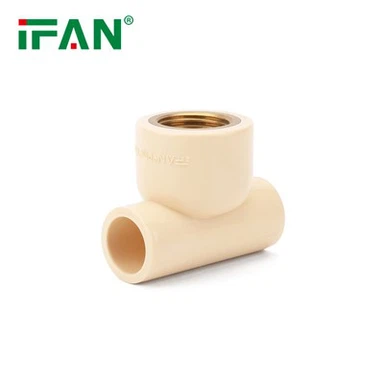

Application Cases of PE Fittings in Environmental Engineering
Mar 28, 2025
Introduction: The Role of PE Fittings in Environmental Engineering
Polyethylene (PE) fittings have become a cornerstone in environmental engineering due to their versatility, durability, and eco-friendly properties. These fittings are widely used in projects aimed at protecting and preserving the environment, such as wastewater treatment, stormwater management, and renewable energy systems. Their resistance to corrosion, flexibility, and ease of installation make them ideal for addressing the unique challenges of environmental engineering. This article explores the application of PE fittings in various environmental projects, highlighting their contributions to sustainability and efficiency.
Case Study 1: PE Fittings in Wastewater Treatment Plants
Wastewater treatment plants rely on robust piping systems to transport and process large volumes of water and sludge. PE fittings are particularly well-suited for this application due to their resistance to chemical corrosion and abrasion. In one notable project, a municipal wastewater treatment plant upgraded its aging metal piping system with PE fittings. The new system not only reduced maintenance costs but also minimized the risk of leaks and contamination. The flexibility of PE fittings allowed for easy installation in the plant's complex layout, ensuring efficient operation and long-term reliability.
Case Study 2: Stormwater Management Systems
Stormwater management is critical for preventing flooding and protecting water quality in urban areas. PE fittings play a key role in these systems, particularly in the construction of underground drainage networks. In a large-scale urban development project, PE fittings were used to create a modular stormwater management system. Their lightweight design and ease of assembly reduced construction time and costs, while their durability ensured the system could withstand heavy rainfall and soil pressure. The project successfully mitigated flood risks and improved the city's resilience to extreme weather events.

Case Study 3: Geothermal Energy Systems
Geothermal energy systems harness the Earth's heat to provide sustainable heating and cooling solutions. PE fittings are essential components in these systems, particularly in the installation of ground-source heat pumps. In a geothermal project for a commercial building, PE fittings were used to connect the heat exchange loops buried underground. Their resistance to temperature fluctuations and chemical degradation ensured the system's efficiency and longevity. The project demonstrated how PE fittings can contribute to reducing carbon emissions and promoting renewable energy adoption.
Case Study 4: Landfill Leachate Collection Systems
Landfill leachate, the liquid that drains from waste materials, poses significant environmental risks if not properly managed. PE fittings are commonly used in leachate collection systems to transport this hazardous liquid to treatment facilities. In a landfill remediation project, PE fittings were employed to construct a durable and leak-proof piping network. Their resistance to the corrosive chemicals present in leachate ensured the system's reliability, while their smooth interior surface minimized clogging and maintenance requirements. The project effectively prevented groundwater contamination and enhanced the landfill's environmental safety.
Case Study 5: Eco-Friendly Irrigation Systems
Sustainable agriculture relies on efficient irrigation systems to conserve water and optimize crop yields. PE fittings are widely used in drip and sprinkler irrigation systems due to their flexibility and resistance to UV radiation. In a large-scale agricultural project, PE fittings were integrated into a precision irrigation system designed to minimize water waste. Their ease of installation allowed for rapid deployment across vast fields, while their durability ensured the system's performance in harsh outdoor conditions. The project demonstrated how PE fittings can support water conservation efforts and promote sustainable farming practices.
Conclusion: PE Fittings as a Catalyst for Environmental Progress
The application of PE fittings in environmental engineering projects underscores their importance in addressing global sustainability challenges. From wastewater treatment to renewable energy systems, these fittings provide reliable and eco-friendly solutions that enhance the efficiency and resilience of environmental infrastructure. Their adaptability, durability, and low environmental impact make them an indispensable tool for engineers and project managers committed to protecting the planet. As the demand for sustainable solutions continues to grow, PE fittings will remain at the forefront of innovation, driving progress in environmental engineering and contributing to a greener future.