
Brass Filter Valve Provides Durable Filtration Performance
Sep 29, 2026

|
Product Name |
Brass Filter Valve |
|
Color |
Yellow Color |
|
Size |
1/2" 3/4" |
|
Brand |
IFAN or Customized |
|
OEM |
Support |
|
Sample |
Free |
|
Experience |
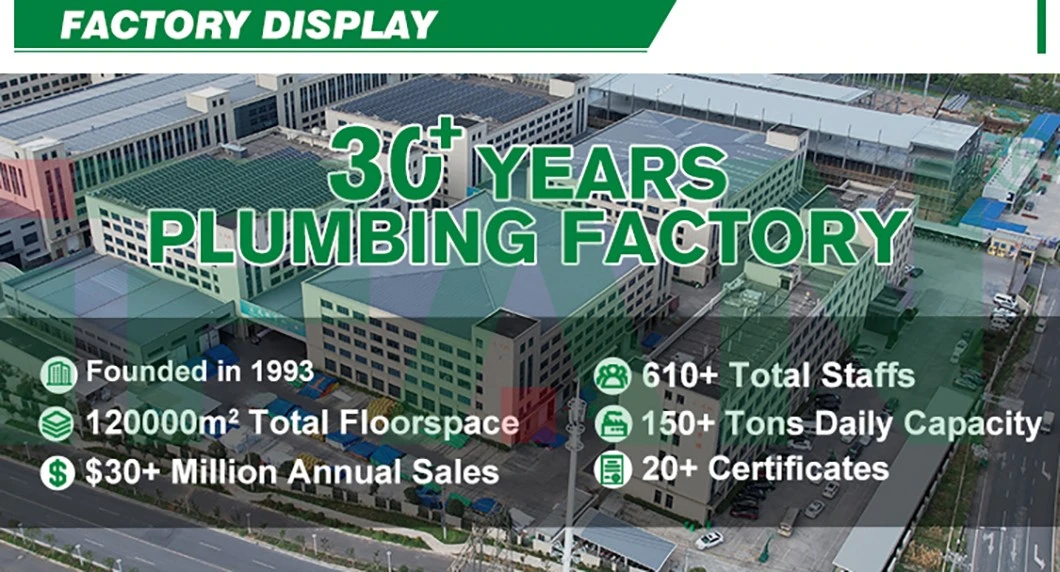
30+Years |
|
Contact Us |
Welcome to contact IFAN, we are online 24 hours a day to answer your questions!
Reliable Construction for Continuous Filtration
Filtration equipment must withstand repeated operation while maintaining consistent performance. In water supply systems, heating installations, and industrial pipelines, a filter valve encounters pressure changes, fluid movement, and frequent contact with suspended particles. Its construction directly affects how well it performs under these conditions.
A brass filter valve uses a brass body to support the internal filtering element and maintain a secure connection with the pipeline. Brass offers useful mechanical strength and corrosion resistance in many suitable service environments. These properties help the valve maintain its structural integrity during normal operation.
The quality of the complete assembly also matters. The filter screen, sealing components, threaded connections, and internal passages must work together effectively. A strong body cannot compensate for an unsuitable filter element or poorly fitted seals.
Manufacturers should therefore select materials and production processes according to the intended application. Proper machining, accurate threading, and consistent assembly help reduce potential leakage and fitting problems. When these details receive appropriate attention, the valve can provide dependable filtration throughout its intended service life.
Maintaining Performance Under Operating Pressure
Pipeline systems rarely operate under perfectly constant conditions. Pumps start and stop, flow rates change, and pressure can fluctuate during daily use. A filtration component must accommodate the specified operating conditions without compromising its structure or connections.
A properly designed brass filter valve provides a stable housing for the filtering element. Its body must meet the required pressure rating and withstand the mechanical loads associated with the installation. Correctly manufactured connections also help maintain a reliable seal between the valve and adjacent pipes.
Installation practices influence performance as well. Excessive tightening can damage threads or sealing surfaces, while misalignment may place unnecessary stress on the valve body. Following the manufacturer's installation instructions helps avoid these problems.
The selected valve should always match the system's maximum working pressure and temperature. Pressure surges may require additional consideration, particularly in installations with pumps or rapidly closing valves. Suitable system design, rather than the valve alone, determines whether the complete pipeline operates safely and consistently.
Resistance to Corrosion and Material Degradation
Moisture and continuous fluid contact can affect pipeline components over time. Material selection becomes especially important when a valve operates in environments with varying water chemistry or changing temperatures.
Brass provides useful resistance to corrosion in many common water and plumbing applications. However, its performance depends on the alloy composition and the properties of the fluid passing through it. Certain water conditions can cause dezincification in susceptible brass alloys, potentially weakening the material.
For this reason, buyers should evaluate the specific brass grade rather than assume that every brass valve offers identical protection. Applications involving potable water may also require compliance with relevant material regulations and certifications.
External conditions deserve attention too. Humidity, chemical exposure, and unsuitable cleaning agents can affect exposed surfaces and nearby components. Selecting compatible materials and avoiding aggressive operating environments can help preserve the valve's condition.
When the material suits the application, the valve can maintain its mechanical function without requiring frequent replacement caused by preventable degradation.
Protecting the Filtering Element During Service
Long-term filtration performance depends on more than the valve body. The filtering element must retain its shape, capture particles effectively, and remain accessible for inspection.
As contaminants accumulate, the filter screen may experience increasing flow resistance. If operators ignore this buildup, the system can experience reduced flow or a growing pressure difference across the filter. Regular inspection helps identify these changes before they significantly affect operation.
A serviceable brass filter valve allows technicians to access the filtering element according to the product's design. Cleaning or replacing the screen when necessary helps restore the intended filtration performance. Technicians should isolate the pipeline and release pressure before opening the assembly.
The filter mesh must also suit the expected particle size and required flow rate. An unnecessarily fine screen may demand more frequent cleaning, while a coarse screen may allow unwanted particles to pass through.
Extending Practical Service Life Through Proper Selection
Choosing the correct brass filter valve helps reduce avoidable wear and maintenance problems. Buyers should examine connection dimensions, pressure ratings, temperature limits, filtration specifications, and material compatibility before purchasing.
Manufacturing quality deserves equal consideration. Consistent dimensions, reliable sealing surfaces, and a properly fitted filter element contribute to dependable operation. Clear maintenance instructions can also help installers and operators care for the product correctly.
A brass filter valve provides durable filtration performance when its materials, construction, and operating conditions work together. With suitable selection, correct installation, and timely cleaning, it can maintain effective particle removal and support reliable pipeline operation over an extended service period.