
Brass Filter Valve Supports Industrial Water Systems
Sep 29, 2026

|
Product Name |
Brass Filter Valve |
|
Color |
Yellow Color |
|
Size |
1/2" 3/4" |
|
Brand |
IFAN or Customized |
|
OEM |
Support |
|
Sample |
Free |
|
Experience |
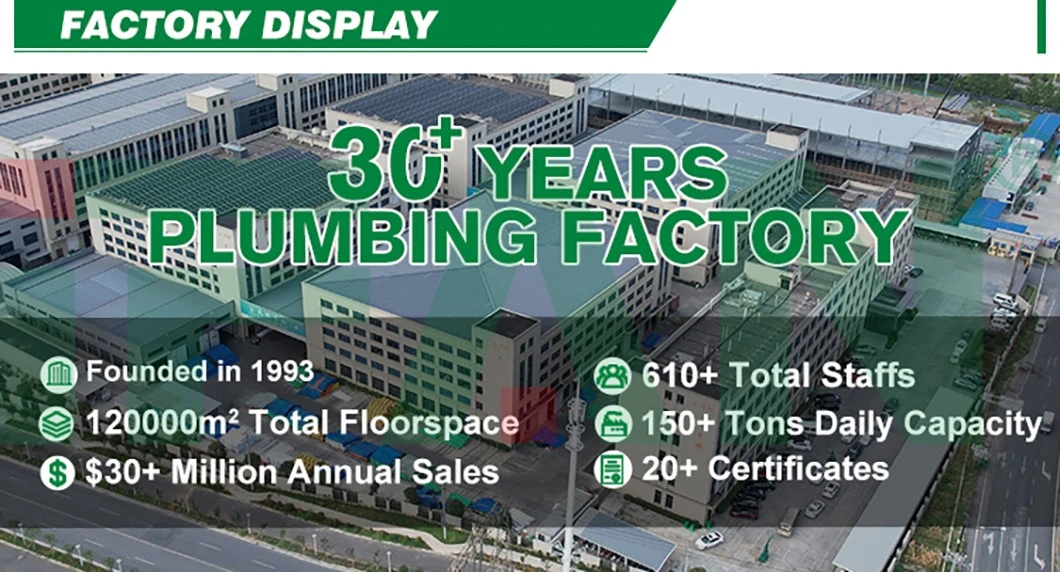
30+Years |
|
Contact Us |
Welcome to contact IFAN, we are online 24 hours a day to answer your questions!
Managing Solid Particles in Industrial Water
Industrial water systems often handle large volumes of fluid across multiple processing stages. During operation, suspended solids can enter pipelines from incoming water, storage tanks, corrosion, maintenance work, or surrounding equipment. If these particles circulate freely, they may reach components that require relatively clean water.
A brass filter valve provides a mechanical filtration point within the pipeline. Its internal filter element allows water to pass while retaining particles according to the selected mesh specification. This simple separation process can help control sediment before it moves into downstream sections.
Industrial facilities may use filtration points near pumps, control equipment, meters, heat exchangers, and other components. The appropriate installation position depends on the system layout and the type of contamination being managed.
The filter does not eliminate every form of water contamination. Dissolved substances and microorganisms require different treatment methods. Therefore, a brass filter valve should be considered one part of a broader water management system when industrial water quality requires additional treatment.
Supporting Stable Industrial Water Flow
Consistent water flow is important in many industrial processes. Changes in flow can affect cooling, cleaning, processing, or equipment operation. Accumulated sediment may contribute to restricted passages and interfere with expected flow conditions.
A filter valve can intercept suitable solid particles before they travel deeper into the system. By reducing the amount of debris entering downstream components, it can help limit particle accumulation in smaller passages.
However, filtration itself creates some resistance to flow. The pressure loss depends on factors such as filter mesh size, screen area, fluid velocity, and the amount of accumulated debris. Selecting a suitable filter size is therefore essential.
Industrial designers should consider the expected flow rate when specifying the valve. A larger filtration area may provide more available passage space, while a finer screen may capture smaller particles. The final selection should balance filtration requirements with the hydraulic conditions of the system.
Protecting Industrial Water Equipment
Industrial water networks often connect multiple types of equipment. Pumps move water through the system, valves regulate flow, and meters monitor operating conditions. Some components contain narrow internal passages that can be affected by suspended solids.
Placing a brass filter valve upstream of selected equipment can reduce the quantity of debris entering these components. For example, particles that might otherwise accumulate around valve seats or small passages can be retained by the filter screen.
The filter can also provide a convenient inspection point for evaluating the amount of solid material present in the water. During scheduled maintenance, technicians can examine the removed debris and identify changes in contamination levels.
This information may help maintenance teams determine whether cleaning intervals need adjustment. It can also reveal potential upstream sources of sediment that require further investigation.
Simplifying Industrial Water Maintenance
Maintenance planning is particularly important in industrial environments because unexpected interruptions can affect production schedules. A filter valve with an accessible filtering element can make routine inspection and cleaning more manageable.
When the filter screen becomes loaded with debris, pressure across the valve may increase. Operators can monitor relevant system conditions and clean the element when necessary. Before servicing, the pipeline should be isolated and depressurized according to established safety procedures.
The cleaning method depends on the specific valve design. Some screens can be removed and cleaned, while others may require replacement. Manufacturers' instructions should always guide maintenance procedures.
Installation also affects serviceability. Technicians should have enough working space to access the filter housing without removing unrelated equipment. Proper placement can make future maintenance considerably more convenient.
Selecting Brass Filter Valves for Industrial Applications
Industrial water systems vary significantly in pressure, temperature, flow rate, and water quality. A brass filter valve should therefore be selected according to the actual operating environment rather than general assumptions.
Important factors include connection size, pressure rating, filtration accuracy, screen material, brass alloy, temperature range, and maintenance requirements. Compatibility with the fluid should also be confirmed before installation.
The valve should be installed in the correct flow direction and connected using suitable fittings and sealing methods. Incorrect installation can affect both filtration and overall pipeline performance.
When properly specified and maintained, a brass filter valve provides a practical method for controlling suspended particles in industrial water pipelines. It supports cleaner downstream flow, helps protect connected equipment, and provides an accessible point for routine filtration maintenance. These functions make it a useful component within appropriately designed industrial water systems.