

Brass Press Fitting Installation Steps and Techniques
Mar 19, 2025
Introduction
Brass press fittings have become increasingly popular in industrial, plumbing, and HVAC systems due to their ease of installation, reliability, and corrosion resistance. They eliminate the need for soldering, threading, or welding, making them a preferred choice for many professionals. This guide will provide a comprehensive overview of the installation steps and techniques for brass press fittings, ensuring a secure and leak-free connection.
Preparation and Safety Measures
Sub-heading: Safety First
Before initiating the installation process, it is crucial to take necessary safety precautions. Wear protective gloves to avoid cuts and burns, safety goggles to shield your eyes from debris, and hearing protection if you are using power tools. Ensure that the workspace is well-lit and free of obstacles. Additionally, verify that all tools and equipment are in good working condition. Have a fire extinguisher handy in case of any unexpected sparks or flames.
Material Preparation:
Gather all required materials, including brass press fittings, press rings, press jaws or tool, tubing cutter, deburring tool, tubing cleaner, and lubricant specifically designed for press fittings. Measure and cut the tubing to the desired length, ensuring accurate dimensions to fit the system layout. Use a tubing cutter for clean, burr-free cuts. After cutting, deburr the ends of the tubing to prevent damage to the O-rings or seals within the fitting.
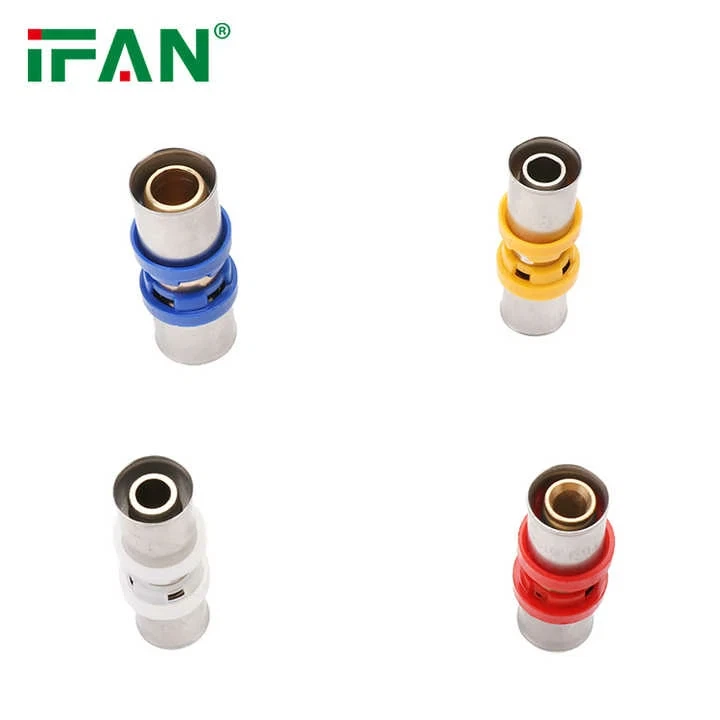
Tubing Preparation
Sub-heading: Clean and Lubricate
Cleaning the tubing is essential to remove any contaminants that could compromise the seal. Use a tubing cleaner or a suitable solvent to thoroughly clean the inside and outside surfaces of the tubing where it will mate with the fitting. After cleaning, apply a small amount of press fitting-specific lubricant to the outside of the tubing and the inside of the fitting. This lubricant helps the press ring seat properly and reduces friction during the pressing process.
Assembly of Brass Press Fitting
Sub-heading: Proper Alignment
Slide the press ring onto the tubing before inserting it into the fitting. Ensure the ring is fully seated and not twisted or cocked. Insert the tubing fully into the fitting until it bottoms out. Verify that the fitting is correctly oriented and aligned with the tubing. Misalignment can lead to improper seating of the press ring and potential leaks.
Pressing the Fitting
Sub-heading: Using the Press Tool
The pressing process is critical and requires the use of a dedicated press tool designed for the specific size and type of brass press fitting being installed. Position the press jaws around the fitting and tubing, ensuring they are fully engaged. Follow the manufacturer's instructions for the press tool, applying the correct amount of force to compress the press ring. This action deforms the ring, creating a permanent, leak-tight connection between the tubing and the fitting.
Inspection and Verification:
After pressing, visually inspect the fitting for any signs of damage or improper pressing. The press ring should be evenly compressed around the tubing with no gaps or protrusions. If using a press tool with a gauge, ensure it indicates a successful press cycle. Optionally, you can perform a pressure test to verify the integrity of the connection.

Post-Installation Checks and Maintenance
Sub-heading: Ensuring Longevity
Once installed, periodically inspect the brass press fittings for any signs of wear, corrosion, or leaks. Look for any changes in the appearance of the press ring or the fitting itself. If you notice any issues, address them promptly to prevent potential system failures.
Maintaining System Integrity:
Regular maintenance, such as cleaning and lubrication of connections, can extend the lifespan of brass press fittings. Avoid using excessive force or leverage on press-fitted joints, as this can compromise their integrity. Additionally, be mindful of the environmental conditions where the fittings are installed, as extreme temperatures or corrosive environments can accelerate wear and degradation.
Conclusion
Installing brass press fittings correctly requires meticulous preparation, careful assembly, and precise pressing techniques. By following the steps outlined in this guide, you can ensure that your brass press fittings provide reliable, leak-free performance in various industrial and plumbing applications. Always refer to the manufacturer's instructions for specific requirements and safety guidelines, and consider consulting a professional if you are unsure about any aspect of the installation process. With proper installation and maintenance, brass press fittings can offer a durable and efficient solution for fluid transmission systems.


