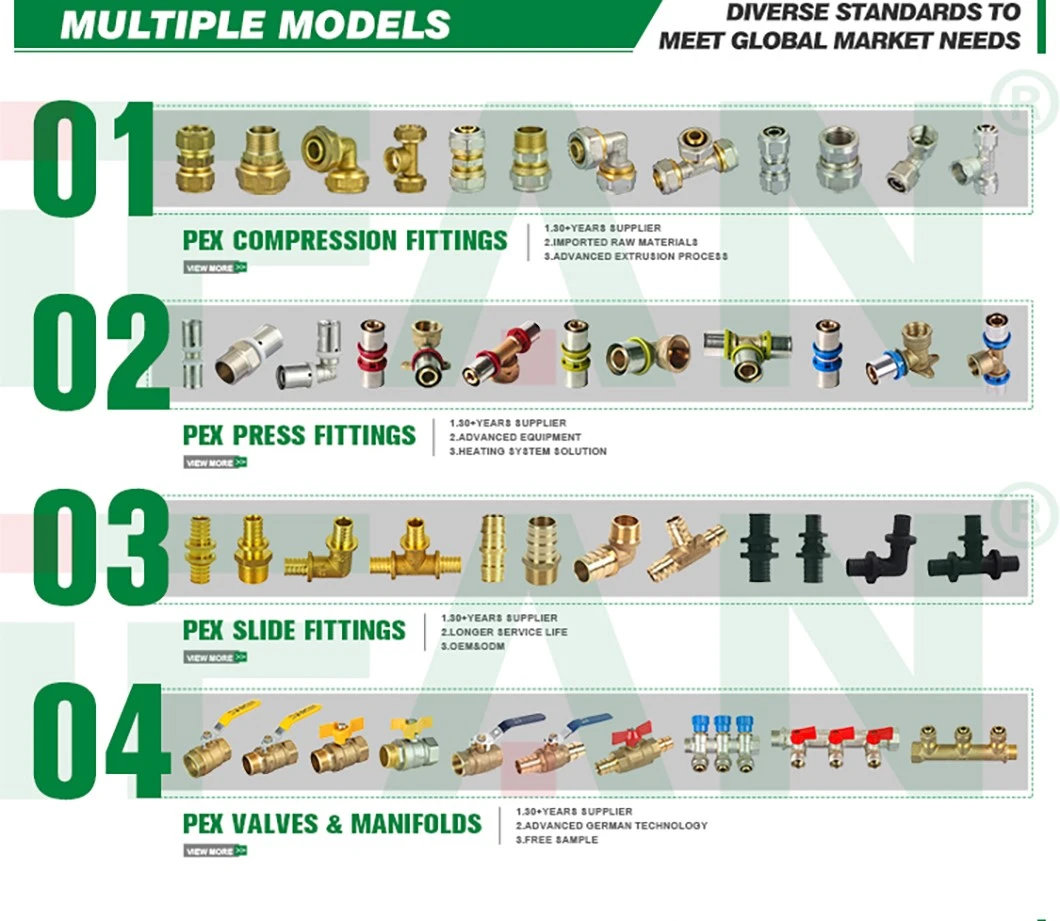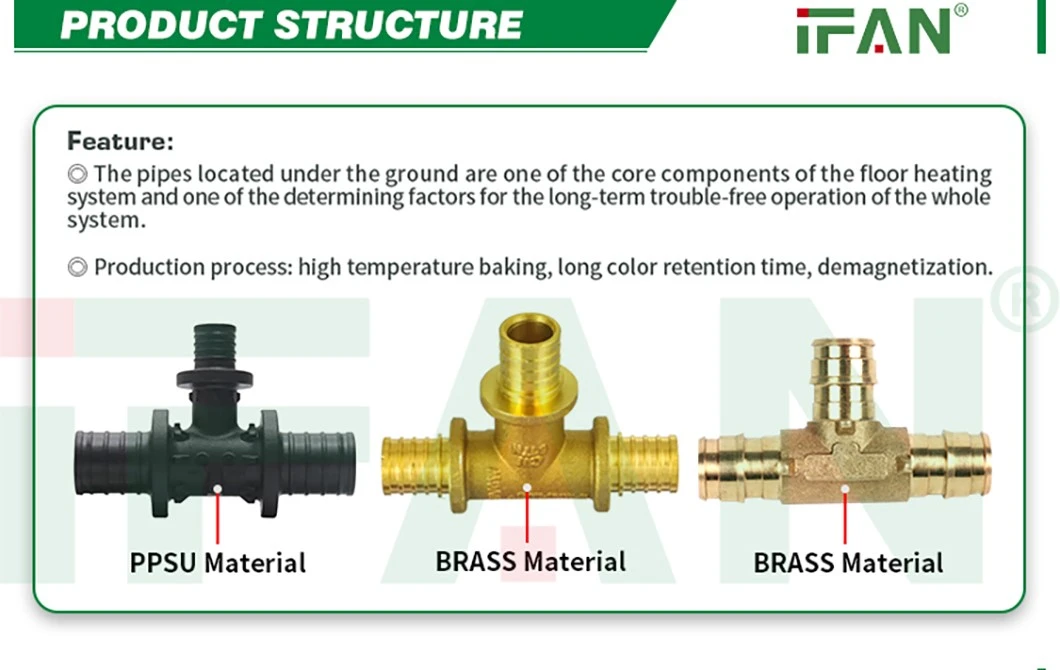

Brass Slide Fittings Ensure Reliable Connections
Sep 29, 2026

|
Product Name |
Brass Slide Fittings |
|
Color |
Yellow Color |
|
Size |
16-32mm |
|
Brand |
IFAN or Customized |
|
OEM |
Support |
|
Sample |
Free |
|
Experience |
30+Years |
|
Contact Us |
Welcome to contact IFAN, we are online 24 hours a day to answer your questions!
Building Dependable Joints
A piping system depends on hundreds of small connection points to maintain proper operation. Each joint must handle the pressure, movement, and environmental conditions expected during service. A connection that is poorly assembled can create leakage, instability, or repeated maintenance work.
Brass slide fittings provide a practical joining solution for compatible pipes and tubing. Their brass construction offers mechanical strength, while the slide-style design can help installers establish the desired connection position before completing the joint. This combination can support consistent assembly across different plumbing layouts.
Connection reliability begins with compatibility. The fitting must correspond to the pipe diameter, connection method, and application requirements. Using a fitting outside its specified conditions can affect the performance of the entire joint.
Proper preparation is equally important. Pipe ends should be clean, correctly sized, and free from visible damage. When the components are prepared according to the manufacturer's instructions, the fitting can establish a more controlled connection.
Maintaining Joint Stability
A reliable connection should remain stable while fluid moves through the pipeline. Pressure changes can place repeated loads on joints, especially when pumps start, stop, or change operating conditions.
The position of a slide fitting can influence how these forces are transferred through the connected pipes. Accurate positioning helps prevent unnecessary bending at the joint. It also allows installers to establish a cleaner pipe route before securing the fitting.
Pipe support plays an important supporting role. A connection should not carry the weight of a long unsupported pipe section. Proper brackets, clamps, and other support methods can distribute mechanical loads across the system.
Vibration should also be considered where pumps or other mechanical equipment operate nearby. Excessive movement can gradually affect connection components. The overall pipeline should therefore be designed to control movement rather than relying on one fitting to absorb repeated mechanical forces.
Supporting Consistent Sealing
Sealing quality has a direct relationship with connection reliability. Even a mechanically strong fitting can leak if the sealing components are incorrectly installed or damaged.
Different slide fitting designs may use different sealing arrangements. Installers should identify the correct sealing method before assembly and use compatible sealing components. The sealing surface should remain clean during installation.
A seal that is twisted, contaminated, or improperly positioned may create an uneven contact area. This can increase the possibility of leakage after the system becomes pressurized.
Tightening also requires attention. More force does not automatically produce a better connection. Excessive tightening can damage threads or sealing components, while insufficient tightening may prevent proper engagement.
Following the recommended assembly procedure provides a more consistent result. After installation, the completed joint should be inspected and tested according to the requirements of the plumbing system.
Handling Everyday Operating Conditions
Piping connections encounter different conditions depending on their application. Cold-water systems, hot-water networks, heating installations, and industrial pipelines can expose fittings to different temperatures and pressures.
A brass slide fitting should always operate within its specified limits. Temperature changes can cause connected pipes to expand or contract, while pressure variations can place additional loads on joints.
For hot-water or heating applications, the pipeline should include appropriate provisions for thermal movement. Expansion should be managed through system design, suitable supports, and components intended for that purpose.
Fluid compatibility also matters. Brass is suitable for many common plumbing applications, but certain fluids or water conditions may require a particular brass alloy or another material.
Checking these factors before installation helps prevent connection problems caused by unsuitable operating conditions.
Selecting Fittings for Reliable Performance
Choosing a brass slide fitting involves more than confirming its nominal size. Buyers should examine pipe compatibility, connection specifications, pressure ratings, temperature limits, sealing arrangements, and applicable standards.
The installation environment should also influence the selection. Connections in exposed areas may require different considerations from those installed inside walls or confined service spaces. Access for inspection should be considered wherever practical.
After installation, regular observation can help identify problems at an early stage. Signs such as moisture around a joint, unusual movement, or changes in system pressure may justify further inspection.
When properly matched with compatible piping and installed under suitable conditions, brass slide fittings can provide dependable connection points. Their adjustable positioning can assist accurate assembly, while appropriate sealing, support, and maintenance help preserve joint integrity throughout normal pipeline operation.