Can HDPE Pipe Fittings Resist Corrosion And Chemicals?
May 28, 2026

|
Product Name |
HDPE Pipe Fitting |
|
Color |
Blue Color |
|
Size |
20-110mm |
|
Brand |
IFAN or Customized |
|
OEM |
Support |
|
Sample |
Free |
|
Experience |
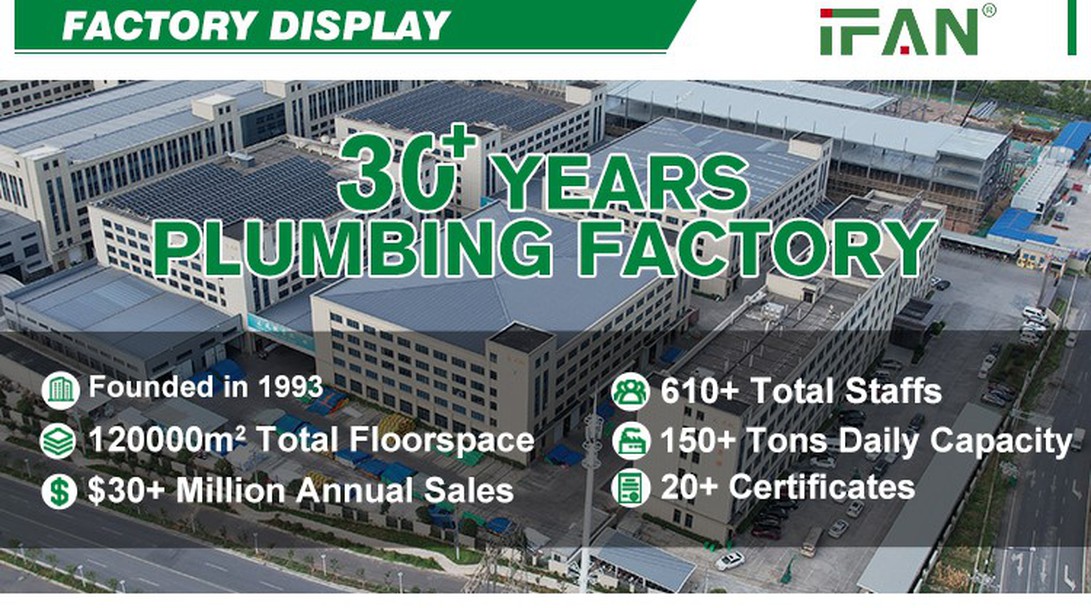
30+Years |
|
Contact Us |
Welcome to contact IFAN, we are online 24 hours a day to answer your questions!
Introduction to HDPE Pipe Fittings
HDPE (High-Density Polyethylene) pipe fittings are widely used in modern piping systems for water supply, industrial fluid transport, gas distribution, and wastewater management. These fittings-such as elbows, tees, couplings, and reducers-are essential components that connect HDPE pipes and ensure smooth and safe flow of fluids. One of the most frequently asked questions about this material is whether HDPE pipe fittings can resist corrosion and chemicals effectively. This is an important consideration because many piping systems operate in environments where exposure to moisture, salts, acids, or industrial chemicals is unavoidable. Understanding the material's behavior helps explain why HDPE is widely chosen in demanding applications.
Natural Corrosion Resistance of HDPE
One of the strongest advantages of HDPE pipe fittings is their natural resistance to corrosion. Unlike metals such as steel or iron, HDPE does not oxidize when exposed to air or water. Corrosion in traditional materials is typically caused by electrochemical reactions between metal and environmental elements, leading to rust formation and structural weakening. HDPE, being a polymer, does not undergo such reactions. This means that even in wet, humid, or underground environments, HDPE fittings remain stable and do not degrade over time due to corrosion. This property significantly increases the service life of piping systems and reduces maintenance requirements.
Chemical Resistance in Harsh Environments
In addition to corrosion resistance, HDPE pipe fittings also demonstrate excellent chemical resistance. They are highly resistant to a wide range of substances, including acids, alkalis, salts, and many industrial chemicals. This makes them suitable for use in chemical processing plants, wastewater treatment facilities, and industrial drainage systems. While some materials may degrade or react when exposed to aggressive chemicals, HDPE maintains its structural integrity and performance. This chemical stability ensures that pipelines remain safe and functional even when transporting corrosive fluids, reducing the risk of leaks or system failure.
Performance in Industrial Applications
HDPE pipe fittings are frequently used in industries where chemical exposure is a daily challenge. For example, mining operations often involve acidic or abrasive slurry, while chemical factories handle reactive substances that can damage conventional piping materials. In these environments, HDPE performs reliably due to its inert molecular structure. It does not react with most industrial chemicals, which helps maintain consistent flow conditions and reduces the need for frequent replacements. This reliability is one of the main reasons engineers prefer HDPE over traditional metal or even some plastic alternatives in industrial systems.
Resistance to Soil and Environmental Corrosion
In underground piping systems, corrosion is not only caused by transported fluids but also by surrounding soil conditions. Soil can contain moisture, salts, and microorganisms that accelerate the degradation of metal pipes. HDPE pipe fittings are unaffected by these external environmental factors. Because they do not rust or chemically react with soil components, they are widely used in buried pipelines such as water distribution networks and gas lines. This resistance to external corrosion makes HDPE especially valuable for infrastructure projects requiring long-term underground installation.
Long-Term Durability Against Chemical Exposure
Long-term exposure to chemicals is a critical factor in evaluating piping materials. HDPE pipe fittings are designed to maintain their properties over decades of use under normal operating conditions. Unlike some plastics that may become brittle or degrade when exposed to chemicals over time, HDPE retains its toughness and flexibility. This durability ensures that piping systems continue to perform safely and efficiently without frequent replacement. In many applications, HDPE pipelines can last more than 50 years, even in chemically challenging environments, provided they are used within recommended temperature and pressure limits.
Limitations in Extreme Chemical Conditions
Although HDPE pipe fittings have excellent chemical resistance, they are not completely universal. Certain strong oxidizing agents or high-concentration solvents at elevated temperatures may affect the material over time. Additionally, extremely high temperatures combined with aggressive chemicals can reduce performance. Therefore, proper material selection is important when designing industrial systems. Engineers typically evaluate chemical compatibility charts to ensure HDPE is suitable for specific applications. When used within its recommended limits, however, HDPE performs reliably and safely in most common chemical environments.
Comparison with Traditional Materials
Compared to traditional materials such as steel, copper, or concrete, HDPE offers significant advantages in corrosion and chemical resistance. Metals require protective coatings, cathodic protection, or regular maintenance to prevent corrosion. Even then, they may eventually fail due to rust or chemical attack. HDPE eliminates many of these concerns by being inherently resistant to both corrosion and a wide range of chemicals. This reduces maintenance costs, improves system reliability, and extends operational lifespan. As a result, HDPE is increasingly replacing traditional materials in modern piping systems.