
How Durable Are HDPE Pipe Fittings Under Harsh Conditions?
May 28, 2026

|
Product Name |
HDPE Pipe Fitting |
|
Color |
Blue Color |
|
Size |
20-110mm |
|
Brand |
IFAN or Customized |
|
OEM |
Support |
|
Sample |
Free |
|
Experience |
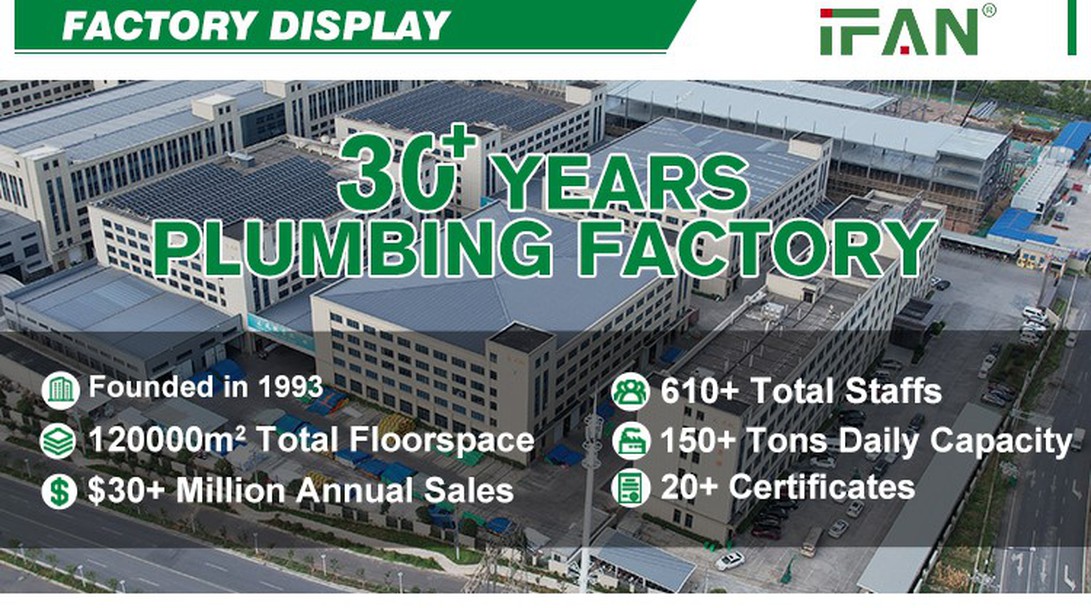
30+Years |
|
Contact Us |
Welcome to contact IFAN, we are online 24 hours a day to answer your questions!
Introduction to HDPE Pipe Fittings
HDPE (High-Density Polyethylene) pipe fittings are widely used in modern piping systems for water supply, gas distribution, mining, agriculture, and industrial fluid transport. These fittings-including elbows, tees, couplings, and reducers-are designed to connect HDPE pipes and maintain a continuous and secure flow system. One of the most important considerations for engineers and project designers is how well these fittings perform under harsh conditions. Harsh environments may include high pressure, chemical exposure, ground movement, temperature variation, and abrasive fluids. Understanding the durability of HDPE pipe fittings under such conditions is essential for evaluating their long-term reliability.
Resistance to Physical Impact and Stress
One of the key strengths of HDPE pipe fittings is their excellent resistance to physical impact. Unlike brittle materials such as PVC or rigid metals, HDPE has a flexible molecular structure that allows it to absorb shocks without cracking. In harsh environments where pipes may be exposed to external force, heavy loads, or accidental impact during installation, HDPE performs reliably. This impact resistance is especially valuable in construction zones, mining operations, and underground installations where pipes may experience unpredictable mechanical stress.
Performance in High-Pressure Conditions
HDPE pipe fittings are engineered to withstand a wide range of internal pressures, depending on their classification and wall thickness. In harsh operating environments, pressure fluctuations and water hammer effects can challenge the integrity of piping systems. HDPE handles these conditions effectively due to its ability to slightly expand and absorb pressure surges. This flexibility reduces the likelihood of sudden failures or burst damage. When properly designed and installed, HDPE systems maintain stable performance even under continuous high-pressure operation, making them suitable for demanding applications such as water distribution networks and industrial pipelines.
Chemical and Corrosion Resistance
Harsh conditions often involve exposure to corrosive chemicals, acidic substances, or saline environments. HDPE pipe fittings are highly resistant to chemical attack, which gives them a significant advantage over traditional metal systems. They do not rust, corrode, or react with most industrial chemicals. This makes them ideal for chemical processing plants, wastewater systems, and mining operations where aggressive substances are commonly present. Even in underground environments with corrosive soil conditions, HDPE maintains its structural integrity, ensuring long-term durability without degradation.
Durability in Extreme Environmental Conditions
HDPE pipe fittings also perform well in a variety of environmental conditions, including wet, dry, and underground installations. They are not affected by moisture, and their resistance to biological growth prevents deterioration in humid environments. In cold climates, HDPE remains flexible and does not become brittle like some plastics, although proper installation practices are still important to avoid mechanical stress at low temperatures. In hot environments, HDPE maintains stability within its recommended operating range, making it suitable for diverse global climates.
Resistance to Abrasion and Wear
In industrial applications such as mining and slurry transport, pipelines often carry abrasive materials that can wear down internal surfaces over time. HDPE pipe fittings demonstrate strong resistance to abrasion compared to many traditional materials. Their smooth internal surface reduces friction and minimizes wear caused by solid particles in the flow. This abrasion resistance significantly extends the service life of pipelines operating under harsh, high-solid-content conditions, reducing the need for frequent repairs or replacements.
Long-Term Structural Stability
Durability is not only about resisting immediate damage but also about maintaining performance over time. HDPE pipe fittings are known for their long service life, often exceeding several decades under proper operating conditions. They resist aging effects such as cracking, scaling, and corrosion, which commonly affect metal systems. Even under continuous exposure to challenging environments, HDPE retains its flexibility and strength. This long-term stability makes it a reliable choice for infrastructure projects where durability is critical to reducing lifecycle costs.
Limitations Under Extreme Conditions
While HDPE pipe fittings are highly durable, they do have certain limitations in extremely harsh conditions. Very high temperatures combined with high pressure or aggressive chemicals may reduce performance over time. Additionally, improper installation or excessive mechanical stress can affect durability. Engineers must carefully evaluate system requirements and ensure that HDPE is used within its recommended operational limits. When these conditions are respected, HDPE performs reliably even in demanding environments.