Chemical Resistance Features Of UPVC Fittings Explained
Jul 29, 2026

| Product Name | UPVC Pipe Fittings |
| Color | Black or Customized |
| Size | 20-63mm |
| Brand | IFAN or Customized |
| Standard |
GB |
| Sample | Free |
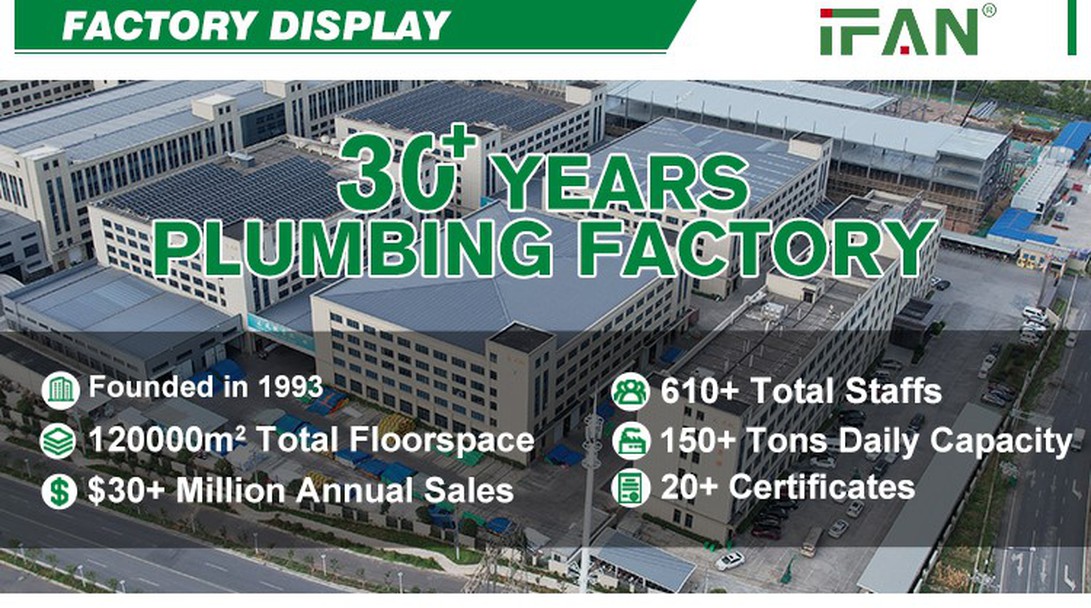
| Experience | 30+Years |
| Contact Us | Click HERE to contact us now! |
Welcome to contact IFAN, we are online 24 hours a day to answer your questions!
Introduction: The Importance of Chemical Resistance in Piping Systems
Piping systems are often exposed to different liquids, chemicals, and environmental conditions during operation. In many industries, the ability of a material to resist chemical reactions directly affects the safety, durability, and efficiency of the entire system. UPVC fittings are widely recognized for their excellent chemical resistance, making them a reliable choice for applications where traditional materials may experience damage.
The chemical stability of UPVC fittings allows them to maintain their physical properties even when they come into contact with various substances. This feature is especially valuable in water treatment, agriculture, manufacturing, and industrial fluid transportation. Understanding how UPVC fittings resist chemical effects helps users select suitable components for long-term and dependable piping solutions.
Stable Material Structure Provides Strong Protection
The chemical resistance of UPVC fittings comes from the stable structure of unplasticized polyvinyl chloride. Unlike some materials that easily react with external substances, UPVC has a strong molecular composition that limits chemical interaction. This allows the fittings to remain strong and functional even in challenging operating environments.
When exposed to many acids, alkalis, salts, and other common chemicals, UPVC fittings can maintain their shape and mechanical strength. This stability prevents problems such as cracking, swelling, or surface deterioration that may reduce the service life of piping components.
Because of this reliable performance, UPVC fittings are suitable for systems where chemical exposure is unavoidable. They provide an effective barrier between transported fluids and the surrounding environment, helping maintain safe and efficient operation.
Resistance Against Acids and Alkaline Substances
Many industrial and agricultural applications involve contact with acidic or alkaline materials. If piping components are not chemically resistant, these substances can gradually weaken the material and cause unexpected failures. UPVC fittings offer strong resistance to a wide range of acidic and alkaline solutions.
This advantage makes them useful in chemical processing systems, water treatment facilities, and agricultural irrigation networks. For example, treated water and fertilizers may contain chemical elements that could affect less resistant materials. UPVC fittings help ensure that these systems continue operating smoothly without rapid material degradation.
However, proper selection is still important because chemical compatibility depends on factors such as concentration, temperature, and exposure duration. By choosing suitable UPVC products for specific applications, users can achieve better performance and longer service life.
Protection Against Corrosion and Chemical Damage
One major benefit of UPVC fittings is their ability to avoid corrosion-related problems. Metal fittings often require protective coatings or regular maintenance to prevent rust caused by chemical and environmental exposure. UPVC fittings do not rust, which significantly reduces maintenance requirements.
This corrosion resistance is especially useful in underground pipelines and areas with high humidity. Moisture combined with chemicals can accelerate the deterioration of metal components, but UPVC fittings remain stable under similar conditions.
The ability to resist chemical damage also helps maintain the quality of transported fluids. Since the material does not easily react with many substances, it reduces the risk of contamination and supports cleaner fluid management in different applications.
Supporting Long-Term System Reliability
Chemical resistance contributes directly to the overall lifespan of a piping system. When fittings can withstand chemical exposure, the frequency of repairs and replacements can be reduced. This creates a more reliable system that requires less maintenance over time.
For businesses and infrastructure projects, long-term reliability is an important factor in controlling operating costs. UPVC fittings help reduce downtime caused by damaged connections or material failure. Their stable performance allows industries to focus on productivity rather than frequent system repairs.
In addition, the durability of chemically resistant fittings improves safety. A damaged fitting can lead to leakage, environmental issues, or operational risks. By using UPVC fittings with strong chemical resistance, these potential problems can be minimized.
Wide Applications of Chemically Resistant UPVC Fittings
The chemical resistance features of UPVC fittings allow them to be used in many fields. In water treatment systems, they provide dependable connections for transporting treated water and chemicals. In agriculture, they support irrigation systems where fertilizers and other substances may enter the pipeline network.
Industrial facilities also benefit from UPVC fittings when handling compatible chemicals or process fluids. Their lightweight design, easy installation, and resistance properties make them a practical alternative to many traditional piping materials.
As industries continue searching for safer and more efficient solutions, the application range of UPVC fittings continues to expand. Their combination of chemical stability and functional performance makes them an important component in modern piping systems.