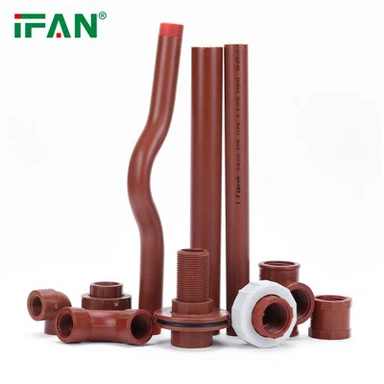

CPVC Fitting's Market Competitive Landscape and Brand Strength
Mar 17, 2025
In the rapidly evolving materials science industry, Chlorinated Polyvinyl Chloride (CPVC) fittings have emerged as a formidable player due to their superior properties such as enhanced corrosion resistance, high temperature tolerance, and improved mechanical strength. This article delves into the market competitive landscape of CPVC fittings, highlighting key players, their brand strengths, and the dynamics shaping the industry. Below are detailed sections, each with a subheading, providing a comprehensive overview.
Market Overview and Growth Trends
CPVC fittings occupy a niche yet crucial position in the global plumbing and construction materials market. The growing demand for durable, long-lasting, and eco-friendly materials has fueled the adoption of CPVC fittings across various sectors, including residential, commercial, and industrial applications. Market research indicates that the global CPVC market is projected to witness significant growth, driven by factors such as urbanization, infrastructure development, and stringent regulations favoring the use of non-toxic and corrosion-resistant materials. This trend presents a fertile ground for CPVC fitting manufacturers to innovate, expand their product lines, and solidify their market positions.

Key Players and Their Market Shares
The CPVC fitting market is characterized by a mix of established players and emerging entrants. Leading manufacturers include Sekisui Chemical, Xuye New Materials, Kem One (Klesch Group), Shanghai Chlor-Alkali Chemical, Avient, and Lubrizol, among others. These companies have established themselves through continuous innovation, robust distribution networks, and strategic partnerships. Their market shares vary, with some enjoying a dominant presence in specific regions or application segments. For instance, Sekisui Chemical, known for its high-quality CPVC products, holds a substantial market share in Asia-Pacific due to its strong brand recognition and extensive manufacturing capabilities.
Brand Strength and Differentiating Factors
Brand strength in the CPVC fitting market is often measured by a company's ability to innovate, maintain quality consistency, and adapt to changing market demands. Manufacturers differentiate themselves through unique selling propositions such as advanced formulations, superior resistance properties, and environmental compliance. For example, Avient's CPVC fittings are renowned for their excellent flame retardancy and smoke suppression properties, making them ideal for electrical and automotive applications. On the other hand, Lubrizol focuses on developing CPVC compounds with enhanced flexibility and UV resistance, tailored for outdoor and harsh environment applications.

Competitive Strategies and Market Expansion
To maintain a competitive edge, CPVC fitting manufacturers employ various strategies, including product diversification, geographical expansion, and strategic collaborations. Product diversification involves introducing new lines tailored to specific industries or customer needs, such as CPVC fittings for healthcare facilities requiring high sanitation standards. Geographical expansion involves entering new markets, particularly in emerging economies where infrastructure development is booming. Strategic collaborations, such as joint ventures or licensing agreements, enable manufacturers to tap into new technologies, expand production capacities, and gain access to untapped markets.
Challenges and Future Prospects
Despite the promising growth outlook, the CPVC fitting market faces challenges, including fluctuating raw material prices, competition from alternative materials like PPR and PEX, and environmental concerns regarding the disposal of chlorinated products. Manufacturers are addressing these challenges by investing in recycling technologies, developing bio-based CPVC alternatives, and enhancing product performance to withstand extreme weather conditions. Additionally, the growing emphasis on sustainability is prompting manufacturers to adopt greener production processes and offer eco-friendly CPVC fitting solutions.
The future of the CPVC fitting market looks promising, fueled by ongoing urbanization, industrialization, and the need for durable, cost-effective piping solutions. As technology advances and consumer preferences evolve, CPVC fitting manufacturers will continue to innovate, expanding their product offerings and strengthening their brand positions in the global market. By addressing challenges head-on and capitalizing on emerging opportunities, these companies are poised to solidify their competitive stances and drive the industry forward.
In conclusion, the CPVC fitting market is a dynamic and competitive landscape, shaped by the interplay of market forces, technological advancements, and regulatory frameworks. Key players are leveraging their brand strengths, innovating continuously, and adopting strategic approaches to consolidate their market positions. As the industry evolves, so too will the competitive dynamics, driving further innovation and growth in the CPVC fitting sector.