
How Durable Are CPVC Pipe Fittings Under Pressure?
May 28, 2026

|
Product Name |
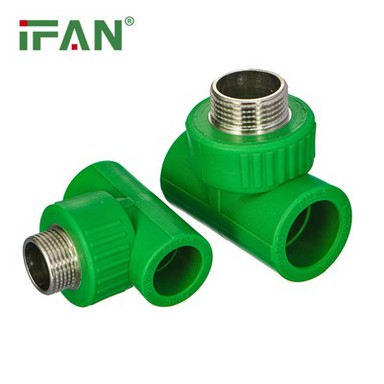
CPVC Pipe Fitting |
|
Standard |
ASTM2846 |
|
Color |
Cream Color |
|
Size |
1/2''-2'' |
|
Brand |
IFAN or Customized |
|
OEM |
Support |
|
Sample |
Free |
|
Experience |
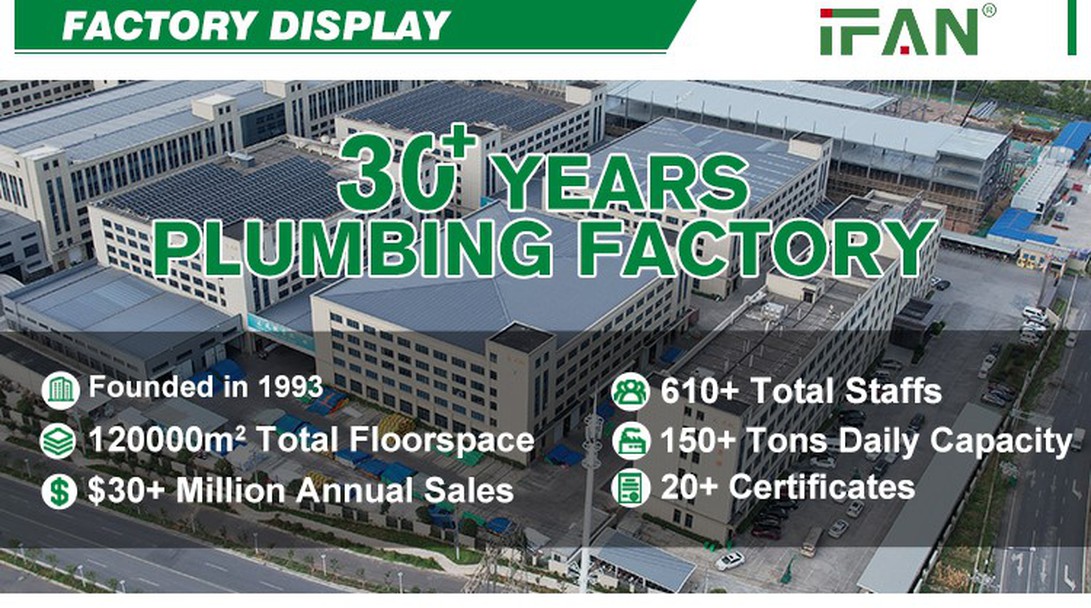
30+Years |
|
Contact Us |
Welcome to contact IFAN, we are online 24 hours a day to answer your questions!
Introduction to CPVC Pipe Fittings
CPVC, or chlorinated polyvinyl chloride, is a thermoplastic material widely used in modern plumbing and industrial piping systems. CPVC pipe fittings-such as elbows, tees, couplings, and reducers-are essential components that connect pipes, redirect flow, and maintain system integrity. One of the key concerns for engineers and homeowners is how durable these fittings are under pressure. Durability under pressure is crucial for maintaining reliable water distribution, preventing leaks, and ensuring long-term system safety. By understanding the properties and performance of CPVC fittings under varying pressure conditions, it becomes clear why they are increasingly preferred over traditional metal or standard PVC alternatives.
High Pressure Tolerance
CPVC pipe fittings are specifically designed to handle significant internal pressure. Standard CPVC products can typically withstand pressures ranging from 100 to 400 psi, depending on the pipe size, wall thickness, and temperature conditions. This capacity makes CPVC fittings suitable for residential water systems, commercial plumbing, and light industrial applications. Unlike some plastics that deform under pressure, CPVC maintains its shape and structural integrity even in prolonged high-pressure conditions. This reliability ensures that plumbing systems remain leak-free and reduces the risk of sudden failures that could lead to costly water damage or operational interruptions.
Thermal and Pressure Stability
Pressure performance is closely related to temperature stability. As fluid temperatures rise, the internal pressure in a piping system can increase due to thermal expansion. CPVC pipe fittings are engineered to resist both thermal and pressure stress simultaneously. They maintain consistent mechanical strength at elevated temperatures, typically up to 200°F (93°C). This dual resilience allows CPVC fittings to be used in hot water supply systems, heating networks, and industrial fluid transport without compromising system safety. Compared to metals that may corrode or weaken under heat, CPVC offers a combination of pressure and thermal durability that extends the lifespan of plumbing networks.
Resistance to Cracking and Impact
Durability under pressure is also determined by a material's ability to resist cracking and mechanical impact. CPVC fittings are formulated to absorb stress without brittle failure, even under repeated pressure cycles. Unlike standard PVC, which can become brittle over time, CPVC maintains flexibility and toughness. This is especially important in systems subjected to fluctuating pressures, water hammer effects, or minor impacts during installation or maintenance. The inherent toughness of CPVC contributes to system longevity and reduces the risk of sudden failures, which can be both costly and disruptive.
Long-Term Performance and Reliability
One of the reasons CPVC fittings are trusted under pressure is their proven long-term performance. Extensive testing has shown that CPVC can maintain pressure resistance for decades under typical plumbing conditions. Unlike metal pipes, which may corrode and lose structural integrity over time, CPVC remains stable and resistant to degradation. This long-term reliability reduces maintenance requirements and minimizes the likelihood of leaks, bursts, or costly repairs. For homeowners, commercial property owners, and industrial operators, this durability under sustained pressure provides peace of mind and operational efficiency.
Ease of Installation and Pressure Integrity
CPVC fittings are also easy to install while maintaining their pressure-handling capabilities. The fittings are joined using solvent cement, which chemically bonds the components to create leak-proof connections. This method ensures that the joints are as strong as the pipe itself and capable of withstanding high pressure. Unlike metal systems that require threading, welding, or flanging-each of which introduces potential weak points-CPVC's bonding method produces consistent, reliable joints. Proper installation guarantees that the fittings will sustain the internal pressure of the system without failure.
Limitations and Best Practices
While CPVC fittings are highly durable under pressure, there are limits to consider. Extremely high pressures beyond the recommended ratings or direct exposure to flames can damage the material. Over-tightening or improper alignment during installation may also create stress points that compromise durability. Best practices include selecting fittings appropriate for the system's pressure and temperature, supporting the piping to prevent sagging or strain, and avoiding sudden impacts during handling. By following these guidelines, CPVC fittings can perform reliably under pressure for decades.
Conclusion
CPVC pipe fittings are highly durable under pressure due to their strong mechanical structure, resistance to cracking, and thermal stability. They maintain integrity under both high internal pressures and elevated temperatures, making them suitable for residential, commercial, and industrial applications. The combination of long-term reliability, ease of installation, and resistance to corrosion and chemical damage makes CPVC a superior choice compared to many metal or standard plastic alternatives. With proper installation and adherence to recommended operating conditions, CPVC fittings ensure safe, efficient, and long-lasting performance under pressure.