
How Long Can Brass Gate Valves Last Without Maintenance?
May 28, 2026
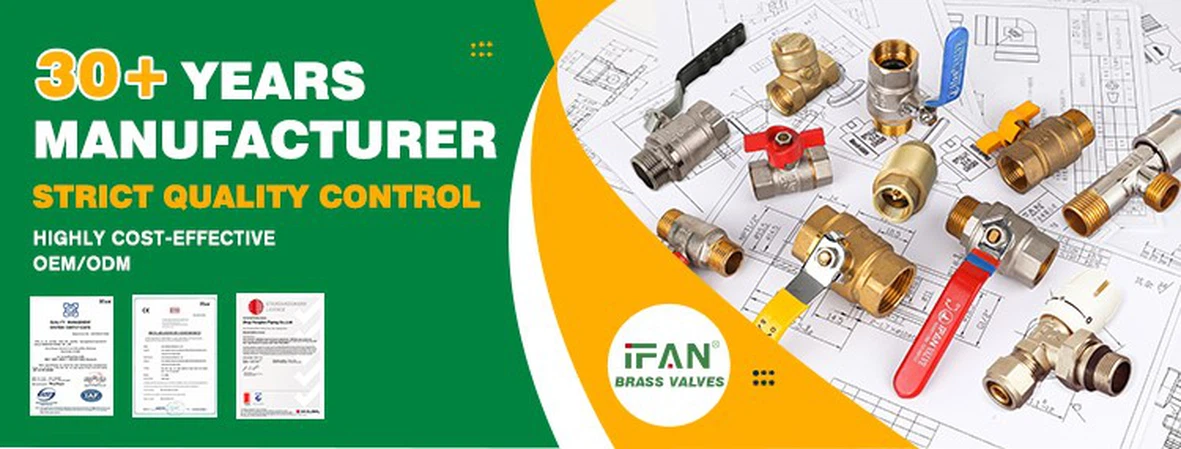
| Product Name | Brass Gate Valve |
| Color | Brass Color |
| Size | 1/2''-1'' |
| Brand | IFAN or Customized |
| OEM |
Support |
| Sample | Free |
| Experience | 30+Years |
| Contact Us | Click HERE to contact us now! |
Welcome to contact IFAN, we are online 24 hours a day to answer your questions!
Introduction to Brass Gate Valves
Brass gate valves are a common component in residential, commercial, and industrial plumbing systems. They regulate the flow of water, gas, and other fluids by raising or lowering a gate within the valve body. Brass, a copper-zinc alloy, is widely favored for its corrosion resistance, mechanical strength, and durability. One of the key questions for engineers and facility managers is how long these valves can function reliably without routine maintenance. Understanding their material properties, operating conditions, and limitations is essential for estimating lifespan and planning system maintenance schedules.
Material Durability and Corrosion Resistance
Brass is naturally resistant to corrosion and mineral buildup, which helps extend the lifespan of gate valves. In typical water systems, this corrosion resistance allows brass valves to operate for many years without significant degradation. The copper component prevents rust formation, while the zinc provides mechanical strength. However, lifespan can vary depending on water quality, exposure to chemicals, and environmental conditions. In clean, non-aggressive water systems, brass gate valves may last decades without maintenance, while in harsher environments, their performance may degrade more quickly.
Typical Lifespan Under Standard Conditions
Under standard residential or commercial conditions-moderate pressure, normal water temperature, and low chemical exposure-brass gate valves can often operate effectively for 20 to 30 years without significant maintenance. The robust construction and corrosion-resistant properties contribute to this long service life. Many valves installed decades ago are still functioning in older buildings without intervention. This long-term reliability is one reason why brass gate valves are preferred over materials like plastic or low-grade steel, which may fail or require replacement much sooner.
Impact of High Temperature and Pressure
While brass gate valves are durable, elevated temperatures and high pressures can influence how long they can operate without maintenance. Hot water systems or high-pressure industrial pipelines place additional stress on valve components. Prolonged exposure to these conditions can accelerate wear on internal parts, such as the gate and seat, and may eventually lead to minor leaks or harder operation. Nevertheless, high-quality brass valves are designed to handle typical hot water temperatures and moderate industrial pressures for years without significant maintenance.
Effects of Water Quality
Water quality is another key factor affecting the lifespan of brass gate valves. Hard water with high mineral content can lead to scale buildup, which may hinder smooth operation over time. Similarly, highly chlorinated or acidic water can gradually affect the brass surface. In most municipal water systems, these factors are minimal, allowing valves to operate efficiently for decades. In contrast, industrial or specialized chemical environments may reduce the effective maintenance-free lifespan, requiring occasional inspection to ensure continued performance.
Minimal Maintenance Requirements
One of the advantages of brass gate valves is their minimal maintenance requirement. Unlike other materials, they do not rust or degrade quickly, and their mechanical components are robust. For long-term operation, occasional checks are sufficient-such as inspecting the stem, lubricating moving parts, and confirming that seals are intact. Even without regular maintenance, the valves are engineered to resist corrosion and wear, allowing them to operate safely and reliably in many applications.
Comparison With Other Valve Materials
Brass outperforms many alternative materials when it comes to long-term maintenance-free operation. Plastic valves, for example, may warp or degrade over time, particularly under heat or pressure. Cast iron or steel valves can corrode, especially in water systems, leading to leaks and early replacement. While stainless steel may provide similar durability, it is more expensive. Brass offers a balanced solution: long lifespan, resistance to corrosion, and reasonable cost, making it highly suitable for systems where minimal maintenance is desired.
Environmental and Operational Factors
Environmental and operational factors also influence how long brass gate valves can last without maintenance. Frequent valve operation, high-frequency pressure fluctuations, and harsh external conditions like outdoor installation may shorten the maintenance-free lifespan. Conversely, a valve in a stable indoor environment with moderate flow and pressure may operate smoothly for decades without intervention. Understanding these factors helps engineers and facility managers predict performance and schedule inspections if necessary.