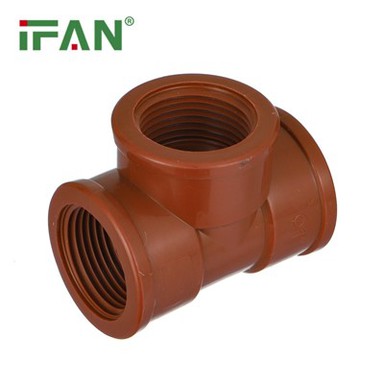
Innovative Design and Functional Optimization of UPVC Fittings
Mar 31, 2025
Introduction: The Need for Innovation in UPVC Fittings
UPVC (Unplasticized Polyvinyl Chloride) fittings have long been valued for their durability, chemical resistance, and cost-effectiveness in various applications, including plumbing, drainage, and industrial systems. However, as industries evolve and environmental concerns grow, there is an increasing demand for innovative designs and functional optimization of UPVC fittings. These advancements aim to enhance performance, sustainability, and ease of use while addressing emerging challenges. This article explores the latest innovations in UPVC fitting design, functional optimization strategies, case studies, and future trends. By understanding these developments, industries can leverage UPVC fittings to achieve greater efficiency and sustainability in their operations.
Innovative Design Features in Modern UPVC Fittings
Recent advancements in UPVC fitting design have introduced features that improve functionality and adaptability. One such innovation is the development of modular fittings, which allow for easy assembly and disassembly, making maintenance and system modifications more efficient. Another example is the integration of anti-microbial properties into UPVC materials, which is particularly beneficial in water supply systems to prevent bacterial growth. Additionally, the use of reinforced UPVC with fiberglass or other composites has enhanced mechanical strength, enabling these fittings to withstand higher pressures and temperatures. For instance, in a large-scale industrial project, reinforced UPVC fittings were used to transport high-pressure fluids, demonstrating their improved performance under demanding conditions. These design innovations are transforming the capabilities of UPVC fittings.
Functional Optimization Strategies for UPVC Fittings
Functional optimization focuses on enhancing the performance and efficiency of UPVC fittings through material improvements and engineering techniques. One strategy is the development of low-friction interior surfaces, which reduce energy loss and improve fluid flow. Another approach involves optimizing the geometry of fittings to minimize pressure drops and turbulence, ensuring smoother operation. The use of advanced manufacturing techniques, such as precision molding, has also improved the dimensional accuracy and consistency of UPVC fittings. For example, in a municipal water treatment plant, optimized UPVC fittings with low-friction interiors reduced energy consumption by 10%, highlighting the benefits of functional optimization. These strategies ensure that UPVC fittings meet the evolving demands of modern systems.

Case Studies: Successful Implementation of Innovative UPVC Fittings
Several case studies demonstrate the successful implementation of innovative UPVC fittings in real-world applications. In a residential plumbing project in the United States, modular UPVC fittings were used to simplify installation and reduce labor costs. In a pharmaceutical manufacturing facility in Europe, anti-microbial UPVC fittings were employed to maintain hygienic conditions in water supply systems. Another example is the use of reinforced UPVC fittings in a chemical processing plant in Asia, where they withstood high temperatures and corrosive substances, ensuring reliable operation. These case studies underscore the practical benefits of innovative UPVC fittings in diverse industries and applications.
Sustainability and Environmental Benefits of Advanced UPVC Fittings
The innovation and optimization of UPVC fittings also contribute to sustainability and environmental protection. The use of recyclable materials and eco-friendly manufacturing processes reduces the environmental impact of UPVC fittings. Additionally, their durability and long service life minimize the need for replacements, reducing waste and resource consumption. Innovations such as low-friction interiors and optimized geometries also contribute to energy efficiency, lowering the carbon footprint of water and fluid transport systems. For example, in a green building project, the use of sustainable UPVC fittings reduced both material waste and energy consumption, aligning with the project's environmental goals. These benefits make UPVC fittings a key component of sustainable infrastructure development.
Future Trends and Emerging Technologies in UPVC Fittings
The future of UPVC fittings is shaped by emerging technologies and evolving industry needs. One trend is the integration of smart technologies, such as embedded sensors, to monitor pressure, temperature, and flow rates in real-time, enabling predictive maintenance and system optimization. Another area of innovation is the development of biodegradable or bio-based UPVC materials, which further enhance sustainability. Advances in 3D printing and additive manufacturing are also expected to revolutionize the production of custom UPVC fittings, allowing for greater design flexibility and rapid prototyping. For instance, in a pilot project, 3D-printed UPVC fittings were used to create complex geometries that optimized fluid dynamics. These trends highlight the potential for UPVC fittings to remain at the forefront of technological advancement.
Conclusion: The Transformative Impact of Innovation in UPVC Fittings
The innovative design and functional optimization of UPVC fittings are driving significant improvements in performance, sustainability, and adaptability across various industries. From modular designs and anti-microbial properties to smart technologies and sustainable materials, these advancements are addressing the challenges of modern systems and paving the way for future developments. Case studies demonstrate the practical benefits of these innovations, while future trends point to even greater possibilities. By embracing these advancements, industries can leverage UPVC fittings to achieve greater efficiency, reliability, and environmental responsibility. Their ability to combine innovation, durability, and sustainability ensures that UPVC fittings will continue to play a vital role in infrastructure and industrial applications.