
Material Selection For PEX Pipe Compression Fittings And Their Impact On Performance
Jul 17, 2024
Material Selection for PEX Pipe Compression Fittings and Their Impact on Performance

Introduction to PEX Pipe Compression Fittings
PEX pipe compression fittings are essential components in plumbing systems, providing secure connections between PEX pipes without the need for soldering or welding. The materials chosen for these fittings play a crucial role in their overall performance and longevity.
Importance of Material Selection
The selection of materials for PEX pipe compression fittings directly influences their mechanical strength, corrosion resistance, and compatibility with PEX pipes and plumbing environments. Common materials include brass, stainless steel, and various types of plastics, each offering distinct advantages.
Brass vs. Stainless Steel: Strength and Durability
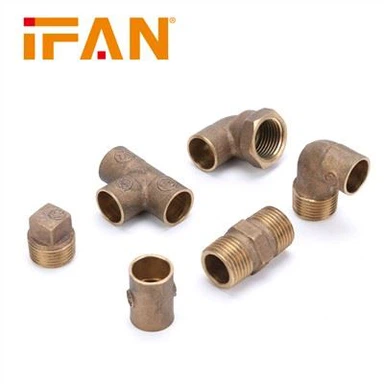
Brass is a popular choice for PEX pipe compression fittings due to its strength, durability, and resistance to corrosion. It is particularly suitable for high-pressure applications and is known for its long-term reliability. Stainless steel fittings, while more expensive, offer superior corrosion resistance, making them ideal for harsh environments or specific chemical applications.
Plastic Materials: Versatility and Cost-Effectiveness
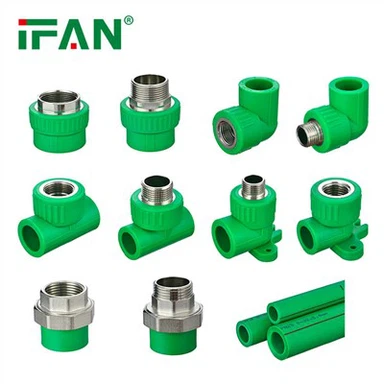
Certain types of plastics, such as polypropylene (PP) or acetal copolymer (POM), are also used in PEX pipe compression fittings. These materials provide versatility in design and are often chosen for their lightweight properties and cost-effectiveness. However, their mechanical strength may be lower compared to metal fittings.
Impact of Material Properties on Performance
The material properties of PEX pipe compression fittings directly impact their performance under various conditions. Factors such as temperature extremes, water quality, and exposure to chemicals can affect the fittings' integrity over time. Proper material selection ensures compatibility and reliability in diverse plumbing applications.
Compatibility with PEX Pipes and Standards
PEX pipe compression fittings must meet industry standards and regulations to ensure compatibility with PEX pipes and compliance with building codes. Materials chosen should not degrade or react adversely with the PEX material or the fluids conveyed, ensuring safe and efficient plumbing systems.
Case Studies and Practical Applications
In residential and commercial settings, the choice of materials for PEX pipe compression fittings varies based on application requirements. For instance, in plumbing systems where durability and resistance to aggressive water conditions are critical, brass or stainless steel fittings are preferred. Conversely, plastic fittings may be suitable for non-critical applications where cost-effectiveness is prioritized.
Maintenance and Longevity Considerations
Regular maintenance practices, such as inspecting fittings for signs of wear or corrosion and ensuring proper installation techniques, are essential for maximizing the longevity and performance of PEX pipe compression fittings. Proper care extends the lifespan of fittings and prevents costly repairs or replacements.

Conclusion
Material selection for PEX pipe compression fittings is a critical decision that impacts their performance, durability, and compatibility with plumbing systems. By understanding the properties of different materials and their suitability for specific applications, plumbing professionals can ensure reliable and long-lasting connections in residential, commercial, and industrial environments.
In conclusion, the careful consideration of material properties in PEX pipe compression fittings underscores their importance in achieving safe and efficient plumbing installations. By selecting appropriate materials and adhering to industry standards, stakeholders can optimize performance and ensure the longevity of plumbing systems.