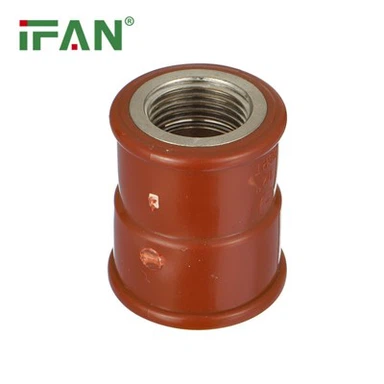

Practical Applications of PE Fittings in Electrical Engineering
Mar 28, 2025
Introduction: The Role of PE Fittings in Electrical Engineering
Polyethylene (PE) fittings have become an essential component in electrical engineering, particularly in the construction and maintenance of power distribution systems. Their unique properties, such as durability, flexibility, and resistance to environmental factors, make them ideal for protecting and managing electrical cables. This article explores the practical applications of PE fittings in electrical engineering, highlighting their advantages, specific use cases, and contributions to the efficiency and safety of power systems.
Advantages of PE Fittings in Electrical Engineering
PE fittings offer several advantages that make them highly suitable for electrical engineering applications. Their excellent insulation properties ensure that electrical cables are protected from moisture, chemicals, and physical damage. PE fittings are also lightweight and easy to install, reducing labor costs and project timelines. Their flexibility allows them to accommodate cable movement and ground shifts, minimizing the risk of damage. Additionally, PE fittings are highly durable, with a lifespan of up to long-term durability according to standards or more, ensuring long-term performance. For example, in a power distribution project, PE fittings were used to protect underground cables, demonstrating their reliability and effectiveness in harsh environments.
Applications in Underground Cable Protection
One of the primary applications of PE fittings in electrical engineering is the protection of underground cables. Underground power distribution systems require materials that can withstand environmental factors such as moisture, soil pressure, and temperature fluctuations. PE fittings are used to create protective conduits that shield cables from these conditions, ensuring uninterrupted power supply. Their smooth interior surface reduces friction during cable installation, making the process more efficient. In a large-scale urban power distribution project, PE fittings were employed to construct a network of underground conduits that protected cables from moisture and physical damage, highlighting their importance in ensuring the reliability of power systems.

Applications in Cable Jointing and Termination
PE fittings are also widely used in cable jointing and termination, where they provide secure and reliable connections. In power distribution systems, cables often need to be joined or terminated to extend their reach or connect to other components. PE fittings are used to create leak-proof and insulated joints that protect cables from environmental factors and ensure efficient power transmission. Their flexibility allows them to accommodate cable movement, reducing the risk of damage. For instance, in a renewable energy project, PE fittings were used to join and terminate cables in a solar power plant, demonstrating their effectiveness in ensuring the safety and efficiency of power systems.
Applications in Overhead Power Line Protection
While underground cable protection is a common application, PE fittings are also used in overhead power line protection. Overhead power lines are exposed to environmental factors such as UV radiation, temperature fluctuations, and physical damage from wind or debris. PE fittings are used to create protective covers that shield power lines from these conditions, ensuring their longevity and performance. Their durability and resistance to environmental factors make them ideal for this purpose. In a rural electrification project, PE fittings were employed to protect overhead power lines from UV radiation and physical damage, showcasing their versatility in different power distribution scenarios.
Case Study: PE Fittings in a Smart Grid Project
A smart grid project required a power distribution system that could integrate advanced monitoring and control technologies. PE fittings with embedded sensors were selected for their ability to provide real-time data on cable conditions and power flow. The fittings were installed in a network of underground and overhead conduits that protected cables from environmental factors and physical damage. The system was connected to a central control unit, which analyzed the data to optimize power distribution and detect faults. The project demonstrated the effectiveness of PE fittings in improving the efficiency and reliability of smart grid systems, paving the way for their widespread adoption in modern power distribution networks.
Conclusion: The Critical Role of PE Fittings in Electrical Engineering
PE fittings have proven to be a reliable and versatile solution for electrical engineering applications, offering numerous advantages such as durability, flexibility, and resistance to environmental factors. Their applications in underground cable protection, cable jointing and termination, and overhead power line protection highlight their critical role in ensuring the efficiency and safety of power systems. By providing secure and insulated connections, protecting cables from environmental factors, and accommodating cable movement, PE fittings contribute significantly to the reliability and longevity of power distribution networks. As the demand for efficient and sustainable power systems continues to grow, PE fittings will remain an indispensable component, ensuring the safety and efficiency of modern electrical engineering projects. Their importance in addressing the challenges of power distribution cannot be overstated, making them a vital choice for engineers and project managers.