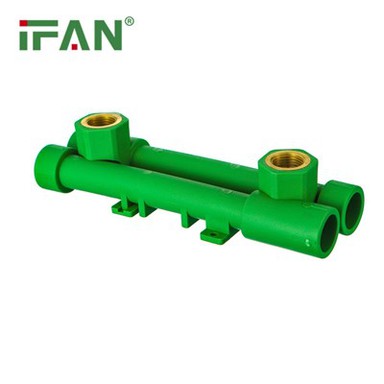

Analysis of the Chemical Corrosion Resistance of PE Fittings
Mar 28, 2025
Introduction: The Importance of Chemical Corrosion Resistance in PE Fittings
Polyethylene (PE) fittings are widely used in industries such as chemical processing, water treatment, and oil and gas due to their exceptional resistance to chemical corrosion. Chemical corrosion can compromise the integrity of piping systems, leading to leaks, contamination, and costly repairs. PE fittings, with their inherent resistance to a wide range of chemicals, provide a reliable solution for applications involving aggressive substances. This article analyzes the chemical corrosion resistance of PE fittings, exploring their properties, testing methods, and applications in corrosive environments.
Properties Contributing to Chemical Corrosion Resistance
The chemical corrosion resistance of PE fittings is primarily attributed to the material's molecular structure. Polyethylene is a non-polar polymer, which makes it highly resistant to the penetration of polar substances such as acids, alkalis, and salts. Additionally, PE fittings have a smooth surface that minimizes the adhesion of corrosive agents, reducing the risk of localized corrosion. The material's flexibility also allows it to withstand mechanical stresses caused by temperature fluctuations or chemical reactions without cracking. For example, in a chemical processing plant, PE fittings were used to transport sulfuric acid, demonstrating their ability to resist corrosion and maintain structural integrity over time.
Testing Methods for Chemical Corrosion Resistance
The chemical corrosion resistance of PE fittings is evaluated through rigorous testing methods to ensure their suitability for specific applications. One common method is immersion testing, where PE fittings are exposed to various chemicals at different concentrations and temperatures for extended periods. The fittings are then inspected for changes in weight, dimensions, and mechanical properties. Another method is stress cracking resistance testing, which assesses the material's ability to withstand chemical exposure under mechanical stress. For instance, in a laboratory study, PE fittings were subjected to immersion testing in hydrochloric acid, showing no significant degradation after months of exposure. These tests provide valuable data for selecting the appropriate PE fittings for corrosive environments.
Applications in Chemical Processing Industries
PE fittings are extensively used in chemical processing industries, where they transport aggressive substances such as acids, alkalis, and solvents. Their resistance to chemical corrosion ensures the safe and efficient operation of piping systems, reducing the risk of leaks and contamination. In a chemical plant, PE fittings were employed in a pipeline system that transported sodium hydroxide, a highly corrosive substance. The fittings maintained their performance over years of operation, highlighting their reliability in harsh chemical environments. Additionally, PE fittings are used in the production of fertilizers, where they resist corrosion from ammonia and other reactive chemicals, ensuring the safety and efficiency of the manufacturing process.

Applications in Water Treatment and Oil & Gas Industries
PE fittings also play a critical role in water treatment and oil and gas industries, where they are exposed to corrosive substances such as chlorine, hydrogen sulfide, and crude oil. In water treatment plants, PE fittings are used in pipelines that transport chlorinated water, resisting corrosion and ensuring the delivery of clean water. In the oil and gas industry, PE fittings are employed in pipelines that transport corrosive hydrocarbons, withstanding harsh conditions and maintaining their performance. For example, in an offshore oil rig, PE fittings were used in a pipeline system that transported crude oil, demonstrating their ability to resist corrosion and ensure the safe operation of the facility. These applications underscore the importance of PE fittings in industries where chemical corrosion is a significant concern.
Case Study: PE Fittings in a Petrochemical Plant
A petrochemical plant required a piping system that could transport a mixture of acids, alkalis, and solvents without compromising safety or efficiency. PE fittings were selected for their exceptional chemical corrosion resistance and durability. The fittings were installed in a network of pipelines that transported various chemicals at high temperatures and pressures. The system underwent regular inspections and testing to ensure its performance. After several years of operation, the PE fittings showed no signs of corrosion or degradation, highlighting their effectiveness in one of the most challenging industrial environments. This case study demonstrates the critical role of PE fittings in ensuring the safety and efficiency of petrochemical operations.
Conclusion: The Critical Role of Chemical Corrosion Resistance in PE Fittings
The chemical corrosion resistance of PE fittings is a key factor in their widespread adoption across industries such as chemical processing, water treatment, and oil and gas. Their non-polar molecular structure, smooth surface, and flexibility make them highly resistant to a wide range of corrosive substances. Rigorous testing methods ensure their suitability for specific applications, while their performance in real-world environments underscores their reliability. By providing durable and safe solutions for transporting aggressive chemicals, PE fittings contribute significantly to the efficiency and safety of industrial operations. As industries continue to face challenges related to chemical corrosion, PE fittings will remain an indispensable component, ensuring the integrity and longevity of piping systems in corrosive environments. Their importance in addressing the risks of chemical corrosion cannot be overstated, making them a vital choice for engineers and project managers.