
Why Are HDPE Pipe Fittings Widely Used Today?
May 28, 2026

|
Product Name |
HDPE Pipe Fitting |
|
Color |
Blue Color |
|
Size |
20-110mm |
|
Brand |
IFAN or Customized |
|
OEM |
Support |
|
Sample |
Free |
|
Experience |
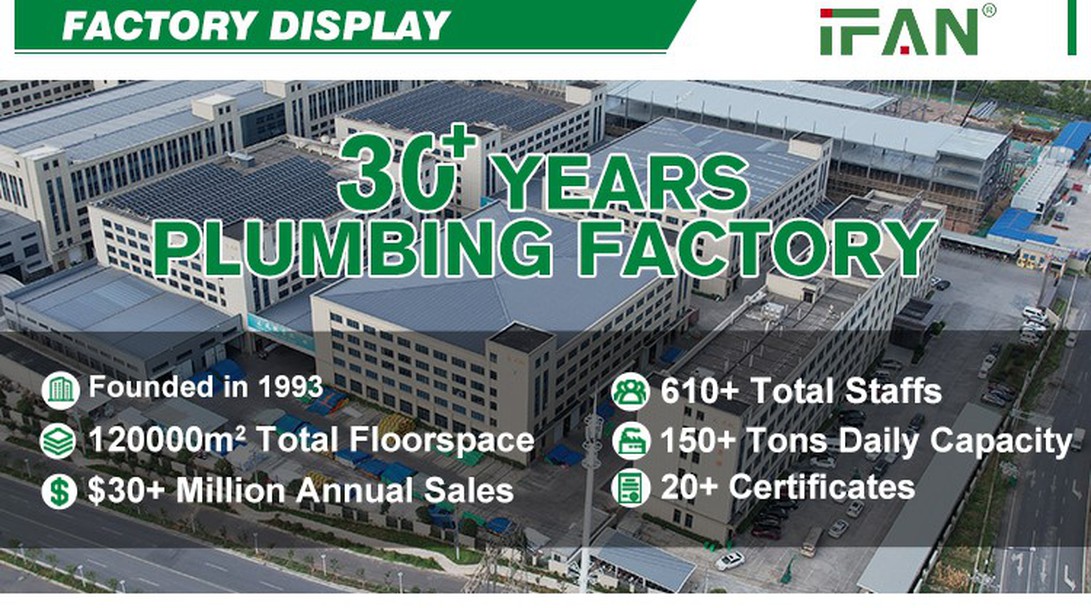
30+Years |
|
Contact Us |
Welcome to contact IFAN, we are online 24 hours a day to answer your questions!
Introduction to HDPE Pipe Fittings
HDPE (High-Density Polyethylene) pipe fittings have become a widely adopted solution in modern piping systems across water supply, gas distribution, agriculture, and industrial applications. These fittings are used to connect, redirect, and control the flow within HDPE piping networks. Engineers and system designers prefer HDPE because it offers a unique combination of flexibility, strength, and chemical resistance. In recent years, the demand for HDPE pipe fittings has increased significantly as infrastructure projects prioritize durability, low maintenance, and long service life. Understanding why HDPE has become so popular requires a closer look at its material properties and real-world performance advantages.
Excellent Flexibility and Impact Resistance
One of the main reasons HDPE pipe fittings are widely used today is their outstanding flexibility and impact resistance. Unlike rigid piping materials such as metal or PVC, HDPE can absorb shocks and vibrations without cracking. This makes it particularly suitable for environments where ground movement, seismic activity, or heavy external loads are common. Even under sudden impact, HDPE fittings are less likely to break, which greatly reduces system failure risks. This flexibility also allows for easier installation in uneven terrain, making HDPE ideal for underground pipelines, mining operations, and rural water distribution systems.
Strong Resistance to Corrosion and Chemicals
Corrosion resistance is another key advantage driving the popularity of HDPE pipe fittings. Traditional metal pipes often suffer from rust, scaling, and chemical degradation over time, especially when exposed to moisture or aggressive substances. HDPE, however, is chemically inert and does not react with most acids, bases, or salts. This property ensures long-term stability in harsh environments such as chemical plants, wastewater systems, and industrial fluid transport. Because HDPE does not corrode or deteriorate, it significantly extends the lifespan of piping systems while reducing maintenance requirements and operational disruptions.
Leak-Free Jointing and Fusion Technology
HDPE pipe fittings are also widely used because of their advanced jointing methods, particularly heat fusion technology. Unlike mechanical joints that rely on seals or gaskets, HDPE fittings are often connected using butt fusion or electrofusion techniques. These methods create a homogeneous, leak-free bond that is as strong as the pipe itself. This significantly reduces the risk of leaks, which is a common issue in traditional piping systems. For engineers and contractors, the reliability of fusion joints provides greater confidence in system integrity, especially in high-pressure applications such as water mains and gas distribution networks.
Long Service Life and Low Maintenance
Another major factor behind the widespread use of HDPE pipe fittings is their long service life. In many applications, HDPE systems can last 50 years or more under normal operating conditions. This durability is due to the material's resistance to corrosion, abrasion, and environmental stress. Unlike metal pipes that require regular inspection, coating, or replacement, HDPE systems require minimal maintenance once installed. This reduces lifecycle costs and makes them a highly economical choice for governments, utilities, and private industries managing large-scale infrastructure.
Lightweight and Easy Installation
HDPE pipe fittings are significantly lighter than metal alternatives, which makes transportation and installation much easier and more cost-effective. Workers can handle and position HDPE components without heavy machinery in many cases, reducing labor intensity and installation time. Additionally, the flexibility of the material allows for longer pipe sections and fewer joints, which further simplifies installation. This advantage is particularly valuable in remote or difficult-to-access areas where logistics and equipment availability may be limited. The ease of installation contributes directly to reduced project costs and faster completion times.
Environmental and Sustainability Benefits
Sustainability is another reason HDPE pipe fittings are gaining popularity. HDPE is a recyclable material, and its long lifespan reduces the frequency of replacement and waste generation. Additionally, the smooth inner surface of HDPE pipes reduces friction losses, improving fluid flow efficiency and lowering energy consumption in pumping systems. Because HDPE systems are lightweight, transportation-related emissions are also reduced compared to heavier materials like steel or ductile iron. These environmental benefits make HDPE an attractive choice for modern infrastructure projects focused on sustainability and energy efficiency.
Versatility Across Multiple Applications
HDPE pipe fittings are widely used because of their versatility across different industries. They are commonly found in potable water systems, irrigation networks, gas pipelines, industrial chemical transport, and mining operations. Their ability to perform under varying pressure levels, temperatures, and environmental conditions makes them suitable for a wide range of applications. Engineers often prefer HDPE because it allows for standardized solutions across multiple systems, reducing complexity in design and procurement. This versatility further strengthens its position as a preferred piping material in modern engineering projects.