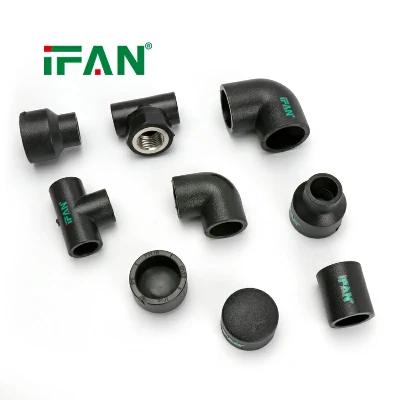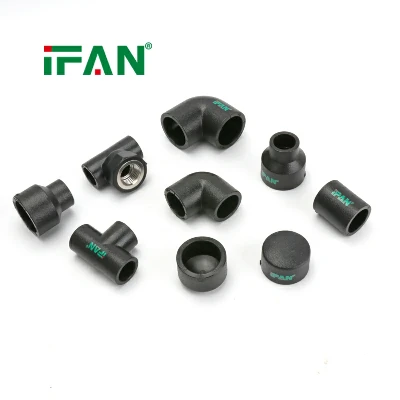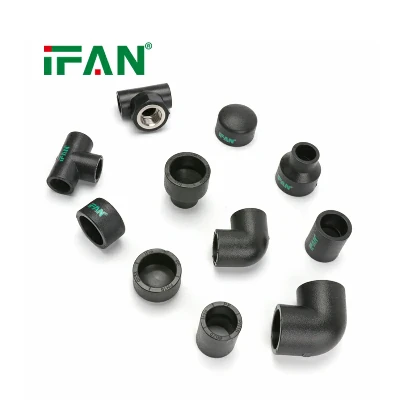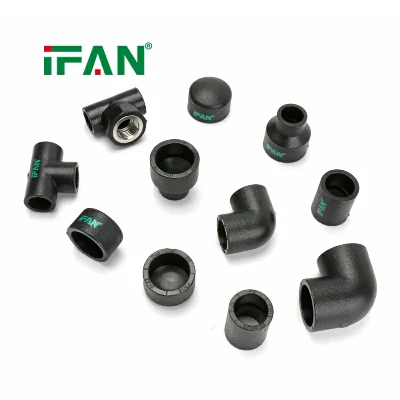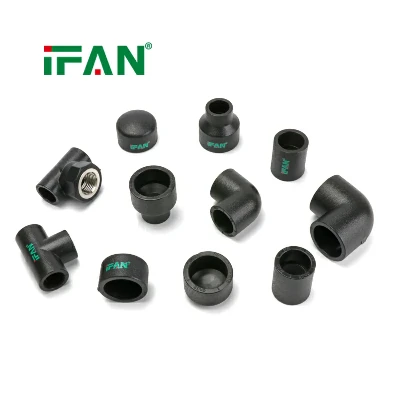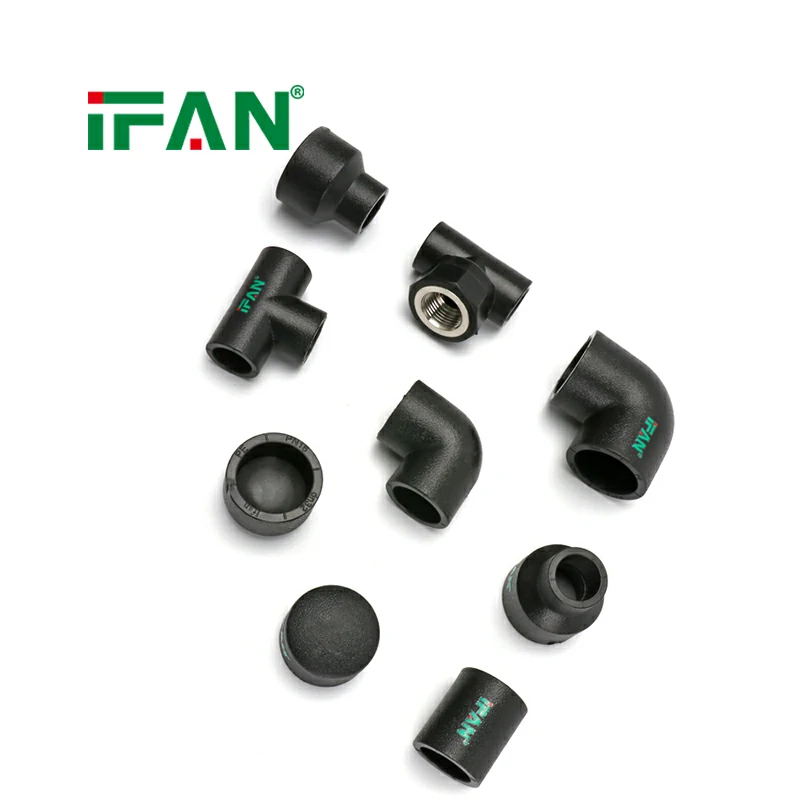

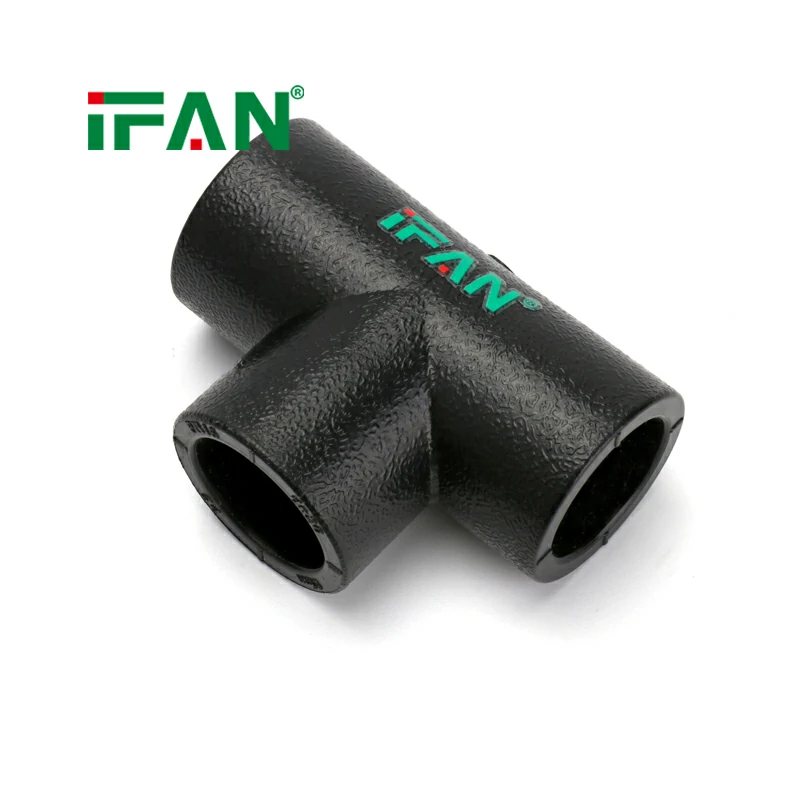
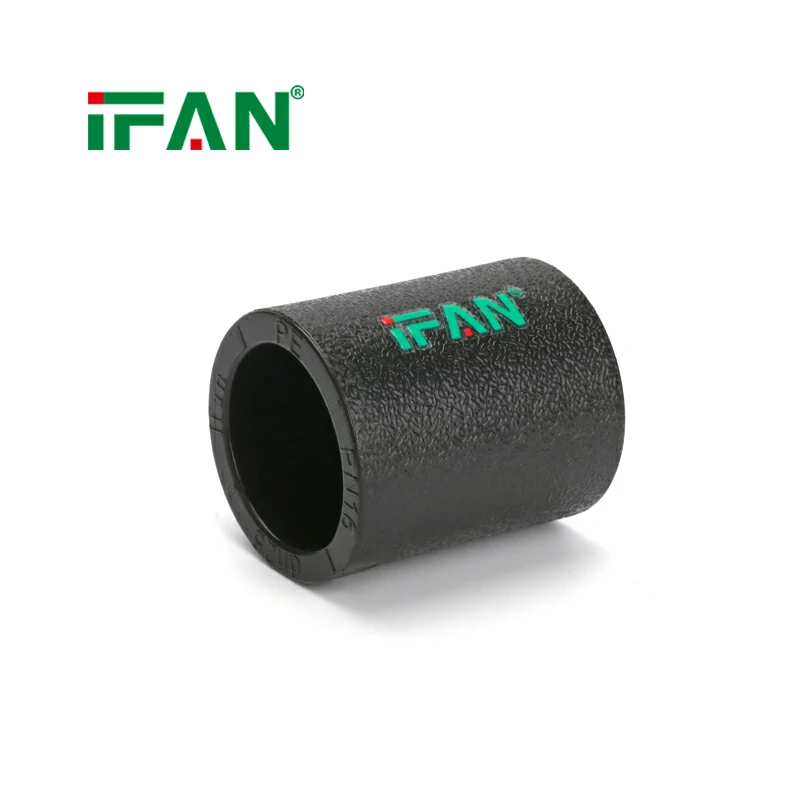
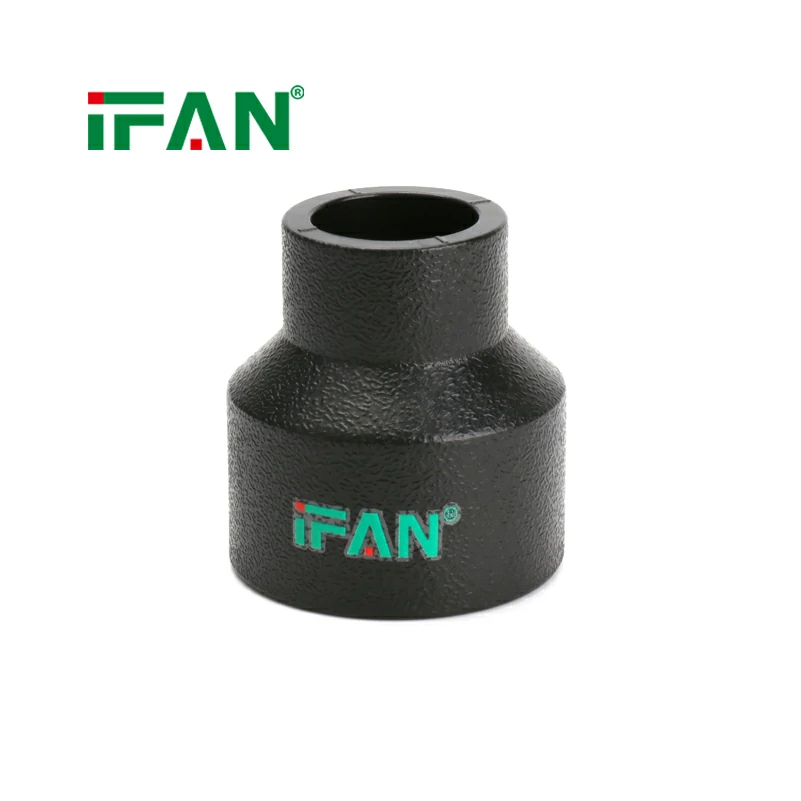
Low Cost HDPE Socket Welding Fittings
Brand: IFAN
Materials:PE
Size:20-110mm
Sample: Free Sample
Service: OEM&ODM
- Fast Delievery
- Quality Assurance
- 24/7 Customer Service
Product Introduction
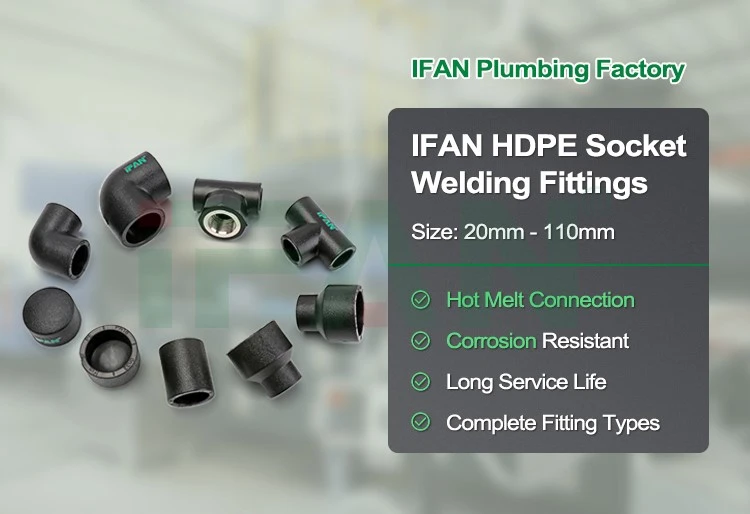
| Product Name | HDPE Socket Welding Fittings |
| Size | 20-110mm |
| Color | Black Color Or Customized |
| Connection | Welding |
| MOQ | 100PCS |
| Sample | Sample Free |
| Contact |
Understanding Maintenance Expenses in Piping Systems
Maintenance costs in piping systems are influenced by several factors, including joint failures, inspection requirements, labor hours, replacement materials, and operational interruptions. When a connection develops a leak or requires repair, the expense often extends beyond the fitting itself. Technicians may need to isolate a pipeline, drain a section, access concealed pipework, complete repairs, and verify that the system is ready to return to service.
HDPE socket welding fittings can help control these expenses when they are correctly selected and installed. These components connect compatible polyethylene pipes through a controlled thermal fusion process. The resulting connection is formed by joining the softened surfaces of the pipe and fitting rather than relying on a separate threaded sealing interface.
However, lower maintenance expenditure does not depend on the fitting alone. Installation quality, operating pressure, temperature, chemical compatibility, and maintenance planning all influence the frequency of corrective work. Understanding these factors allows facility managers to evaluate maintenance costs across the entire piping system rather than focusing only on the initial purchase price.
Reducing Joint-Related Repair Work
Pipe joints are important inspection points because leakage can originate from incorrect assembly, unsuitable components, mechanical stress, or changes in operating conditions. In systems using threaded connections, maintenance personnel may need to investigate damaged threads, deteriorated sealing materials, or loosening caused by movement and vibration.
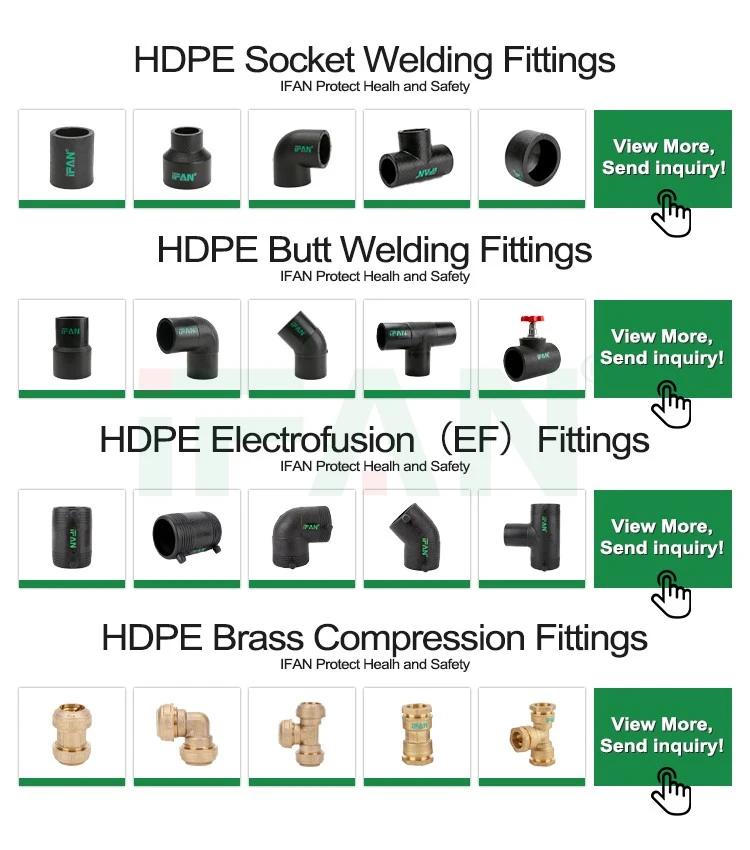
HDPE socket welding fittings use thermal fusion to connect compatible components. When the specified procedure is followed, the pipe and fitting form a fused interface without requiring a separate threaded seal at the connection. This changes the type of joint-related maintenance that may be necessary.
The quality of the fusion process remains critical. Inadequate heating, contaminated surfaces, incorrect insertion depth, or movement during cooling can produce defects that require repair. Such problems may create additional costs if they are discovered after the pipeline has been commissioned.
To control repair expenditure, installation teams should use the correct fusion equipment, follow the manufacturer's procedure, and inspect completed joints according to the applicable requirements. Preventing assembly errors at the construction stage reduces the likelihood of avoidable corrective work later.
Controlling Labor and Service Interruption Costs
Maintenance expenses frequently include more labor than the direct cost of replacement components. A leaking connection may require technicians to identify the affected section, arrange isolation, remove surrounding obstructions, repair the pipework, and perform the necessary checks before restarting operations.
In applications where access is difficult, these activities can take considerably longer than the physical repair itself. Pipework located behind walls, below ground, or within industrial equipment areas may require additional excavation, dismantling, or coordination with other maintenance teams.
Appropriately specified HDPE socket welding fittings can help reduce the need for recurring joint repairs when the system is installed and operated correctly. Their maintenance implications should nevertheless be assessed alongside the accessibility of the pipeline and the procedures required to replace a damaged section.
Designers can also control future labor costs by providing suitable access to connection points, organizing pipe routes logically, and documenting fitting locations. Where isolation valves are required, their placement should allow maintenance personnel to restrict the affected section without unnecessarily interrupting the entire system.
Managing Material Replacement and Spare Parts
Frequent repairs can increase material expenditure through repeated purchases of fittings, pipe sections, sealing products, and associated installation supplies. Additional costs may arise when maintenance teams need to keep a large range of replacement components in stock or purchase specialized parts at short notice.
A standardized HDPE piping specification can simplify spare-parts management. By using compatible pipe dimensions, fitting types, and approved material grades throughout a project, operators can organize inventory around a defined range of components rather than maintaining numerous unrelated product types.
This approach requires careful planning. Socket welding fittings must match the installed piping system, including dimensions, material specifications, pressure requirements, and the applicable fusion procedure. A fitting that looks similar to the original component may not be suitable for replacement.
Maintenance teams should maintain an accurate record of installed components and identify approved alternatives before a failure occurs. Such records help prevent incorrect purchases, unnecessary returns, and delays caused by uncertainty about the required part.
Preventing Problems Through Correct Installation
Installation quality has a direct relationship with future maintenance expenditure. A connection assembled incorrectly may appear acceptable initially but develop problems when exposed to operating pressure, temperature changes, or mechanical loading.
Before socket fusion, installers should verify component compatibility, prepare the pipe ends, clean the joining surfaces as specified, and confirm that the heating equipment is operating within the required range. Heating time, insertion depth, alignment, and cooling must follow the manufacturer's instructions.
Rushing any of these stages can introduce defects that are difficult to correct after the pipeline has entered service. A joint that requires replacement may involve additional labor, material use, testing, and system downtime.
Project managers can reduce this risk by providing appropriate training, using documented installation procedures, and maintaining records of required welding parameters. Inspection checkpoints should be included in the construction schedule so that installation problems can be identified before inaccessible pipe sections are closed or buried.
Considering Operating Conditions and Preventive Maintenance
The operating environment influences how frequently a piping system requires maintenance. Excessive pressure, elevated temperatures, incompatible chemicals, ultraviolet exposure, and external mechanical loads can all affect HDPE components under certain conditions.
Selecting fittings according to the actual application helps avoid maintenance problems associated with unsuitable materials or incorrect pressure ratings. Engineers should review operating conditions, anticipated temperature variations, transported media, and relevant manufacturer specifications before approving a piping design.
Preventive maintenance should then be based on the system's operating requirements and the consequences of failure. Routine activities may include checking accessible connections, reviewing pressure records, investigating unexplained leakage, and examining areas exposed to movement or external damage.
Maintenance intervals should not be assigned solely according to the fitting material. They should reflect the installation environment, system history, applicable regulations, and the manufacturer's recommendations. Targeted inspections can help identify developing problems before they lead to more extensive repairs.
Evaluating Total Maintenance Costs
A meaningful cost assessment considers more than the purchase price of HDPE socket welding fittings. The total maintenance cost includes inspection labor, replacement components, equipment use, repair procedures, water or product losses, and any interruption to normal operations.
For example, a fitting installed in an accessible service area may be relatively straightforward to inspect or replace. The same component installed beneath a finished floor or within a restricted industrial space may involve substantial additional labor if repair becomes necessary.
Comparing piping options therefore requires consideration of installation conditions, expected maintenance tasks, operating requirements, and the cost of potential service interruptions. Actual maintenance records can help organizations determine whether a selected piping system is meeting its cost-control objectives.



Hot Tags: low cost hdpe socket welding fittings, China low cost hdpe socket welding fittings manufacturers, suppliers, factory, Compression HDPE Pipe Fittings, HDPE Elbow 90, HDPE Pipe and Fitting, HDPE Pipe Compression Fittings, HDPE Pipe Fitting, HDPE Pipe Socket