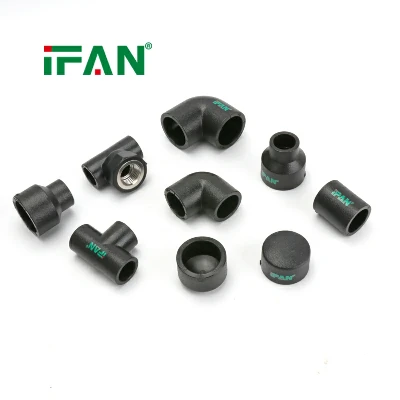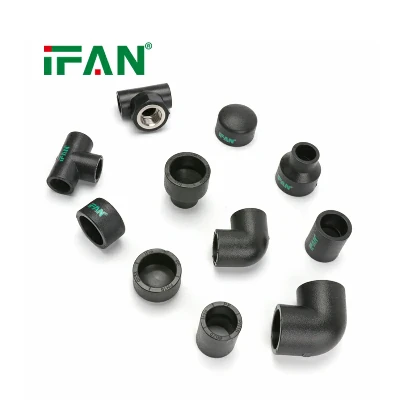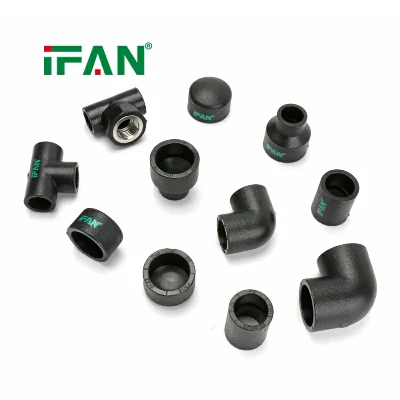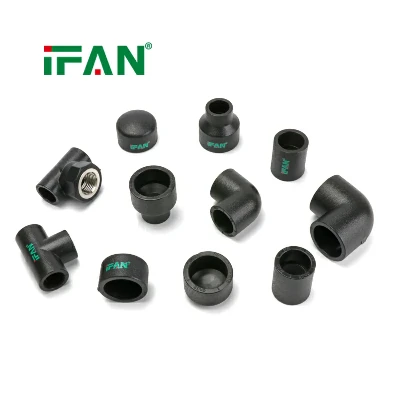

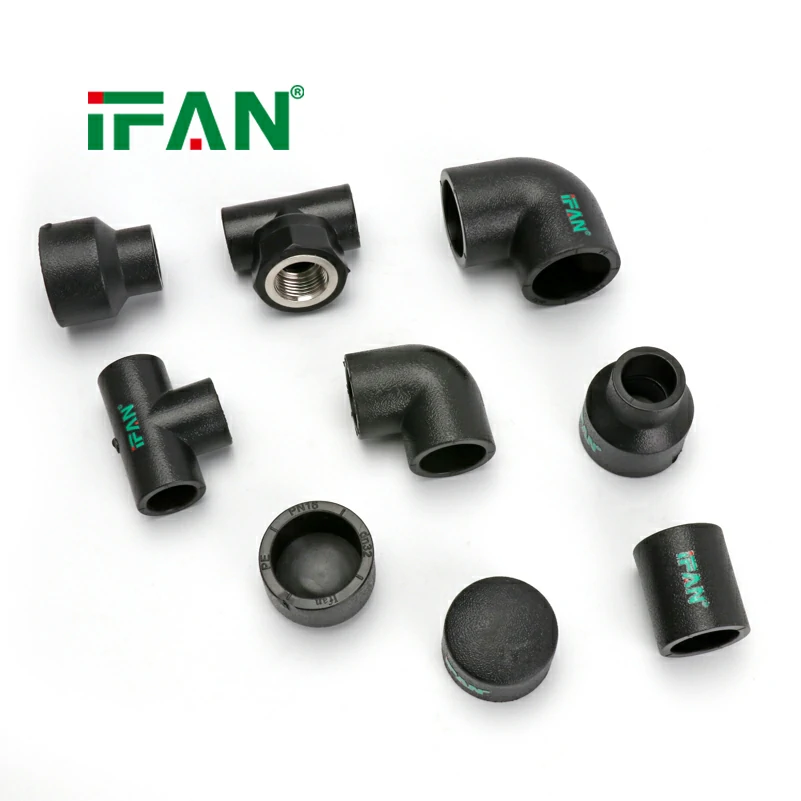

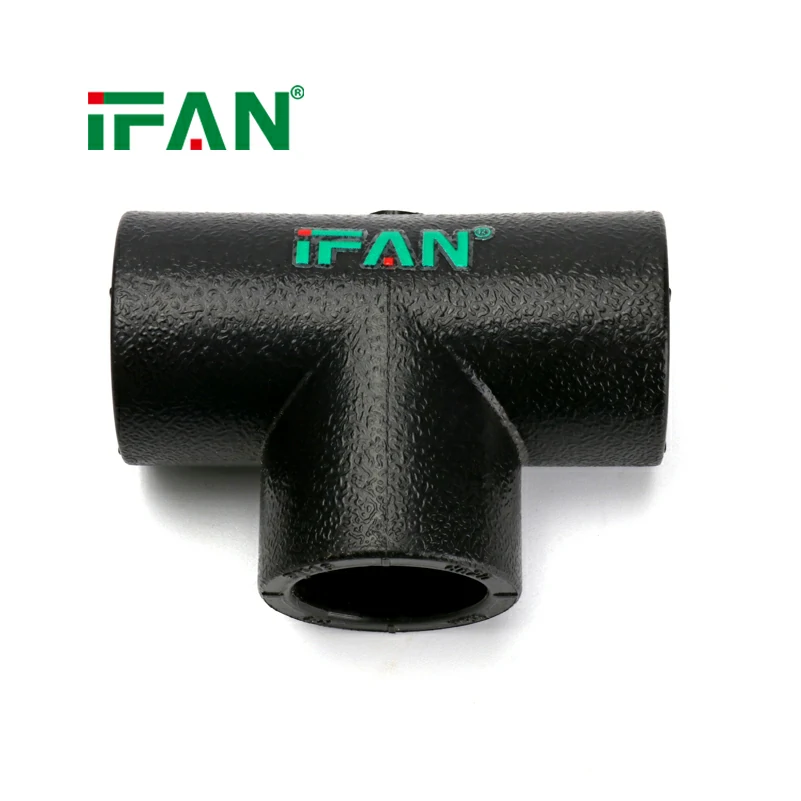
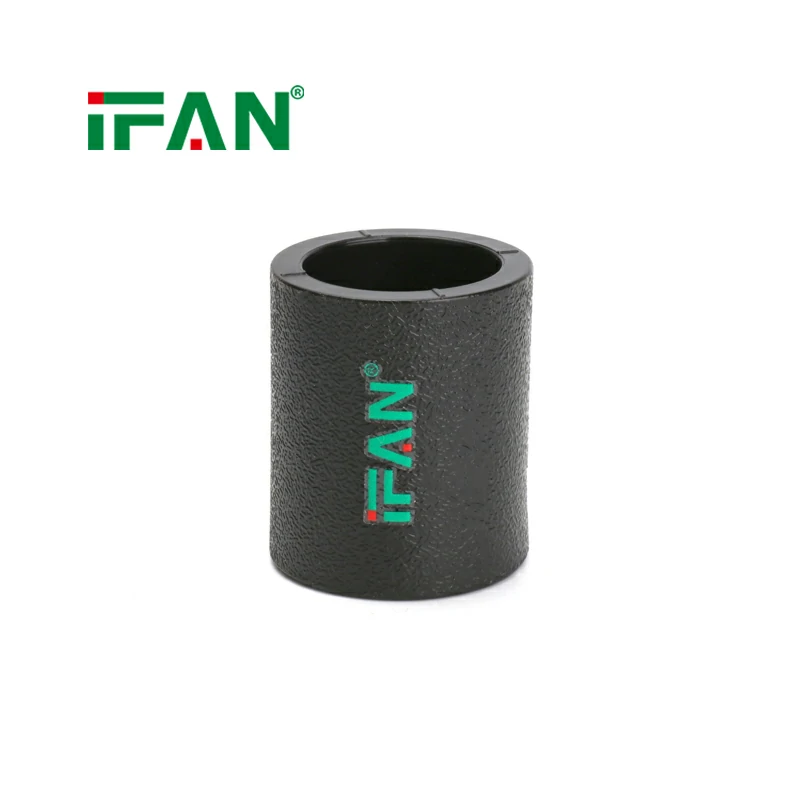
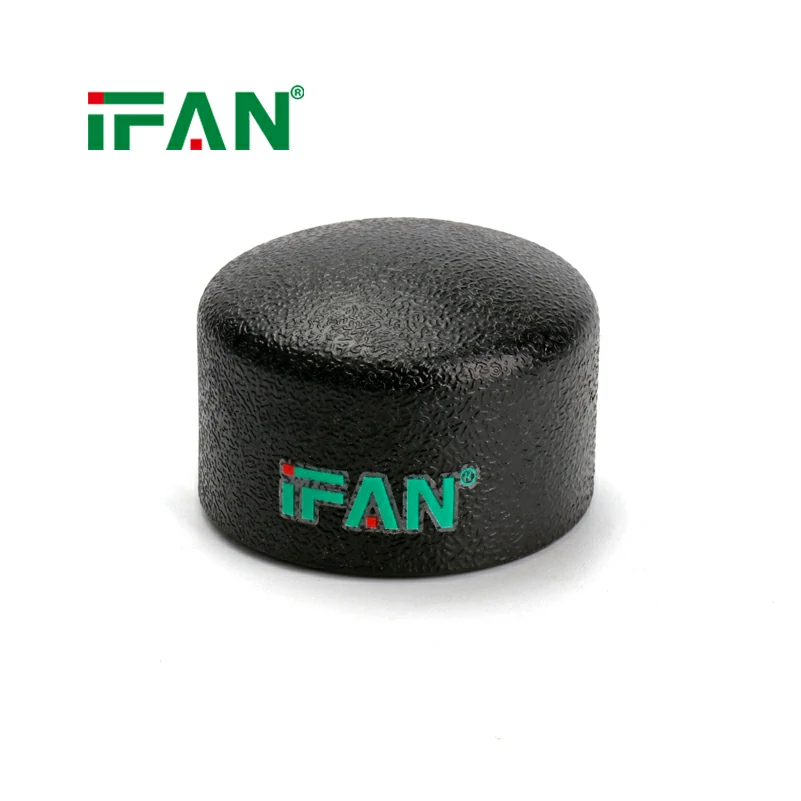
HDPE Socket Welding Fittings For Water Supply
Brand: IFAN
Materials:PE
Size:20-110mm
Sample: Free Sample
Service: OEM&ODM
- Fast Delievery
- Quality Assurance
- 24/7 Customer Service
Product Introduction
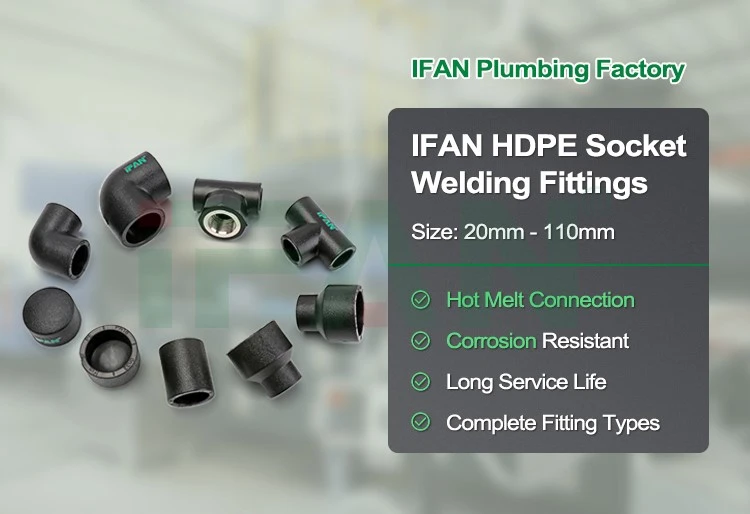
| Product Name | HDPE Socket Welding Fittings |
| Size | 20-110mm |
| Color | Black Color Or Customized |
| Connection | Welding |
| MOQ | 100PCS |
| Sample | Sample Free |
| Contact |
Meeting the Requirements of Drinking Water Infrastructure
Potable water systems require carefully selected piping components to maintain water quality from treatment facilities to distribution points. Every fitting that comes into contact with drinking water must be suitable for its intended application and comply with the relevant health, safety, and engineering requirements. High-density polyethylene (HDPE) socket welding fittings are used in compatible piping systems where controlled connections are needed to convey treated water.
These fittings connect pipe sections, change flow direction, create branches, and accommodate transitions between specified pipe sizes. Their suitability for drinking water applications depends on the material formulation, component dimensions, installation method, and applicable certification requirements. A fitting intended for general industrial service should not automatically be assumed suitable for potable water.
System designers must consider the entire water-contact pathway, including pipes, fittings, valves, seals, and other connected components. Selecting products approved for drinking water contact helps establish a consistent material specification throughout the installation. This approach is particularly important in municipal distribution networks, residential supply systems, commercial buildings, and water treatment facilities.
Material Suitability for Drinking Water Contact
HDPE is a thermoplastic polymer composed primarily of carbon and hydrogen. Its suitability for potable water applications depends on the specific resin formulation and any additives used during manufacturing. Colorants, processing aids, stabilizers, and other ingredients must be appropriate for the intended contact conditions and meet the relevant regulatory requirements.
Not every HDPE product is automatically approved for drinking water. Manufacturers may produce fittings from different material grades or formulations for different applications. Therefore, purchasers should verify that the selected fittings are explicitly intended for potable water service and supported by the required documentation.
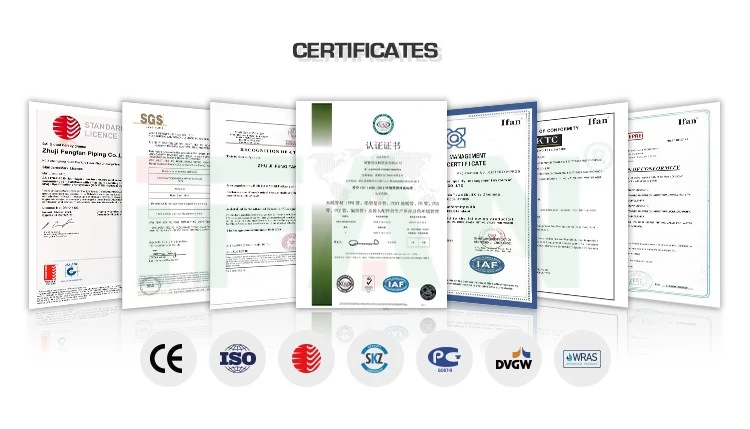
Depending on the market and application, relevant requirements may include NSF/ANSI/CAN 61 for drinking water system components and NSF/ANSI 14 for plastic piping system components. Local regulations and project specifications may require additional approvals. The applicable certification should cover the product and conditions of use rather than simply referring to the general properties of polyethylene.
Reviewing product documentation before installation helps confirm that the selected fittings meet the necessary material and regulatory requirements. This verification should form part of the procurement process, not an assumption made after the system has been assembled.
Socket Fusion and Connection Assembly
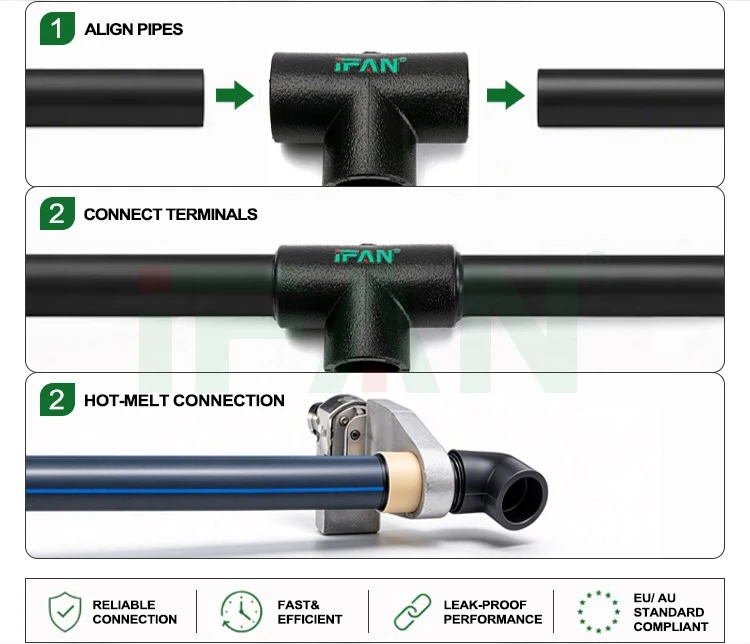
Socket fusion connects compatible HDPE pipes and fittings through controlled heating. During the process, the outside surface of the pipe end and the inside surface of the fitting socket are heated using appropriately sized tooling. The softened surfaces are then brought together according to the manufacturer's specified procedure.
For potable water systems, consistent installation practices are important because the completed connection becomes part of the water-contact network. Incorrect heating, unsuitable components, contamination, or improper insertion can result in an inadequately formed joint. Installers should therefore follow the prescribed temperature, heating time, insertion depth, and cooling requirements.
Before assembly, inspect the pipe and fitting for damage and confirm that their dimensions and material specifications are compatible. Clean the joining surfaces according to the manufacturer's instructions, and prevent dirt, oil, or other foreign substances from entering the connection area.
After fusion, allow the joint to cool for the required period before applying loads or proceeding with subsequent operations. The completed connection should be inspected in accordance with the applicable installation standard. Properly controlled assembly helps maintain the intended configuration of the potable water pipeline.
Maintaining Water Quality Through Material Control
Drinking water quality can be affected by substances that migrate from materials into the water. This process, often called leaching or migration, depends on the composition of the product, contact duration, water temperature, and chemical characteristics of the water.
For this reason, potable water fittings should be manufactured from formulations that meet the applicable extraction or health-effects requirements. Certification provides a documented basis for evaluating whether a product is suitable for its intended drinking water contact conditions.
Water chemistry should also be considered when selecting piping materials. Disinfectants, pH levels, temperature, and other treatment conditions may influence material compatibility. The fitting manufacturer's technical guidance should be reviewed alongside the requirements established by the water utility or project engineer.
Storage and handling are also relevant. Fittings should remain protected from soil, chemicals, oils, and other contaminants before installation. Keeping components clean prevents unnecessary contamination from entering the water system during construction. Material approval and clean handling together help support the sanitary requirements of drinking water infrastructure.
Fitting Configurations for Distribution Networks
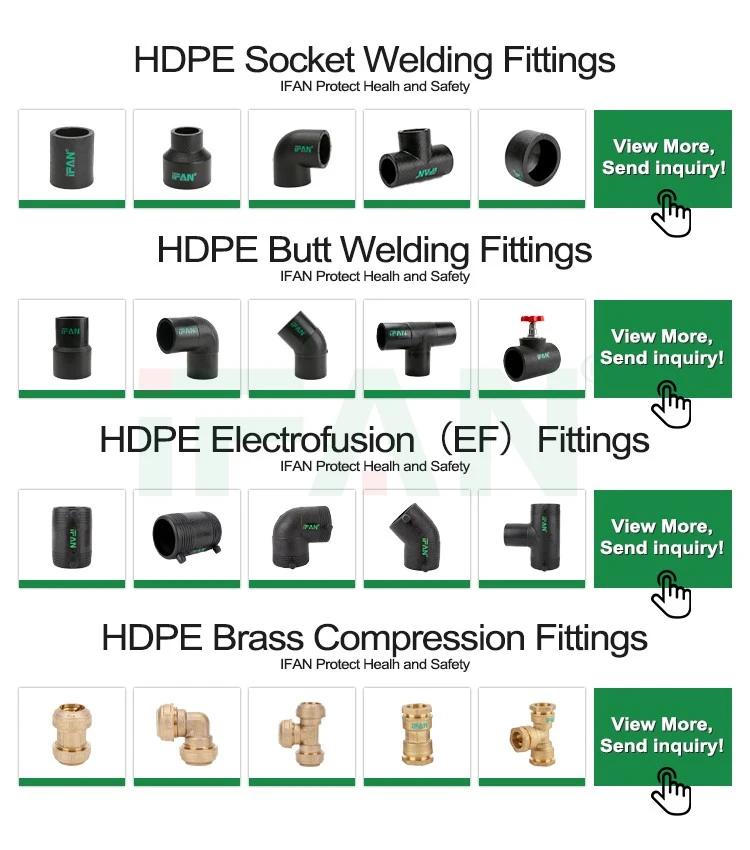
Potable water networks require different fitting arrangements to accommodate building layouts, service connections, and changes in pipeline direction. HDPE socket welding fittings may include elbows, tees, couplings, and reducers, provided that the selected product range is suitable for the pipe system and intended service.
Elbows allow a pipeline to follow a planned route around structural elements or underground obstacles. Tees provide branch connections for supplying separate distribution lines, while couplings join compatible pipe sections. Reducers are used where a designed transition between different pipe sizes is required.
Selecting fittings from a compatible product system helps ensure that dimensions and joining procedures correspond to the specified pipe. Engineers should also consider pressure ratings, flow requirements, installation space, and access for maintenance.
The arrangement of fittings should follow the hydraulic design rather than being determined solely by construction convenience. Appropriate layouts help control changes in flow direction and allow connections to be positioned according to the requirements of the distribution network.
Pressure Control and System Testing
Potable water pipelines must operate within their specified pressure limits. Fitting selection should account for the system design pressure, operating temperature, applicable pressure ratings, and any relevant requirements for pressure reduction or transient control.
Before commissioning, the installed pipeline should undergo the inspections and pressure testing required by the project specifications and governing standards. Test procedures must be appropriate for the material, system configuration, and operating conditions. The test pressure and duration should be established by the responsible engineer or applicable installation requirements.
Inspectors should check accessible joints for visible defects, incorrect alignment, or signs of leakage. Any connection that fails to meet the acceptance criteria should be evaluated and corrected using an approved procedure.
Following testing, the potable water system should be flushed, disinfected, and sampled where required by the water authority or applicable regulations. These steps address construction-related contamination and help establish readiness for drinking water service.
Installation Hygiene and Ongoing Monitoring
Sanitary practices remain important throughout construction. Fittings should be stored in clean conditions, and open pipe ends should be protected when work is interrupted. This reduces the likelihood of soil, insects, construction debris, or other foreign material entering the system.
After commissioning, monitoring should follow the operating requirements of the water utility or facility. Inspection records, maintenance documentation, and water quality results can help operators identify unusual conditions and respond appropriately.
Any repair or replacement involving water-contact components should use products approved for the intended application. Workers should also follow the prescribed cleaning and disinfection procedures before returning an affected section to service.




Hot Tags: hdpe socket welding fittings for water supply, China hdpe socket welding fittings for water supply manufacturers, suppliers, factory, Compression HDPE Pipe Fittings, HDPE Compression Fittings, HDPE Elbow 90, HDPE Pipe Socket, HDPE Water Pipe Fittings, PE Pipe