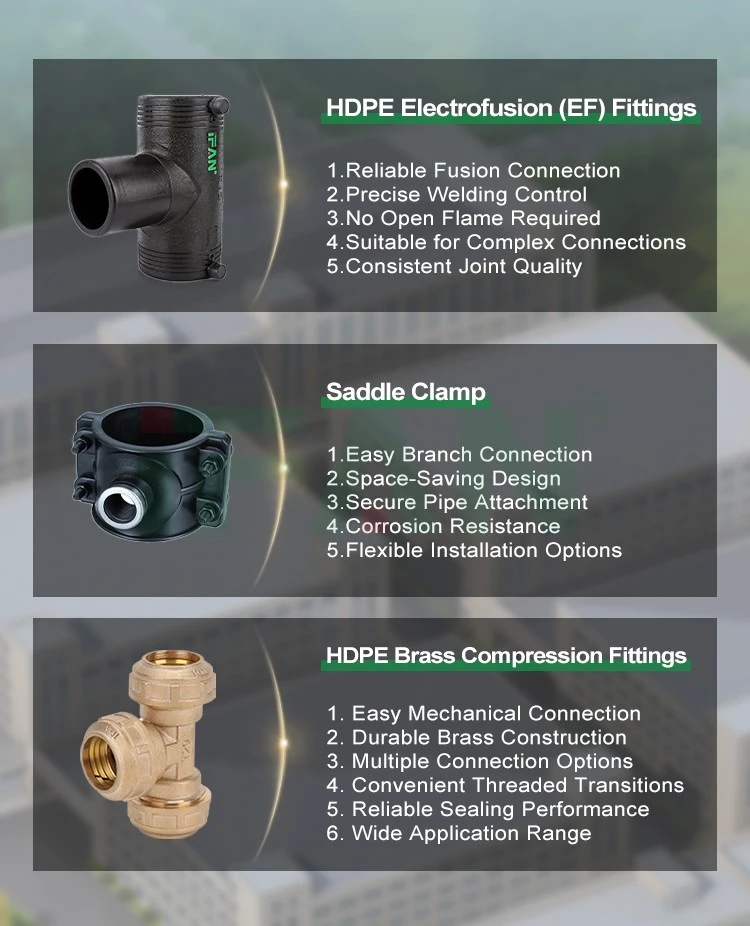

Corrosion Resistance Benefits Of HDPE Electrofusion Fitting
Oct 27, 2026

| Product Name | HDPE Electrofusion Fitting |
| Size | 50-630mm |
| Color | Black Color Or Customized |
| Connection | Electrofusion |
| MOQ | 100PCS |
| Sample | Sample Free |
| Contact |
Understanding Corrosion Resistance in HDPE Pipeline Connections
Corrosion is a major consideration in pipeline engineering, particularly when pipes transport water, chemicals, wastewater, or fluids containing dissolved minerals. Metallic components may gradually deteriorate through chemical reactions with their surroundings, while aggressive soil conditions and moisture can accelerate corrosion in buried infrastructure. Selecting materials that can withstand these environments is therefore an important part of pipeline design.
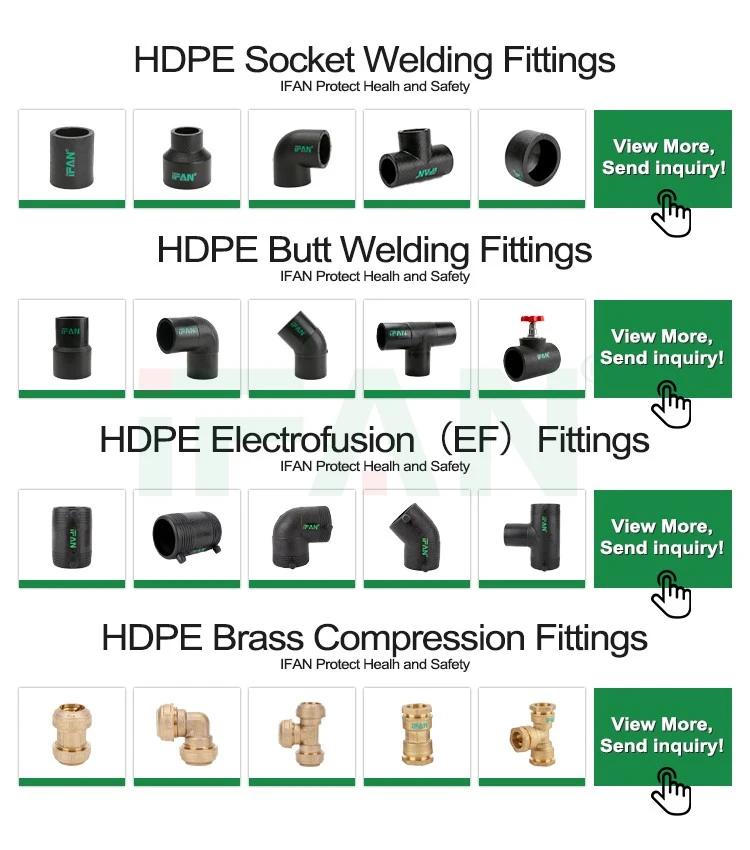
High-density polyethylene (HDPE) electrofusion fittings provide a joining solution for compatible polyethylene piping systems. Unlike conventional metal fittings, HDPE components do not undergo the typical electrochemical corrosion associated with iron and steel. Their polymer structure offers resistance to many substances commonly encountered in water distribution, drainage, and industrial fluid transportation.
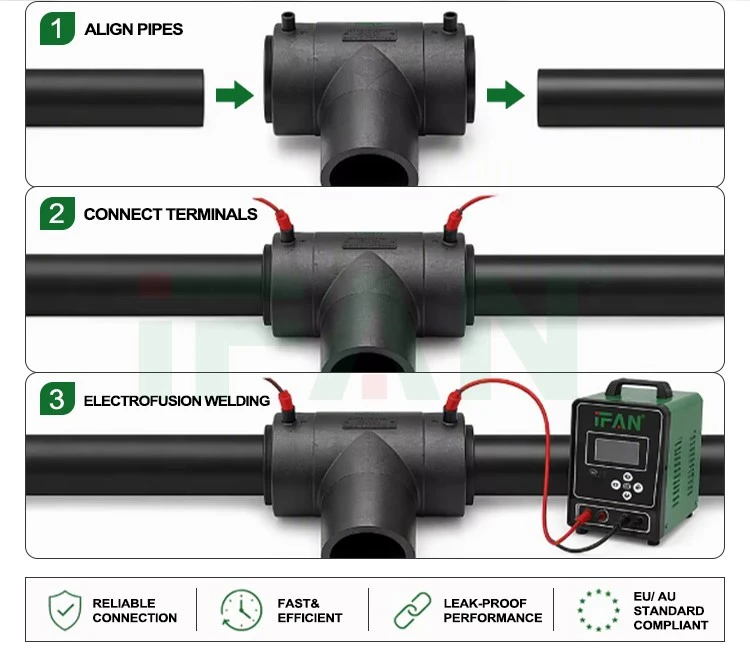
Electrofusion technology also creates a fused connection between the fitting and pipe rather than relying exclusively on exposed metallic fasteners or separate mechanical sealing components. When the joining process is completed correctly, the resulting interface forms an integrated polyethylene connection.
However, corrosion resistance does not mean unlimited chemical compatibility. Strong oxidizing chemicals, elevated temperatures, and particular process conditions can affect polyethylene. Understanding the material's operating limits and the surrounding environment is essential when specifying HDPE electrofusion fittings for long-term pipeline service.
Resistance to Soil Corrosion in Buried Pipelines
Underground pipelines are exposed to a range of environmental conditions, including moisture, changing soil chemistry, dissolved salts, and variations in acidity. These conditions can contribute to corrosion in metal piping systems, especially where protective coatings are damaged or soil conditions are particularly aggressive.
HDPE electrofusion fittings are not susceptible to the conventional rusting process that affects carbon steel. Their polymer construction does not rely on a metallic surface remaining protected from oxygen and moisture. Consequently, buried polyethylene connections can operate in many soil environments without requiring the same corrosion-control measures used for exposed metallic components.
This characteristic is relevant to municipal water networks, underground service connections, irrigation systems, and industrial drainage installations. In these applications, the fitting and adjoining pipe are often surrounded by soil for extended periods, making material selection an important part of the overall design.
Nevertheless, underground installation still requires attention to external loading, ground movement, installation damage, and compatibility with the transported medium. The soil environment should be assessed alongside the pipeline's pressure and temperature requirements. Proper bedding, backfilling, and joint installation remain essential to maintaining the integrity of the buried connection.
Performance in Water Distribution Systems
Water distribution networks may carry water containing dissolved minerals, salts, and other naturally occurring substances. Depending on water chemistry, metallic components can experience corrosion, scale formation, or localized deterioration. These processes may affect internal surfaces and influence the condition of pipe connections.
HDPE electrofusion fittings provide a non-metallic connection option for compatible polyethylene water pipelines. Because the fitting body is made from polyethylene, it does not develop iron oxide rust in the way that an unprotected steel component can. This is particularly relevant in networks where corrosion resistance is an important material-selection criterion.
The fusion process joins the prepared pipe surface to the fitting's internal surface through controlled heating. When the materials are compatible and the procedure is performed correctly, the joint creates a continuous polymer interface without requiring a conventional metal coupling at the fusion zone.
For drinking water applications, engineers should verify that the fitting and all relevant materials comply with the applicable potable-water requirements. Water chemistry, disinfectant concentration, operating temperature, and pressure conditions must also be considered. Material suitability should be confirmed for the actual application rather than assumed from general corrosion resistance alone.
Compatibility With Industrial Chemicals
Industrial pipelines may transport process water, diluted acids, alkaline solutions, and other chemical mixtures. Metallic fittings can be vulnerable to chemical attack depending on the fluid composition, concentration, temperature, and exposure duration. Choosing a compatible polymer can help address these material-selection challenges.
HDPE has resistance to many common acids, alkalis, salts, and aqueous solutions. This makes HDPE electrofusion fittings suitable for certain chemical transfer and industrial processing applications where the operating conditions fall within the material's specified limits.
However, chemical resistance varies considerably between substances. Some strong oxidizing agents, hydrocarbons, solvents, or high-temperature chemicals may cause swelling, degradation, or changes in the mechanical properties of polyethylene. A fitting suitable for one chemical solution should not automatically be used for another, even when the two fluids appear similar.
Before installation, engineers should consult chemical compatibility data supplied by the manufacturer and evaluate the expected concentration, temperature, and pressure. Where the transported medium is hazardous, the complete pipeline design should also include appropriate containment, inspection, and operating procedures.
Preventing Corrosion-Related Weak Points at Joints
Pipeline connections deserve particular attention because they combine multiple components and may contain interfaces where material properties differ. In some metallic systems, joints, threaded sections, and connections between dissimilar metals can become locations where corrosion or leakage develops.
HDPE electrofusion fittings reduce dependence on conventional metallic joining components at the fused interface. The fitting and pipe are joined through the controlled melting and cooling of compatible polyethylene surfaces. This avoids creating a traditional metal-to-metal joint within the fusion zone.
The quality of the connection depends on preparation, alignment, heating parameters, and cooling conditions. Contamination or incorrect installation can prevent the polymer surfaces from fusing properly, creating a potential defect unrelated to corrosion itself.
For this reason, corrosion resistance should be considered alongside joint quality. Installers must remove the specified outer pipe layer, maintain clean fusion surfaces, use compatible equipment, and follow the manufacturer's procedures. Correctly completed fusion joints help maintain material continuity across the connection and reduce the need for exposed metallic joining elements at that location.
Maintaining Material Integrity Over Time
Although HDPE resists many forms of chemical corrosion, its performance is still influenced by environmental exposure and operating conditions. Ultraviolet radiation can affect unprotected material during prolonged outdoor storage, while excessive temperature or pressure may exceed the fitting's design limits. Mechanical damage and improper handling can also compromise the connection.
In buried systems, engineers should consider ground movement, settlement, point loading, and installation stresses. The flexibility of polyethylene allows it to accommodate certain forms of deformation, but this does not eliminate the need for correct trench preparation and pipe support.
Inspection practices should reflect the application and the consequences of failure. Pressure monitoring, examination of accessible connections, and appropriate system testing can help identify developing problems. Installation records should also document fitting specifications and fusion procedures so that maintenance teams can trace the components used in the pipeline.
Conclusion
HDPE electrofusion fittings provide corrosion resistance through the inherent properties of polyethylene and the formation of a fused connection with compatible HDPE pipe. Their suitability for buried water networks, drainage systems, and selected chemical applications depends on soil conditions, fluid compatibility, temperature, pressure, and installation quality. By evaluating these factors carefully and following approved fusion procedures, engineers can select pipeline connections that resist conventional corrosion while meeting the technical requirements of the intended service.