
UPVC Pipe Fittings in Swimming Pool Circulation Systems
Apr 25, 2025
Introduction to UPVC in Pool Circulation Systems
UPVC (Unplasticized Polyvinyl Chloride) pipe fittings have become a preferred choice for swimming pool circulation systems due to their durability, chemical resistance, and cost-effectiveness. These fittings are widely used in filtration, heating, and water distribution networks, ensuring efficient water flow with minimal maintenance. Unlike metal pipes, UPVC does not corrode when exposed to chlorinated or saltwater, making it ideal for long-term use in pool environments. Additionally, its smooth interior surface reduces friction loss, improving hydraulic efficiency while preventing scale buildup.
Advantages of UPVC Pipe Fittings for Pool Systems
UPVC pipe fittings offer several key benefits in swimming pool applications:
Corrosion Resistance: Unlike metal pipes, UPVC does not rust or degrade when exposed to chlorine, bromine, or saltwater.
Lightweight & Easy Installation: UPVC fittings are lighter than metal alternatives, reducing labor costs and installation time.
Chemical Stability: They resist degradation from pool chemicals, UV stabilizers, and temperature fluctuations.
Low Maintenance: The non-porous surface prevents biofilm growth, reducing the need for frequent cleaning.
Cost-Effective: UPVC systems are more affordable than stainless steel or copper while offering comparable longevity.
These advantages make UPVC a reliable choice for both residential and commercial pool circulation systems.

Common UPVC Fittings Used in Pool Circulation
Several types of UPVC pipe fittings are essential for pool water management:
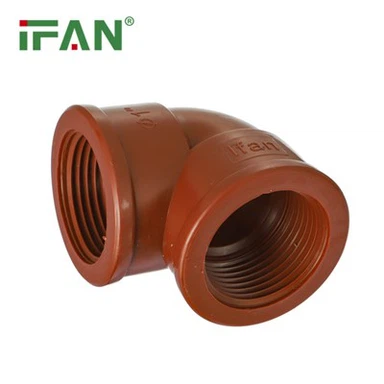
Elbows (45° & 90°): Used for directional changes in piping layouts.
Tees & Crosses: Allow for branching in filtration and return lines.
Couplings & Unions: Enable secure connections and easy disassembly for maintenance.
Valves & Adapters: Control water flow and connect different pipe sizes.
Solvent-Welded Joints: Provide leak-proof connections for pressurized systems.
These fittings ensure smooth water circulation from pumps to filters, heaters, and return jets, maintaining optimal pool hygiene and performance.
Design Considerations for UPVC Pool Piping
Proper design is crucial for maximizing efficiency and longevity:
Pipe Sizing: Correct diameter selection prevents excessive pressure loss and ensures proper flow rates.
Chemical Compatibility: UPVC must be rated for chlorine and other sanitizers to avoid premature failure.
Thermal Expansion: Expansion joints should be included to accommodate temperature changes.
UV Protection: If exposed to sunlight, UV-stabilized UPVC should be used to prevent brittleness.
Pressure Ratings: Fittings must withstand pump pressures, typically 10-16 bar for commercial pools.
A well-designed UPVC circulation system minimizes energy consumption while maintaining water clarity and hygiene.

Maintenance and Longevity of UPVC Pool Systems
UPVC pipe fittings require minimal maintenance but benefit from periodic inspections:
Leak Checks: Solvent-welded joints should be inspected annually for cracks or leaks.
Chemical Exposure Monitoring: High chlorine concentrations may require reinforced fittings.
Debris Prevention: Strainers and filters should be maintained to avoid clogging.
Winterization: In cold climates, systems should be drained to prevent freezing damage.
With proper installation and care, UPVC pool circulation systems can last 20-30 years, making them a sustainable and economical choice for pool owners and operators.
Conclusion
UPVC pipe fittings play a vital role in modern swimming pool circulation systems, offering durability, chemical resistance, and cost savings compared to traditional materials. Their lightweight nature, ease of installation, and low maintenance requirements make them ideal for both residential and commercial pools. By selecting the right fittings and following best practices in design and maintenance, pool operators can ensure efficient water circulation, reduced energy costs, and long-term reliability. As pool technology evolves, UPVC remains a trusted solution for sustainable water management.
Click here to watch more videos