
Are HDPE Pipe Fittings Suitable For Industrial Applications?
May 28, 2026

|
Product Name |
HDPE Pipe Fitting |
|
Color |
Blue Color |
|
Size |
20-110mm |
|
Brand |
IFAN or Customized |
|
OEM |
Support |
|
Sample |
Free |
|
Experience |
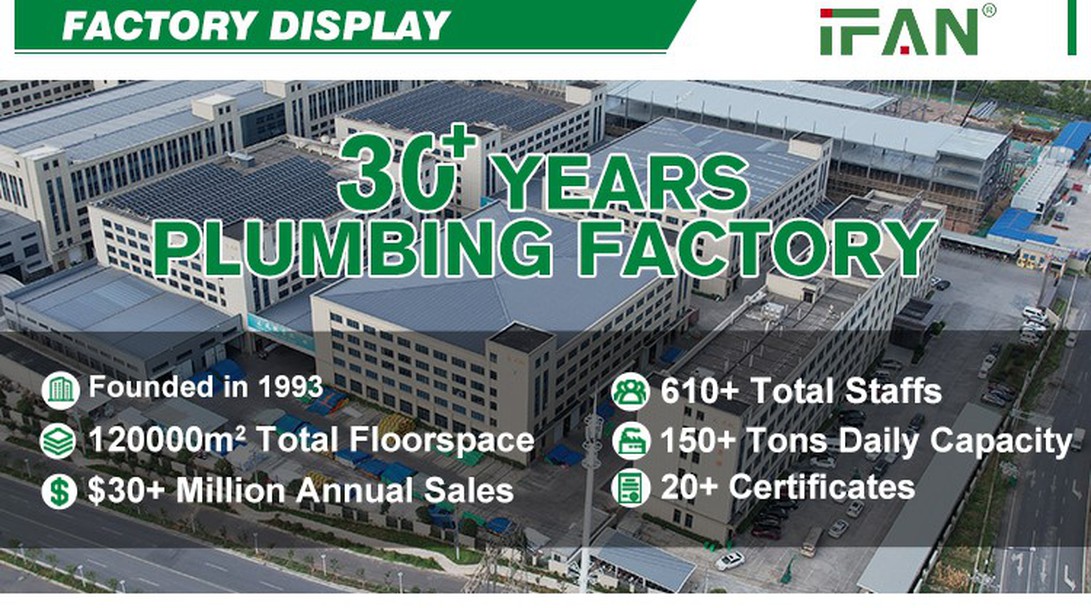
30+Years |
|
Contact Us |
Welcome to contact IFAN, we are online 24 hours a day to answer your questions!
Introduction to HDPE Pipe Fittings
HDPE (High-Density Polyethylene) pipe fittings are widely used components in modern piping systems that connect and control the flow of liquids and gases. In industrial environments, where conditions can be harsh and performance demands are high, the choice of piping material is critical. Industries such as chemical processing, mining, wastewater treatment, and manufacturing require systems that can withstand pressure, corrosion, and continuous operation. HDPE pipe fittings have become increasingly popular in these sectors due to their strength, flexibility, and long service life. Evaluating whether they are suitable for industrial applications requires a closer look at their performance characteristics and limitations.
Chemical Resistance in Industrial Environments
One of the most important reasons HDPE pipe fittings are suitable for industrial use is their excellent chemical resistance. Many industrial processes involve transporting corrosive substances such as acids, alkalis, and chemical solutions. Traditional metal fittings often corrode or degrade when exposed to such materials, leading to system failure and high maintenance costs. HDPE, however, is chemically inert and does not react with most industrial chemicals. This makes it highly reliable in environments such as chemical plants, laboratories, and wastewater treatment facilities, where exposure to aggressive substances is frequent and unavoidable.
Pressure Handling and Structural Strength
Industrial piping systems often operate under varying and sometimes high pressure conditions. HDPE pipe fittings are designed to handle these pressures effectively when properly selected according to pressure ratings (such as PN classes). The material's flexibility allows it to absorb pressure fluctuations and water hammer effects without cracking or breaking. Unlike rigid materials that may fail under sudden stress, HDPE distributes pressure more evenly across the system. This structural behavior enhances safety and reliability, making it suitable for many industrial fluid transport applications.
Heat Resistance and Operational Limits
While HDPE pipe fittings perform well in many industrial environments, temperature is an important factor to consider. HDPE is generally suitable for low to moderate temperature applications, typically up to around 60°C for continuous operation, with short-term tolerance slightly higher. In industries where extremely high temperatures are present, HDPE may not be the ideal choice compared to materials like steel or specialized alloys. However, in industries such as mining slurry transport, water treatment, and chemical handling at moderate temperatures, HDPE performs reliably and safely within its operating range.
Leak-Free Fusion Joint Technology
One of the key advantages of HDPE pipe fittings in industrial applications is their fusion-based jointing system. Through butt fusion or electrofusion methods, fittings are permanently welded to pipes, creating a seamless and homogeneous structure. This eliminates the need for mechanical seals, gaskets, or threaded connections that are prone to leakage over time. In industrial settings where system reliability is critical, leak prevention significantly improves safety and reduces product loss. The integrity of fusion joints also ensures long-term stability under pressure and vibration.
Durability in Harsh Operating Conditions
Industrial environments can expose piping systems to abrasion, vibration, ground movement, and chemical exposure. HDPE pipe fittings are highly resistant to these conditions due to their toughness and flexibility. In applications such as mining or slurry transport, where abrasive materials flow through pipelines, HDPE performs better than many traditional materials because it resists wear and impact damage. Its ability to withstand environmental stress without cracking or corroding contributes to reduced downtime and longer operational life.
Cost Efficiency and Maintenance Advantages
From an industrial perspective, cost efficiency is a major factor in material selection. HDPE pipe fittings offer significant long-term savings due to their low maintenance requirements and long service life. Because they do not corrode or scale internally, they require fewer inspections and repairs compared to metal systems. Additionally, their lightweight nature reduces transportation and installation costs. Over time, these advantages translate into lower total lifecycle costs, which is especially important for large-scale industrial operations.
Environmental and Operational Benefits
Modern industries are increasingly focused on sustainability and energy efficiency. HDPE pipe fittings support these goals in several ways. Their smooth internal surface reduces friction, improving flow efficiency and lowering energy consumption in pumping systems. Their long lifespan reduces material waste, and HDPE is also recyclable under appropriate conditions. Furthermore, reduced leakage helps prevent environmental contamination, which is critical in industries handling water, chemicals, or wastewater. These benefits make HDPE a more environmentally responsible choice compared to many traditional materials.