
How Do HDPE Pipe Fittings Improve Pipeline Efficiency?
May 28, 2026

|
Product Name |
HDPE Pipe Fitting |
|
Color |
Blue Color |
|
Size |
20-110mm |
|
Brand |
IFAN or Customized |
|
OEM |
Support |
|
Sample |
Free |
|
Experience |
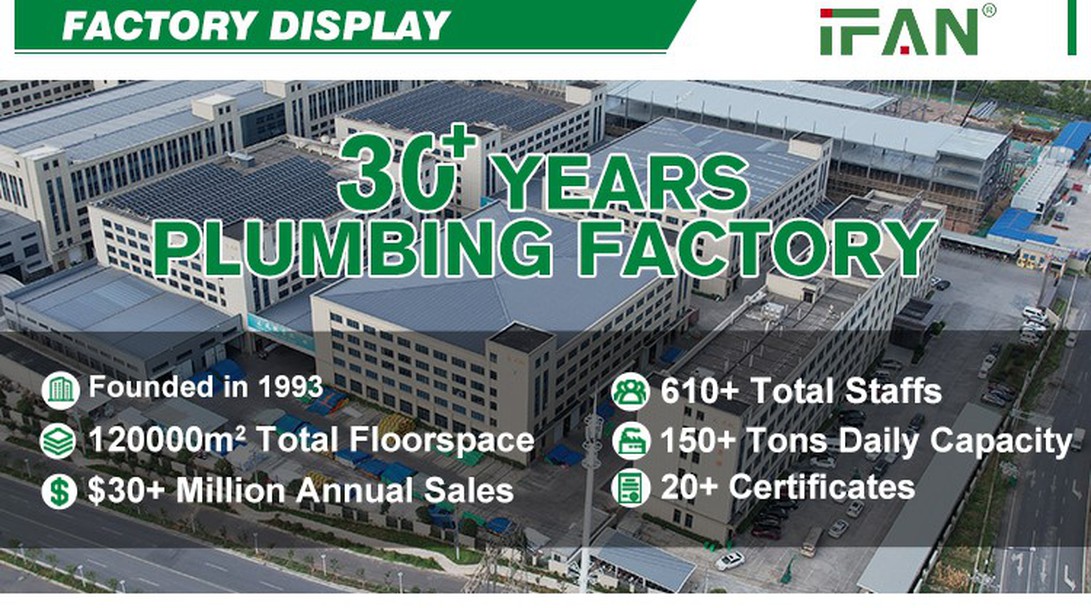
30+Years |
|
Contact Us |
Welcome to contact IFAN, we are online 24 hours a day to answer your questions!
Introduction to HDPE Pipe Fittings
HDPE (High-Density Polyethylene) pipe fittings are essential components in modern pipeline systems used for water supply, gas distribution, irrigation, and industrial fluid transport. These fittings-such as elbows, tees, reducers, and couplings-connect HDPE pipes and ensure smooth and controlled flow throughout the system. Pipeline efficiency is a key concern in engineering, as it directly affects energy consumption, flow performance, maintenance needs, and overall system lifespan. HDPE pipe fittings have gained widespread use because they improve nearly every aspect of pipeline efficiency, from hydraulic performance to long-term operational stability.
Smooth Internal Surface and Reduced Friction Loss
One of the primary ways HDPE pipe fittings improve pipeline efficiency is through their extremely smooth internal surface. Unlike metal pipes, which may corrode or develop scaling over time, HDPE maintains a consistent, smooth interior. This reduces friction between the fluid and the pipe wall, allowing water or other media to flow more freely. Lower friction loss means less energy is required to pump fluids through the system. As a result, pumping stations operate more efficiently, leading to reduced energy consumption and lower operational costs over the life of the pipeline.
Leak-Free Fusion Joints
Pipeline efficiency is often reduced by leaks at connection points, especially in systems using mechanical joints or gaskets. HDPE pipe fittings address this issue through heat fusion technology, including butt fusion and electrofusion methods. These processes create a seamless, homogeneous connection that is as strong as the pipe itself. Because there are no gaps, seals, or threaded connections that can loosen over time, the risk of leakage is significantly reduced. This improves not only water conservation but also system pressure stability, ensuring that the pipeline operates at optimal efficiency without losses caused by escaping fluid.
Hydraulic Efficiency and Flow Stability
HDPE pipe fittings contribute to improved hydraulic efficiency by maintaining consistent internal diameter and smooth flow transitions between pipeline sections. Poorly designed or rough fittings can create turbulence, pressure drops, and flow disruptions. In contrast, HDPE fittings are engineered to support streamlined flow paths that minimize turbulence. This stability helps maintain consistent flow rates across long distances, which is especially important in municipal water distribution and industrial applications. Improved hydraulic performance translates directly into more predictable and efficient system operation.
Flexibility and Reduced Energy Loss from Stress
Another factor that enhances pipeline efficiency is the flexibility of HDPE material. Unlike rigid piping systems, HDPE can absorb pressure fluctuations, ground movement, and vibration without cracking or structural damage. This flexibility reduces the occurrence of micro-stresses that can accumulate in rigid systems and lead to inefficiencies or failures. By adapting to environmental changes, HDPE pipe fittings help maintain stable flow conditions and reduce energy losses associated with mechanical stress and system instability.
Reduced Maintenance and Downtime
Pipeline efficiency is not only about flow performance but also about system availability. Frequent maintenance, repairs, or shutdowns can significantly reduce operational efficiency. HDPE pipe fittings are highly resistant to corrosion, scaling, and chemical damage, which greatly reduces the need for maintenance interventions. Since the material does not rust or degrade easily, systems remain operational for long periods without interruption. Fewer maintenance requirements mean less downtime, which directly improves the overall efficiency of pipeline operations in both industrial and municipal systems.
Long Service Life and Operational Stability
HDPE pipe fittings are designed for long-term durability, often exceeding 50 years of service life under proper operating conditions. This long lifespan ensures that pipeline systems remain stable and efficient over extended periods. Unlike metal systems that may require periodic replacement due to corrosion or fatigue, HDPE maintains consistent performance throughout its lifecycle. This stability reduces the need for system upgrades or replacements, allowing infrastructure operators to maximize return on investment while maintaining efficient operations.
Energy Efficiency in Pumping Systems
Energy consumption in pipeline systems is closely related to friction losses, leakage, and pressure instability. HDPE pipe fittings help reduce all of these factors, leading to improved energy efficiency in pumping systems. Because less energy is lost to friction and leakage, pumps do not need to work as hard to maintain desired flow rates. This results in lower electricity consumption and reduced operational costs. Over time, these energy savings can be significant, especially in large-scale water distribution or industrial systems.